

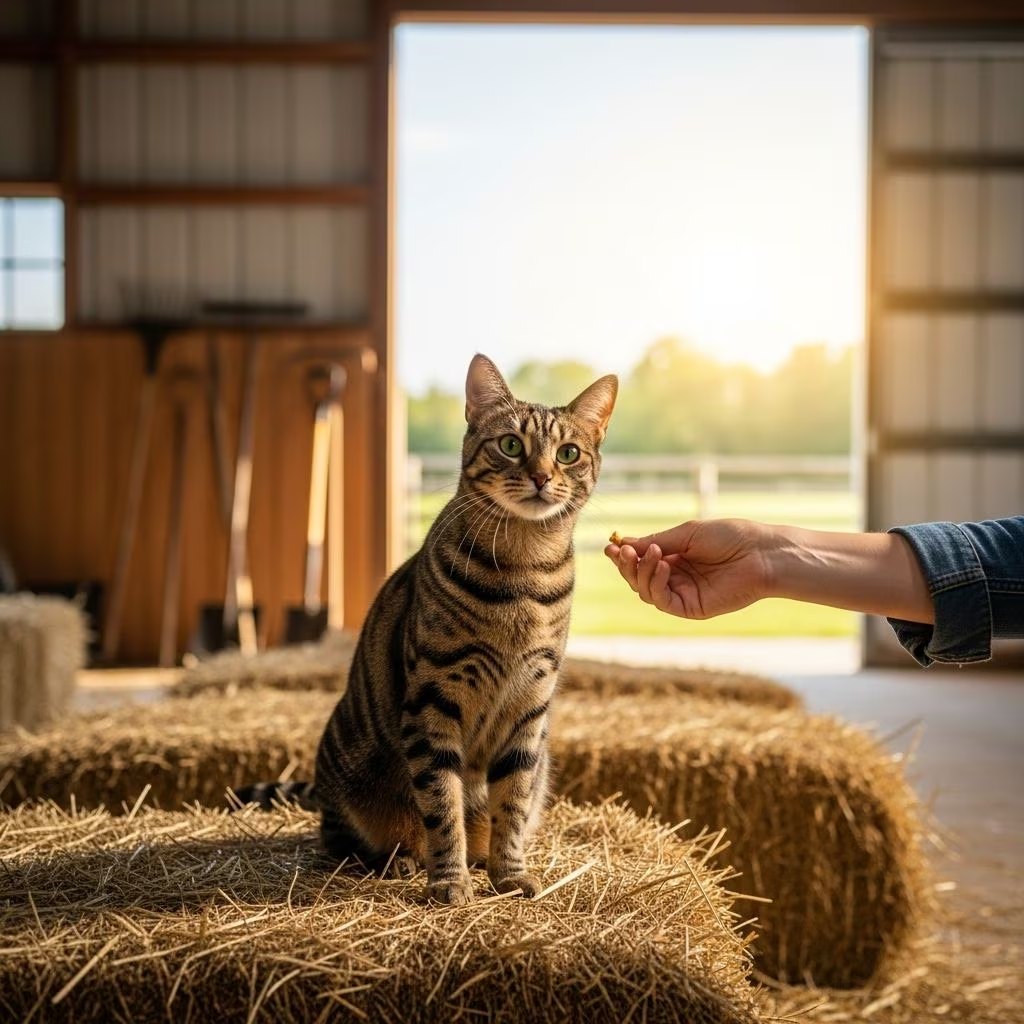
How to Train a Barn Cat: Complete Guide
Barn cats serve as invaluable assets on farms and homesteads, providing natural pest control while requiring minimal maintenance. However, successfully integrating a barn cat into your property requires patience, planning, and understanding of the proper acclimation process. Whether you’re adopting an adult cat or raising a kitten from a young age, following proven training methods will ensure your barn cat thrives and remains committed to its new home.
Understanding the Importance of Barn Cats
Barn cats are working animals that help control rodent populations naturally. Beyond their practical benefits, well-trained barn cats can become beloved parts of your farm or homestead. The key to success lies in recognizing that barn cats are not the same as house cats—they require specific training approaches tailored to their environment and role. Understanding this distinction is crucial before bringing a barn cat onto your property.
Many farmers and homesteaders have experienced remarkable success with barn cats when proper training protocols are implemented. The investment of time during the initial training phase pays significant dividends in the long-term behavior and loyalty of your barn cat.
Phase One: Creating a Safe Space and Establishing Routine
The first phase of barn cat training is perhaps the most critical. This phase establishes the foundation for all future behavior and bonding. Upon adopting your barn cat, you must confine it in a crate or cage for a period of 2 to 4 weeks. This might seem counterintuitive, but this confinement period serves a vital purpose: it teaches the cat that the barn is now its home and helps it become deeply attached to that specific location.
Setting Up the Acclimation Crate
The acclimation crate should be a good-sized enclosure, similar in dimensions to those used for large dogs. Inside the crate, include the following essential items:
- Fresh food and water available at all times
- A litter box for waste management
- A small cardboard box where the cat can play and hide
- Newspaper on the cage floor for comfort and easy cleaning
Cover the cage with a blanket, leaving one or two sides open so the cat doesn’t feel completely exposed. This covering creates a den-like atmosphere that helps anxious cats feel secure during their transition period. The goal is to make the crate feel like a safe sanctuary rather than a prison.
Establishing Initial Feeding Schedules
Feeding is your most powerful tool during the acclimation phase. Keep dry food available in the crate at all times, but also offer wet food twice daily in addition to the dry kibble. This dual-feeding approach serves multiple purposes: it ensures the cat maintains proper nutrition while also providing opportunities for bonding and trust-building.
The timing and consistency of these feedings cannot be overstated. Establish a feeding schedule and stick to it religiously. Cats thrive on predictability, and a consistent feeding routine during acclimation helps the cat understand that this new environment is safe and that you will provide for its needs.
Phase Two: Building Trust and Maintaining Routine
As your barn cat continues its confinement period, your focus should shift toward building a relationship based on trust and positive associations. This phase typically overlaps with the second and third weeks of the acclimation period.
Developing a Vocal Call System
During the acclimation phase, develop a specific voice signal or phrase that you will use consistently when offering wet food. Common choices include “Here kitty,” or any other call that feels natural to you. The key is consistency—use the exact same phrase every time you offer wet food. Over time, your barn cat will associate this vocal signal with something positive (food), and once released from the crate, it will come when you call using this phrase. This vocal conditioning is invaluable for managing your barn cat long-term, especially if you need to call it in during inclement weather or for emergency situations.
Bonding Through Communication
Spend quiet time talking to your barn cat during the acclimation phase. Use a calm, soothing voice and speak naturally to the cat. This auditory exposure helps the cat become familiar with your presence and voice. However, it’s crucial to respect the cat’s boundaries—do not attempt to pet or pick up a fearful cat during this phase. Forced handling will only increase anxiety and could result in scratches or bites that damage the trust you’re trying to build.
The goal of this phase is communication and bonding, not physical contact. Your presence, your voice, and your reliability in providing food are the cornerstones of trust development. Some cats will warm up quickly and approach you for attention, while others may take the full 4 weeks. Both responses are normal and acceptable.
Preparing for Release
Before releasing your barn cat from confinement, identify a safe hiding area near the crate location. When first released, your barn cat will likely run and hide—this is completely normal behavior. The cat has become comfortable in the crate during its 2-4 week stay and may find the larger environment initially overwhelming. Expect the cat to hide for a day or two before reappearing. Having a nearby hiding spot reduces stress and helps the transition go smoothly.
Phase Three: Release and Ongoing Care
After the 2-4 week confinement period is complete, open the crate door and allow your barn cat to emerge at its own pace. This is not a moment to rush. The cat may take considerable time to exit the crate because it has grown comfortable within this confined space. Patience during this moment sets the tone for successful integration into the barn environment.
Extended Transition Period
After your cat exits the crate, leave the crate in place for approximately one additional week. Continue to fill the dry food bowl and provide wet food twice daily in the crate. Maintain the same vocal signal you established during acclimation. This extended transition serves two purposes: it gives your cat a familiar anchor point during its exploration of the broader environment, and it keeps the cat returning to a specific location where you know it can be found.
During this week, your cat will begin exploring the barn and surrounding areas while still having a secure home base. This gradual expansion of territory is far more effective than abruptly releasing a cat into an unfamiliar environment.
Handling Escape Situations
Occasionally, a barn cat may escape from its crate before the designated release date. If this happens, do not panic. Set food and water out in accessible locations and place a blanket or other item that carries the cat’s scent from the crate. Escaped cats typically hide for a short time but usually remain on the premises. The familiar scents and available food encourage the escapee to stay close. Continue offering food and water to reinforce that the property is a safe place with reliable resources.
Special Considerations for Kittens
Training a kitten to be a barn cat offers distinct advantages over training an adult cat. Kittens are naturally more adaptable and have not yet developed strong preferences for specific environments. When you begin with a young kitten, the farm environment and all its associated animals will seem normal rather than intimidating.
Early Socialization with Farm Animals
When acclimating a kitten, move it around in its crate during the day so it can observe all the animals on your property. Make deliberate “introductions” to other farm animals—donkeys, chickens, goats, or whatever animals share your space. Repeated, positive exposure during the critical socialization period helps kittens grow comfortable with their larger and sometimes intimidating companions. A kitten that grows up around farm animals will view them as normal parts of its environment rather than threats.
Physical Exercise and Play
Kittens have substantially higher energy levels than adult cats. Even during the crate training phase, ensure your kitten receives plenty of exercise and play opportunities. A tired kitten is a well-behaved kitten. Provide toys, encourage play, and ensure the kitten stays active and engaged. This physical activity supports healthy development and reduces behavioral issues associated with boredom.
Health and Practical Management
Spaying and Neutering
Always spay or neuter your barn cat. This step is non-negotiable for successful barn cat management. Intact female cats will stray when in heat and will attract male cats to your property. Intact male cats are more likely to roam and fight. Many local animal shelters provide spay/neuter certificates that allow you to take your barn cat to local veterinarians at reduced or no cost. Spayed and neutered cats are healthier, less prone to disease, and better able to focus on their role as pest control rather than reproduction.
Continuous Feeding and Water
After your barn cat is released from its crate, continue providing regular meals and fresh water. These provisions serve multiple purposes: they keep your cat healthy and strong, they provide incentive for the cat to remain on your property, and they establish you as a reliable provider. Even if natural water sources exist on your farm, supplemental water ensures your cat stays hydrated. Consistent feeding also allows you to monitor your cat’s health and appetite, making it easier to detect illness or injury.
Creating Feeding Stations
Establish a dedicated feeding station for your barn cat, ideally near the barn or shelter area. Some successful barn cat keepers use igloos or other covered structures as feeding locations. Mark this location clearly and consistently so your cat knows exactly where to find meals. Having a defined feeding station also makes it easier for you to monitor consumption and ensures other farm animals don’t interfere with your cat’s nutrition.
Building a Successful Long-Term Relationship
The time and effort you invest during the training and acclimation phases directly correlate with long-term success. Barn cats that have been properly acclimated, bonded, and trained become loyal, effective working animals. Many trained barn cats display remarkable loyalty to their territory and caretakers.
Personality Development
Well-trained barn cats often develop distinct personalities and may display affection toward their human caretakers. Some barn cats are standoffish and more feral in temperament, while others become friendly and cuddly despite their working role. The difference often comes down to the time and attention invested during the training phase. Cats that receive consistent, positive interaction tend to be friendlier and more responsive to human interaction.
Maintaining the Bond
Continue using your established vocal signal and feeding routine throughout your barn cat’s life. This consistency reinforces the bond you’ve built and ensures the cat remains responsive to your calls. Regular, positive interaction helps maintain trust and keeps the cat invested in remaining on your property.
Frequently Asked Questions
Q: How long should I keep a barn cat confined during acclimation?
A: The standard acclimation period is 2 to 4 weeks. This timeframe allows the cat to become comfortable with its new home and establish it as their territory. Some cats may need closer to 4 weeks, while others may be ready after 2 weeks.
Q: Can I interact with my barn cat while it’s in the acclimation crate?
A: Yes, you should spend quiet time talking to your barn cat during acclimation. Use a calm voice and allow the cat to become familiar with your presence. However, avoid forcing physical contact if the cat is fearful or resistant, as this can damage trust.
Q: What should I do if my barn cat escapes from its crate early?
A: Don’t panic. Set out food, water, and items with the cat’s scent. Escaped cats typically hide briefly but remain on the property. Continue providing food and water to encourage the cat to stay nearby.
Q: Is it better to start with a kitten or an adult cat?
A: Kittens are generally easier to train because they adapt more readily to new environments and naturally view farm animals as normal. However, adult cats can be successfully trained with proper acclimation procedures.
Q: Should I spay or neuter my barn cat?
A: Absolutely. Spaying and neutering is essential for successful barn cat management. It prevents straying behavior and reduces fighting. Many shelters offer low-cost spay/neuter services with certificates.
Q: How do I keep my barn cat from leaving the property?
A: The initial crate training period teaches the cat that the barn is its home. Continue providing consistent food, water, and positive interaction. Use your established vocal signal for feeding, which reinforces the cat’s attachment to your property.
Q: Can barn cats become affectionate with humans?
A: Yes, many barn cats become friendly and affectionate when given consistent, positive interaction during their training phase. The amount of attention you invest during acclimation often determines the cat’s personality development.
References
- Barn Cat Acclimation Process — Shadow Cats TNR. Accessed January 15, 2026. https://shadowcatstnr.org/barn-cat-acclimation-process
- Barn Cat Protocols: Trapping 101 — Barn Cat Buddies. Accessed January 15, 2026. https://www.barncatbuddies.org/bcbprotocols
- How to Raise Barn Cats — Azure Farm Life. Accessed January 15, 2026. https://www.azurefarmlife.com/farm-blog/barn%20cats
- Barn Cats: Tips for Success — The Thrifty Homesteader. Accessed January 15, 2026. https://thriftyhomesteader.com/barn-cats/



