

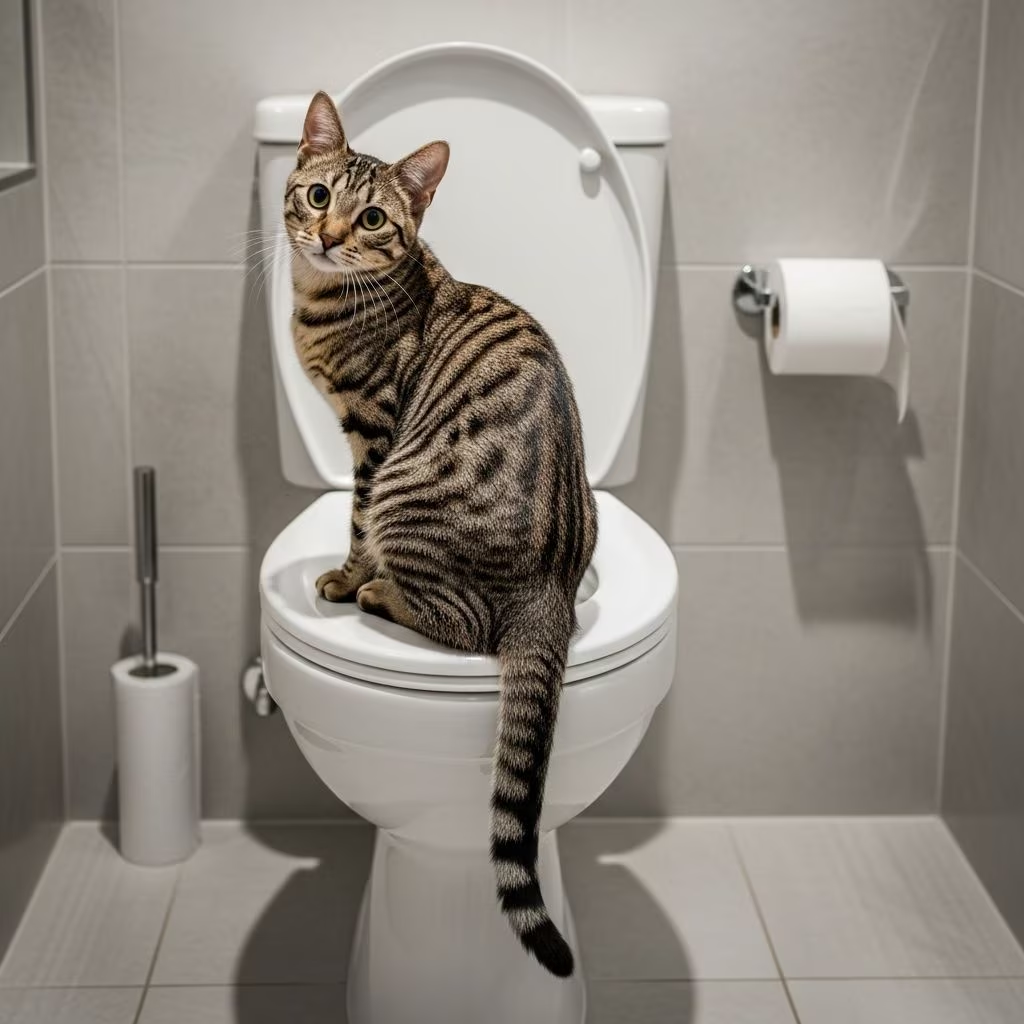
Toilet training cats offers a practical alternative to traditional litter boxes, promoting a cleaner home environment and reducing waste. This guide covers preparation, step-by-step processes, essential tips, potential challenges, and frequently asked questions to help you successfully train your feline friend.
Can Cats Be Toilet Trained?
Yes, cats can be trained to use the human toilet, though it requires patience, consistency, and the right tools. While natural instincts drive cats to dig and bury waste in litter, gradual training redirects this behaviour to the toilet. Commercial kits facilitate this transition by mimicking the litter box experience initially. However, not all cats adapt equally; younger, healthy adults over six months often succeed best.
Toilet training discourages natural scratching and covering behaviours, which some experts note can cause stress. Despite this, many owners report success, leading to mess-free homes and environmental benefits from less litter waste.
What Are Cat Toilet Training Kits?
Cat toilet training kits consist of stackable plastic trays or rings that fit over the toilet seat. These feature progressively larger central holes, starting with a solid tray filled with litter and advancing to an open rim. Popular kits include stages like red, amber, and green discs, allowing cats to balance on the toilet rim confidently.
Key components typically include:
- A base plate compatible with standard toilets.
- Multiple training discs with varying hole sizes.
- Flushable litter recommendations for safe disposal.
- Instruction manuals for phased progression.
These kits, such as the Litter Kwitter or CitiKitty, support a structured transition over weeks, reducing confusion and accidents.
Preparing for Toilet Training
Success begins with proper preparation. Assess your cat’s readiness and gather supplies to create a smooth process.
Assessing Suitability
Ideal candidates are cats over six months old, in good health, without mobility issues. Kittens under three weeks or elderly cats may struggle with balance and coordination. Consult a vet to rule out urinary or digestive problems that could mimic training resistance.
Necessary Supplies
Gather these essentials:
- Toilet training kit with progressive trays.
- Flushable, clumping cat litter safe for plumbing.
- High-value treats for positive reinforcement.
- Stable platforms (books, boxes) for litter box elevation.
- Enzyme cleaner for accidents.
Choose unscented litter initially to match familiar scents.
Step-by-Step Toilet Training Process
Follow these structured steps, advancing only when your cat consistently uses each stage. The process typically takes 4-8 weeks.
Step 1: Acclimation to Bathroom
Relocate the litter box near the toilet gradually over days or weeks. Allow your cat to use it comfortably in the new spot before proceeding. This prevents confusion and accidents elsewhere.
Step 2: Elevation
Raise the litter box incrementally to toilet height using secure stacks of newspapers, books, or platforms. Reduce litter depth slightly with each raise to about 1 inch. Secure the box to prevent slipping.
Step 3: Introduce Training Kit
Place the first kit tray (no hole) on the toilet seat filled with flushable litter. Encourage use after meals or naps. Praise and treat successes. Keep for 1-3 weeks until consistent.
Step 4: Gradual Litter Reduction and Hole Enlargement
Progress to trays with small holes, reducing litter amounts. Enlarge the hole progressively (e.g., 1 inch to full size). Cats learn to aim into the bowl. Transition fully when balanced on the rim without litter.
Step 5: Flushing and Finalization
Once using the open rim, flush after each use to acclimate to water sounds. Reward heavily. Remove all trays permanently.
Tips for Successful Toilet Training
Enhance success with these strategies:
- Positive Reinforcement: Treats, praise, and play immediately after correct use build associations.
- Consistency: Keep lid up, seat down; maintain routine.
- Cleanliness: Scoop or flush promptly; clean toilet regularly to attract use.
- Patience and Monitoring: Watch for stress; slow down if needed. Add catnip to litter for appeal.
- Multiple Cats: Train one at a time; provide interim litter access.
Troubleshooting Common Problems
Challenges arise; address them promptly to avoid setbacks.
| Problem | Causes | Solutions |
|---|---|---|
| Accidents Outside Toilet | Stress, incomplete transition, health issues | Revert one step; vet check; increase rewards |
| Refusal to Use Kit | Unfamiliar smell, balance fear | Sprinkle familiar litter; catnip; shorter sessions |
| Pooping on Floor | Larger waste harder to aim | Separate training for pee/poop; temporary dual litter |
| Flushing Anxiety | Water noise | Gradual exposure; flush post-use only |
| Regression | Household changes | Reintroduce early steps; maintain calm |
For persistent issues, consult a behaviourist. Health problems like UTIs require veterinary intervention first.
Benefits and Drawbacks of Toilet Training
Benefits:
- No litter mess, odours, or tracking.
- Eco-friendly: reduces landfill waste.
- Cost savings on litter over time.
- Cleaner for multi-cat homes.
Drawbacks:
- Suppresses natural digging instinct, potentially stressful.
- Plumbing risks if non-flushable litter used.
- Not ideal for all cats (seniors, special needs).
- Requires commitment; regression possible.
Frequently Asked Questions (FAQs)
Can all cats be toilet trained?
No, success varies by age, health, and temperament. Healthy adults adapt best; kittens or seniors may not.
How long does toilet training take?
Typically 4-12 weeks, depending on the cat. Patience is key.
What litter is best for training?
Flushable, clumping litters like those designed for toilets. Avoid clay-based for plumbing safety.
Should I teach my cat to flush?
No, it wastes water and can become obsessive. Flush manually after use.
What if my cat regresses?
Revert to previous successful stage, reinforce positively, and identify stressors.
Is toilet training better than litter boxes?
For some households, yes for cleanliness; others prefer litter for natural behaviours.
References
- How to toilet train a cat? – A Comprehensive Guide — Waggle. 2023. https://mywaggle.com/blogs/pet-behaviour/mastering-cat-toilet-training-a-comprehensive-guide
- Toilet Training a Cat – In 7 Easy Steps — Hartz. 2023. https://www.hartz.com/seven-steps-to-toilet-training-your-cat/
- Should You Train Your Cat to Use the Toilet? — Kinship. 2023. https://www.kinship.com/cat-behavior/train-cat-to-use-toilet



