
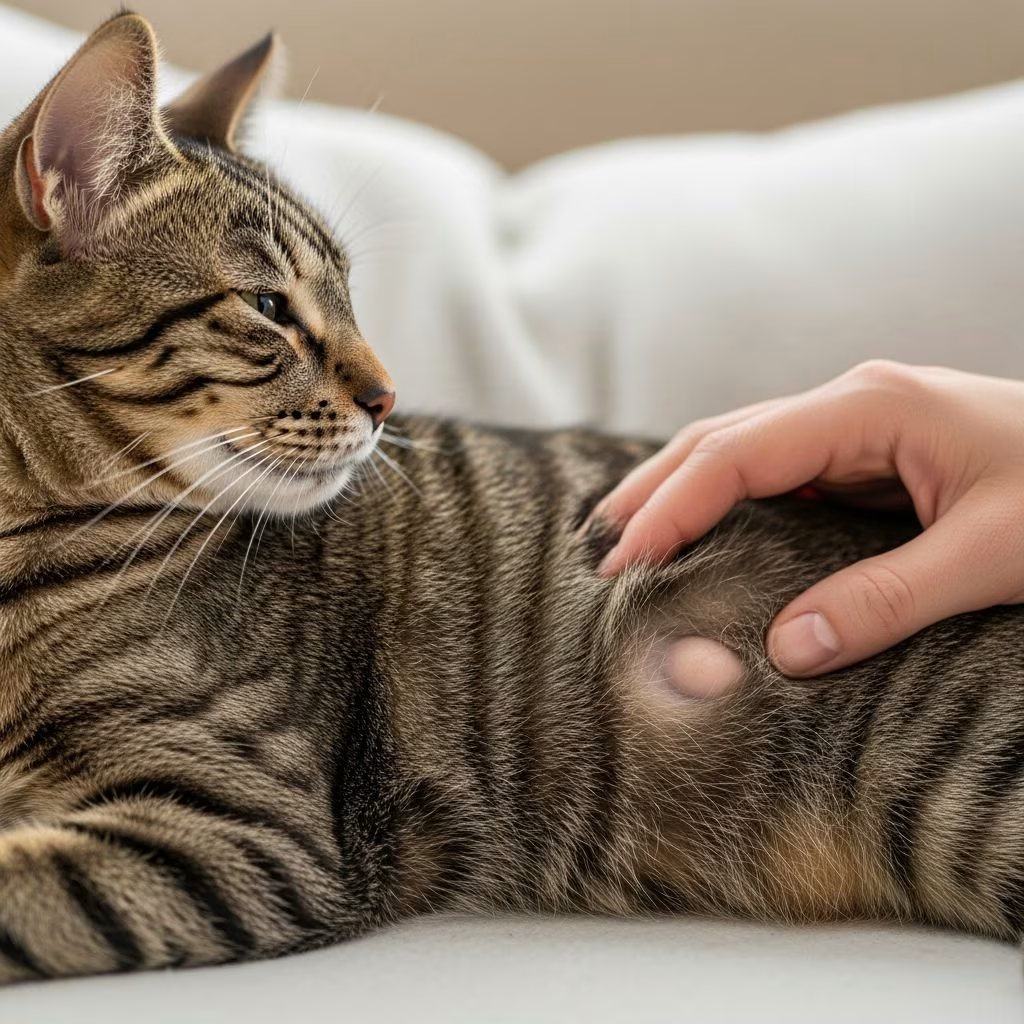
Determining whether a male cat is neutered (also called fixed or castrated) is important for owners, especially with rescue cats or those from unknown backgrounds. Neutering involves surgical removal of the testicles, preventing reproduction and altering behavior and health risks. This guide outlines physical, behavioral, and professional methods to check, along with recovery insights and benefits.
Why Knowing If Your Cat Is Neutered Matters
Neutering male cats around 4-6 months old is recommended by veterinarians to curb overpopulation, reduce health issues like testicular cancer, and minimize unwanted behaviors such as roaming or spraying. If unsure, identifying neuter status helps plan care, prevent accidents, and ensure vaccinations or boosters are up to date. Intact males produce testosterone-driven behaviors, while neutered ones typically calm down post-procedure.
Physical Signs: How to Check a Male Cat’s Testicles and Scars
The most direct way is a gentle physical exam. Calm your cat in a quiet room and part the fur in the scrotal area behind the penis.
- Missing or shrunken testicles: Neutered cats lack visible, walnut-sized testicles. Intact ones have two palpable testes. Sometimes post-neuter swelling mimics testicles, but it subsides in days.
- Scars or bald spots: Look for small (pea-sized) bilateral scars or hairless patches where incisions were made. These fade but are detectable.
- Scrotal sac appearance: In neutered cats, the empty sac may shrivel or remain loose; intact cats have full, hanging sacs.
Be cautious—some vets use a ‘closed’ technique leaving no scars. Avoid if cat is aggressive; consult a vet instead.
Behavioral Clues: Changes Before and After Neutering
Intact males exhibit testosterone-fueled actions that often cease post-neutering. Changes may appear immediately or weeks later, unaffected by age, breed, or environment.
- Roaming and aggression: Intact cats wander far, fight other males, risking injuries, FIV, or FeLV. Neutered cats stay home, fight less.
- Spraying and marking: Unneutered males spray strong-smelling urine to mark territory. Neutering reduces urine odor and spraying.
- Vocalizing and mating: Yowling, howling, or mounting objects/furniture stops post-neuter.
- Cleanliness: Neutered cats groom better; intact ones may have ‘stud tail’ from overactive glands.
Note: Hunting or play unrelated to hormones persists.
Male Cat Before Neutering: Common Intact Behaviors
Before neutering, males show:
- Frequent escapes to find mates.
- Aggressive postures toward other cats.
- Strong, pungent urine smell.
- Restlessness, especially at night.
These increase accident risks like car hits or abscesses from fights.
Male Cat After Neutering: Expected Behavior and Physical Changes
Post-procedure:
- Calmer demeanor within weeks.
- Reduced roaming, spraying, aggression.
- Less odorous urine and better grooming.
- Potential weight gain—monitor diet.
Benefits include longer lifespan and lower disease risk.
Recovery After Neutering: Timeline and Care Tips
Full recovery takes 7-14 days. Anesthesia causes initial effects resolving in 24-48 hours.
- Day 1-2: Lethargy, nausea, vomiting, no appetite normal. Offer water, bland food.
- Days 3-7: Limit activity—no jumping, stairs, outdoors. Confine to crate/room.
- Prevent licking: Use cone or suit if chewing incision.
Appetite returns in 24-48 hours; full healing in 7 days.
What to Watch For: Post-Neutering Complications
Monitor closely; call vet if symptoms persist beyond 48 hours or new issues arise.
| Symptom | Timeline to Worry | Action |
|---|---|---|
| Lethargy, vomiting, no appetite | >48 hours | Contact vet |
| No urination/defecation | >72 hours | Seek care |
| Incision: redness, swelling, pus, bleeding, open | Anytime after 24h | Immediate vet |
| Refusing food >24h, pale gums, diarrhea | Persistent | Urgent visit |
| Heavy breathing, hiding, whining, trembling | New onset | Call vet |
Some bleeding first 24 hours is okay.
Health Benefits of Neutering Male Cats
Neutering eliminates testicular cancer risk and lowers prostate issues. It prevents litters, reduces fight injuries, and promotes longer life.
- Prevents FIV/FeLV spread via bites.
- Cuts roaming accidents (e.g., cars).
- Decreases spraying aggression.
When to See a Vet: Confirming Neutered Status
If physical/behavioral checks are inconclusive, a vet exam or ultrasound confirms status quickly. Check for microchip or records too. Early neutering (pre-6 months) best.
Frequently Asked Questions (FAQs)
What are the first signs a male cat is neutered?
Missing testicles, small scars, calmer behavior, no spraying.
How soon after neutering do behaviors change?
Immediately to several weeks.
Is swelling normal after neutering?
Yes, temporary; resolves soon.
Can neutered cats still mate?
No, but learned behaviors may linger briefly.
What if I can’t feel testicles?
Likely neutered; vet confirms.
Conclusion
Combining physical exams, behavior observation, and vet input reliably tells if a male cat is fixed. Neutering enhances health and home life—consult your vet for advice.
References
- Cat Neutering and Behavior — VCA Animal Hospitals. 2023. https://vcahospitals.com/know-your-pet/cat-behavior-and-training-cat-neutering-and-behavior
- Your Male Cat Before & After Neutering: Behavior & Recovery — Washington Dog and Cat Hospital. 2024-07-30. https://www.washingtondogandcathospital.com/site/blog/2024/07/30/male-cat-before-after-neutering
- Male Cat Before & After Neutering: Behavior & Recovery — North Wake Animal Hospital. 2023-05-15. https://www.northwakeanimalhospital.com/site/blog/2023/05/15/male-cat-before-after-neutering
- Male Cat Neutering: Behavior & Recovery — Brodheads-ville Vet. 2023-04-15. https://www.brodheadsvillevet.com/site/blog/2023/04/15/male-cat-neutering-behavior-recovery
- Male Cat Before & After Neutering — South Sacramento Pet Hospital. 2022-08-15.

medha deb
Medha Deb is an editor with a master's degree in Applied Linguistics from the University of Hyderabad. She believes that her qualification has helped her develop a deep understanding of language and its application in various contexts. Medha specializes in the areas of beauty, health, sports, and wellness and is committed to ensuring that the content on the website is of the highest quality.Medha's passion for writing and editing began early in life when she joined a book writer's club with her mother. It was there that she discovered her love for the written word and the power it holds to inform, inspire, and transform lives. Since then, she has honed her skills as a writer and editor, working with a variety of clients and publications to produce compelling and informative content. Currently, she writes and edits for fluffyaffair.She is also an ardent animal lover and dedicates her time and resources to the foster care of neonatal kittens, providing them with the love and attention they need to thrive. Her commitment to animal welfare is a testament to her compassion and empathy, and it underscores her belief in the importance of caring for the most vulnerable members of our society. More articles →



