

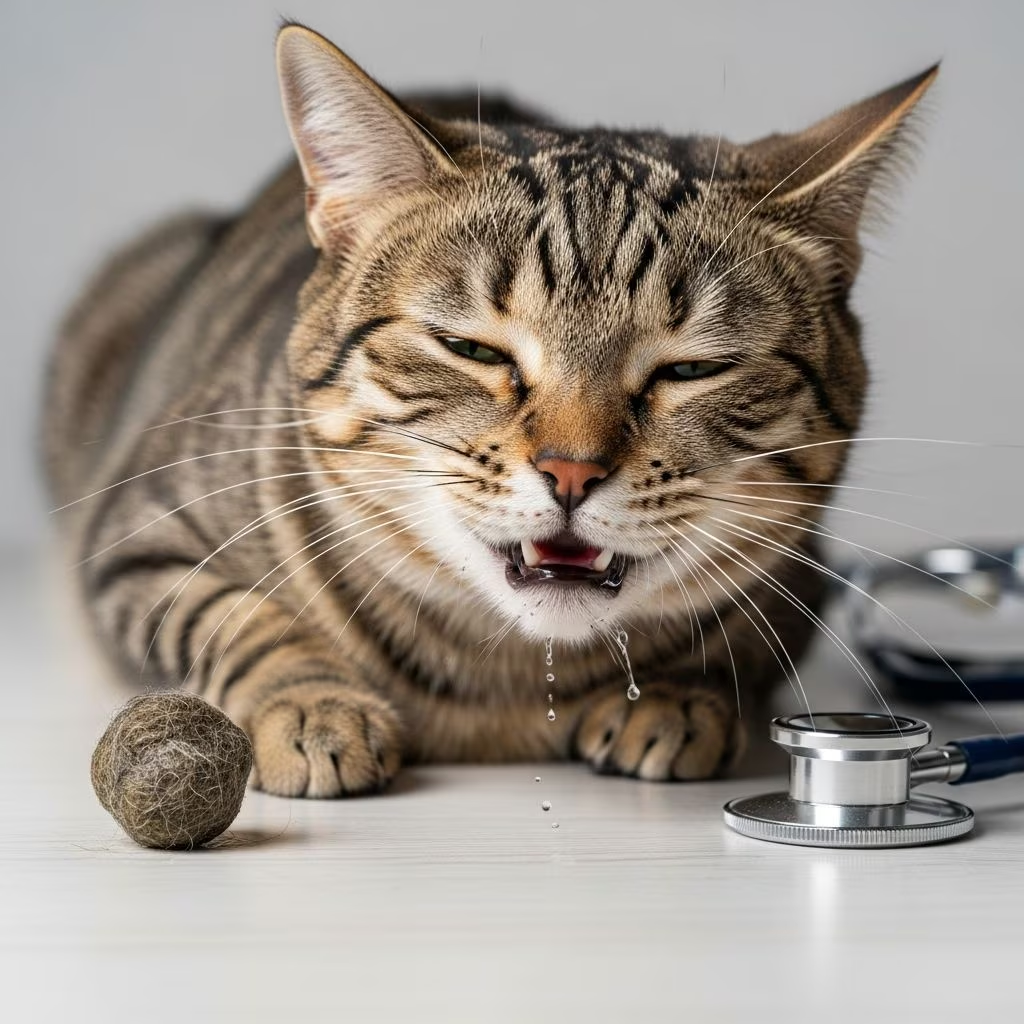
Seasoned cat owners often recognize the distinct “aaaackkkk” retch of a hairball from afar, but to novices, it might mimic a cough. Distinguishing these is crucial—hairballs are usually benign, while coughs can signal serious respiratory issues like asthma or infections. This comprehensive guide details sounds, body postures, causes, treatments, prevention, and when to seek veterinary care, empowering you to safeguard your cat’s health effectively.
How to Tell if Your Cat Has a Hairball
Hairballs form when cats groom excessively, ingesting fur that accumulates in the stomach. The body expels it via vomiting, producing characteristic signs rooted in gastrointestinal effort rather than respiratory distress.
The hallmark is a deep, throaty “ack aaaaaccckkk” sound originating from the diaphragm, accompanied by smooth, repetitive stomach contractions. Unlike coughing, there’s no trembling or jerky shaking; the motion is undulating, with the cat extending its neck, opening the mouth (tongue sometimes visible), and hunching its back.
- Sound: Prolonged, guttural retch from the gut, not raspy or explosive.
- Posture: Neck extended, back hunched, steady abdominal waves.
- Duration/Frequency: Typically resolves in 1-3 retches, producing a cylindrical hair mass in mucus.
- Aftermath: Cat appears normal post-expulsion; no ongoing distress.
Excessive grooming from skin issues or wounds heightens hairball risk. If no hairball emerges despite retching, suspect obstruction—symptoms include lethargy, appetite loss, or repeated unproductive attempts.
How to Tell if Your Cat Has a Cough
Coughs stem from airway or lung irritation, producing a harsh, short “hack! HACK!”—raspy and explosive, unlike the hairball’s deep retch. The chest and lungs drive this, often with no expulsion.
Body language differs markedly: expect jerky, whole-body shakes, muscle tension, and a snaking head/neck motion. Cats may swallow intermittently, tense up, and rarely produce anything beyond foamy saliva.
- Sound: Hoarse, hacking bursts from the throat/chest; may end in gagging.
- Posture: Head/neck extended rigidly, body hunched low, rapid side-to-side snaking.
- Duration/Frequency: Sharp, abrupt episodes; frequent recurrence without relief signals issues.
- Aftermath: Wheezing, open-mouth breathing, or lethargy may persist.
Video comparisons clarify: hairball retching is stomach-focused and rhythmic; coughs are airway-driven and erratic.
Hairball vs. Cough: Side-by-Side Comparison
Use this table for quick differentiation during episodes:
| Feature | Hairball | Cough |
|---|---|---|
| Origin | Stomach/GI tract | Airways/Lungs |
| Sound | Deep “aaaackkkk” retch | Raspy “hack! HACK!” |
| Motion | Smooth, repetitive contractions | Jerky, shaking, snaking |
| Expulsion | Hair tube in mucus | Nothing or foamy saliva |
| Frequency | Occasional (1-2/month) | Frequent (>1/week) |
| Associated Signs | Grooming excess | Wheeze, blue gums, dyspnea |
Causes & Treatments for Coughing in Cats
Coughs indicate underlying pathology; prompt diagnosis prevents escalation. Common culprits include:
- Respiratory Inflammation (Bronchitis/Asthma): Affects 1-5% of cats; chronic airway swelling from allergens (pollen, litter dust, cleaners) or irritants. Symptoms: recurrent coughs, wheezing, rapid breathing. Treatment: Inhaled corticosteroids/bronchodilators (e.g., Aerokat spacers); avoid triggers.
- Respiratory Infections (Cat Flu): Viral (feline herpes/calicivirus) or bacterial; causes cough, sneezing, nasal discharge, fever. Contagious; antibiotics for secondary infections, antivirals/supportive care.
- Allergies: Environmental (mold, smoke) or food-related; mimic asthma with sneezing/wheezing.
- Foreign Objects/Choking: Lodged items cause gagging/coughing; emergency tracheoscopy needed.
- Heart Disease (Congestive Heart Failure): Fluid buildup triggers cough, lethargy, appetite loss. Diuretics, cardiac meds.
- Other: Kennel cough (Bordetella from dogs), heartworms, pneumonia, tumors.
Veterinary workup involves exam, X-rays, bloodwork, or endoscopy. Never self-medicate—steroids/antibiotics require prescription.
Other Conditions That Mimic Hairballs
Beyond coughs, several issues imitate hairball retching:
- Esophageal Obstruction: Food/foreign material stuck; prolonged gagging, regurgitation, pain.
- Pneumonia/Lung Tumors: Coughing, fever, weight loss.
- Vomiting (Non-Hairball): Similar posture but produces food/bile; signals GI upset.
Differentiate via outcome: true hairballs yield fur; others don’t.
When to See a Vet
Hairballs 1-2 times monthly are normal; anything else warrants a check:
- Coughing >1/week without hairball.
- Wheezing, mouth breathing, blue gums (emergency!).
- Lethargy, anorexia, persistent retching.
- Sneezing/discharge combo.
- Kittens/seniors: higher risk.
Err on caution—early intervention saves lives.
How to Prevent Hairballs & Coughs
Proactive steps reduce both:
- Grooming: Brush 2-3x/week; malt paste or hairball diets (high fiber) lubricate passage.
- Diet: Wet food hydrates; avoid allergens.
- Environment: Dust-free litter, no smoke/cleaners; air purifiers for asthma.
- Vaccines: Core respiratory shots prevent infections.
- Monitoring: Video episodes for vet review.
Frequently Asked Questions (FAQs)
Q: How often are hairballs normal in cats?
A: 1-2 times per month; more suggests grooming issues or obstruction.
Q: Can coughs be mistaken for hairballs?
A: Yes, both involve extended neck/squatting, but coughs lack fur expulsion and recur frequently.
Q: Is feline asthma curable?
A: Manageable with meds/environment control, not curable; affects 1-5% of cats.
Q: What if my cat coughs but seems fine otherwise?
A: Still vet-check; silent progressors like heart disease lurk.
Q: Does breed affect hairball/cough risk?
A: Longhairs (Persians) prone to hairballs; no strong breed-cough link, but brachycephalics (flat-faced) have airway issues.
References
- How to Tell the Difference Between a Cat Hairball & Cough — Catster. 2023. https://www.catster.com/cat-health-care/how-to-tell-the-difference-between-cat-hairball-and-cough/
- Does My Cat Have Asthma or a Hairball? — Trudell Animal Health. 2023. https://trudellanimalhealth.com/blogs/blog/does-my-cat-have-asthma-or-a-hairball
- Coughing Cat: Hairball or More? — Bowman Veterinary Hospital. 2023. https://www.bowmanvet.com/blog/coughing-cat-hairball-or-more/
- Why Is My Cat Coughing? Emergency Signs & Fast Action Steps — GSVS. 2023. https://gsvs.org/blog/why-cat-coughing-emergency/
- Your Cat’s Cough: It’s Not a Furball — Physicians Mutual. 2023. https://www.physiciansmutual.com/web/community/article-title/your-cats-cough-its-not-a-furball
- Hairball Vs Cough Vs Vomit — River City Cat Clinic. 2023. https://www.rivercitycatclinic.com/hairball-cough-vomit-video.pml



