

How to Tell My Cat I Love Them: 10 Vet-Approved Ways
If you’ve ever wondered whether your cat knows how much you love them, you’re not alone. Many cat parents struggle to communicate affection in ways their feline companions truly understand. Cats can form strong social bonds and are remarkably good at interpreting signs of affection from humans, but they express and receive love differently than dogs or people. Rather than verbal declarations, cats respond to physical gestures, time investment, and behaviors that align with their natural communication style.
Understanding your cat’s unique language of love is key to strengthening your bond. By learning how cats naturally express affection—and mirroring those behaviors back—you can deepen your relationship in ways that genuinely resonate with your feline friend. Here are 10 proven ways to show your cat you love them.
1. The Love Blink: Exchange Kitty Kisses
One of the easiest and most powerful ways to tell your cat you love them costs nothing and takes just seconds. Cats show their love by maintaining easy eye contact with plenty of slow blinks, a behavior cat behaviorists call the “cat kiss.” When your cat looks at you with half-closed, sleepy eyes and delivers a series of slow blinks, they’re essentially saying “I love you” in feline language.
The slow blink works because it signals trust and comfort. A cat only relaxes their eyes like this around people and animals they feel safe with. You can reciprocate this affection immediately: when you catch your cat gazing at you, gaze back and slowly close your eyes before opening them again. Your cat will understand this gesture completely. This simple exchange reinforces your bond without requiring any physical contact, making it perfect for cats who prefer subtle shows of affection.
2. Share Physical Space and Cuddle Time
While some cats are independent, studies of cat behavior show that cats who are strongly bonded spend a lot of time together, often physically touching through grooming, sleeping, and playing. Sharing space with your cat—whether through cuddling on the couch, allowing them to sit on your lap, or sleeping in the same bed—communicates deep affection.
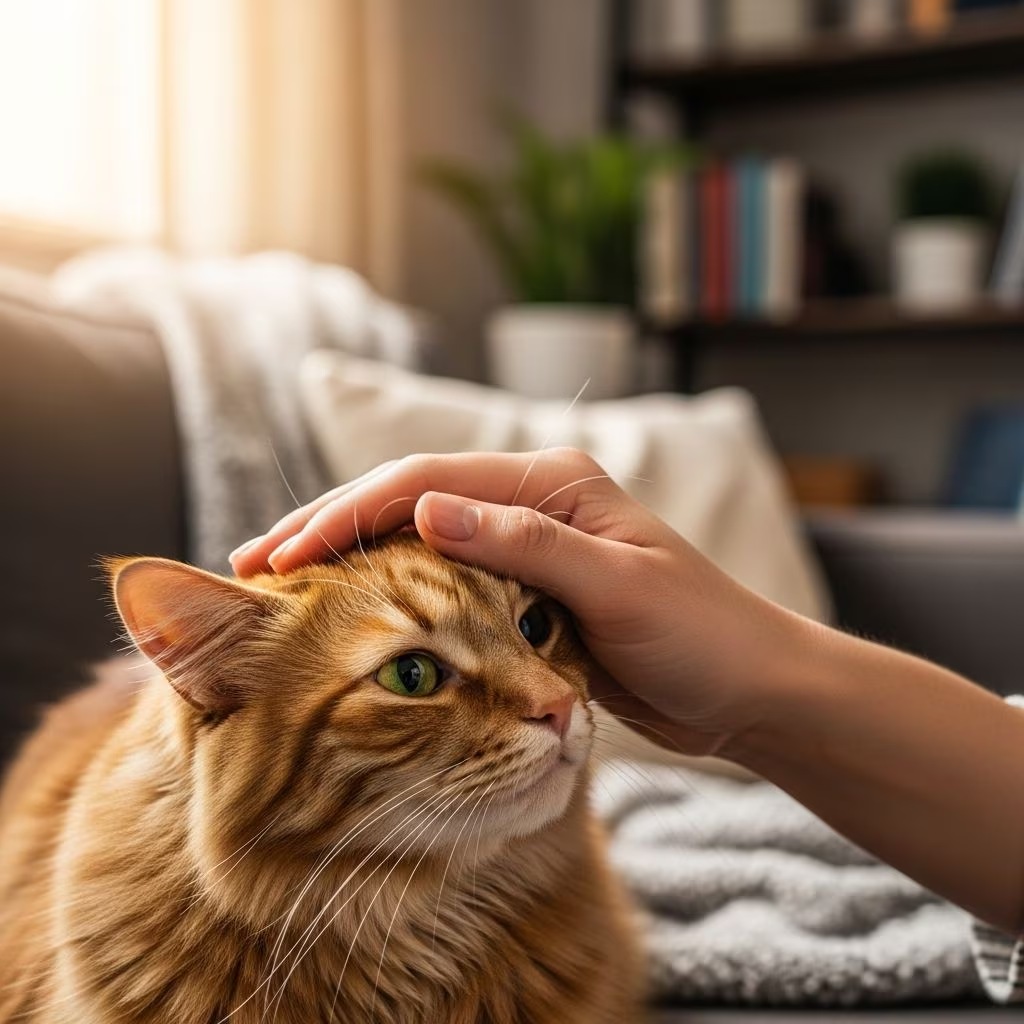
The key is respecting your cat’s comfort level. Not all cats enjoy extended cuddle sessions, but most appreciate having the option to be near you. Spending quiet time together while stroking and petting your cat strengthens your emotional connection while providing them with pleasurable tactile stimulation. Let your cat set the pace and duration of physical affection; allowing them to initiate contact shows respect for their boundaries.
3. Head Bunting and Facial Rubbing
When your cat rubs their head and face against your hand, arm, or leg, they’re engaging in a behavior called “head bunting.” This action releases pheromones from scent glands on your cat’s face, a chemical signature that marks you as part of their family unit. Allowing your cat to head butt you and rub their head and face against you releases pheromones that encourage feelings of love, comfort, and safety.
Reciprocate by gently rubbing your cheek against your cat’s head or allowing them to rub against your hand. You can also gently boop their nose with your own—a behavior called “nose booping” that cats use to exchange scents with loved ones. These behaviors reaffirm your status as a trusted family member in your cat’s mind.
4. Engage in Interactive Play Sessions
Play is one of the most important languages in feline communication. Playing with your cat is one of the best ways to show them love, as it provides mental stimulation, physical exercise, and bonding time. Regular play sessions demonstrate that you’re invested in your cat’s wellbeing and happiness.
Set aside dedicated time each day for interactive play using toys that appeal to your cat’s hunting instincts—feather wands, laser pointers, toy mice, or balls. These sessions should last 10-15 minutes and should be engaging enough to make your cat pounce, chase, and pounce again. The effort you invest in play shows your cat they’re worth your time and energy, which is how cats measure love.
5. Grooming: The Ultimate Act of Feline Affection
In cat colonies, grooming is how cats show deep bonds with one another. By grooming your cat—brushing their fur, gently combing their coat, or helping them maintain their appearance—you’re participating in one of the most intimate feline rituals. Grooming your cat is one of the best ways to show them love.
Use a soft brush or comb and focus on areas your cat enjoys, such as behind the ears, along the back, and under the chin. Many cats find grooming deeply soothing and will purr contentedly during these sessions. This activity serves double duty: it strengthens your bond while also maintaining your cat’s coat health and reducing shedding.
6. Offer Tasty Treats and Quality Nutrition
Food is a universal language of love across species. Offering tasty treats is one of the best ways to show your cat you love them. However, this goes beyond just giving random snacks; it means understanding your cat’s nutritional needs and preferences.
Choose high-quality cat food and treats that meet AAFCO (Association of American Feed Control Officials) standards. Occasional special treats—catnip toys, freeze-dried fish, or cat-safe herbs—show attentiveness to your cat’s desires. You can even make treat-giving a ritual, offering a small snack at the same time each day while making eye contact and offering slow blinks. This combines multiple love languages in one gesture.
7. Respect Their Need for Personal Space
Counterintuitively, one of the best ways to show your cat you love them is by giving them space. Cats are independent creatures who value solitude and control over their environment. If your cat has found a cozy spot to nap or hide, respecting that choice demonstrates that you love them enough to prioritize their comfort over your own desires for interaction.
This is especially important for cats recovering from stress or illness. Providing multiple quiet spaces throughout your home—cat beds, window perches, cat trees—shows you understand and respect your cat’s need for retreat and alone time. Leave plenty of comfortable spots in various locations so your cat can choose based on their mood and needs.
8. Use Positive Verbal Communication
While cats cannot understand human language literally, they are highly attuned to tone and inflection. Speaking to your cat in a warm, calm voice conveys affection and reassurance. Your cat can tell from your tone that you are happy and engaged, which reassures them that everything is right with the world.
Use a gentle, nurturing tone when greeting your cat, talking to them during play, or comforting them. Avoid harsh or loud tones that may startle or upset them. Many cats respond positively to being “talked to” by their humans, viewing it as a form of companionship and bonding.
9. Let Yourself Be Chosen
Cats show their love in mysterious ways, and they may engage in behaviors like head bunting, kneading with their claws, twining between your legs, or even presenting their rear end into your face. These are all genuine signs of love from your cat, even if they seem odd to humans.
The gesture of being chosen by your cat—when they approach you for attention, curl up next to you, or solicit your touch—is a profound expression of affection. Once you understand that these seemingly unusual behaviors are your cat’s way of showing love, you’ll find it much easier to tolerate and appreciate them. Accept these gifts of affection gracefully rather than pushing your cat away.
10. Create a Safe and Enriching Environment
Showing your cat you love them extends beyond direct interaction to creating an environment where they feel secure, stimulated, and cared for. This includes providing appropriate litter boxes, scratching posts, vertical spaces, and window perches where they can observe the outdoors.
Environmental enrichment demonstrates that you’ve invested thought into your cat’s quality of life. Interactive feeders, puzzle toys, and access to natural light show attentiveness to their physical and psychological needs. A cat in a safe, enriched environment with a trusted human knows they are loved.
Understanding Your Cat’s Individual Personality
While these 10 methods represent universal ways cats understand love, every cat has a unique personality. Some cats are affectionate lap warmers, while others prefer brief interactions punctuated by independence. Pay attention to how your individual cat responds to different expressions of affection and adjust your approach accordingly.
A shy cat might appreciate slow blinks and quiet presence more than vigorous play. An energetic cat might bond most deeply through interactive play sessions. By tailoring your expressions of love to your cat’s personality, you show the highest form of feline affection: understanding and respecting who they are.
Frequently Asked Questions
Q: How do I show my cat I love her?
A: Show your cat love by spending quality time together: cuddling, playing, and grooming. Allow them to sleep on or near you, engage in slow blink exchanges, and give them plenty of attention. Let your cat initiate contact sometimes to show they’re choosing to be with you.
Q: What is “I love you” in cat language?
A: In cat language, “I love you” is expressed through slow blinks, head bunting, rubbing their face on you, purring, and choosing to spend time near you. Cats also show love through kneading, slow approach, and relaxed body language.
Q: Do cats know they are loved?
A: Yes, cats can form strong social bonds and are good at interpreting signs of affection. Cats understand love through consistent care, play, grooming, physical touch, and the time you invest in them. Cats respond positively to being shown love in ways they naturally understand.
Q: How can I bond with a shy or hesitant cat?
A: With shy cats, move slowly and let them initiate contact. Use slow blinks from a distance, offer treats by hand, and create quiet spaces where they feel safe. Avoid forcing interaction and instead allow trust to build gradually through consistent, gentle presence.
Q: What should I avoid when showing my cat affection?
A: Avoid prolonged direct staring (which can make cats uncomfortable), forcing cuddles or handling, sudden loud noises, and ignoring your cat’s body language signals. Respect when your cat walks away and don’t interrupt them when they’re sleeping or in their safe space.
Q: Can multiple cats show love differently?
A: Absolutely. Each cat has a unique personality. Some are highly affectionate while others are more independent. Observe your individual cat’s preferences and adjust how you express love accordingly to what makes them most comfortable.
Conclusion: Speaking Your Cat’s Language of Love
Showing your cat you love them doesn’t require grand gestures or verbal declarations they cannot understand. Instead, it requires learning and speaking their language: slow blinks, physical touch, shared space, play, and respect for their boundaries. Cats are affectionate creatures who love to spend time with those they are close to and absolutely love receiving attention in return.
By implementing these 10 vet-approved methods, you’ll create a deeper, more meaningful bond with your feline companion. Whether through a simple slow blink across the room or a dedicated grooming session, every gesture communicates one message: “I love you, and you matter to me.” Your cat will understand—and return that love in their own mysterious, wonderful ways.
References
- 10 Ways To Show Your Cat You Love Them — Cats.com. 2024. https://cats.com/how-to-show-your-cat-you-love-her
- 10 Ways to Tell Your Cat YOU LOVE THEM (in a Language THEY Understand) — Feline Fanatics. September 19, 2025. https://www.youtube.com/watch?v=_h45lqOhgfE
- 7 Ways to Show Your Cat You Love Them — Cedarcide. 2024. https://cedarcide.com/blogs/guides/7-ways-to-show-your-cat-you-love-them



