

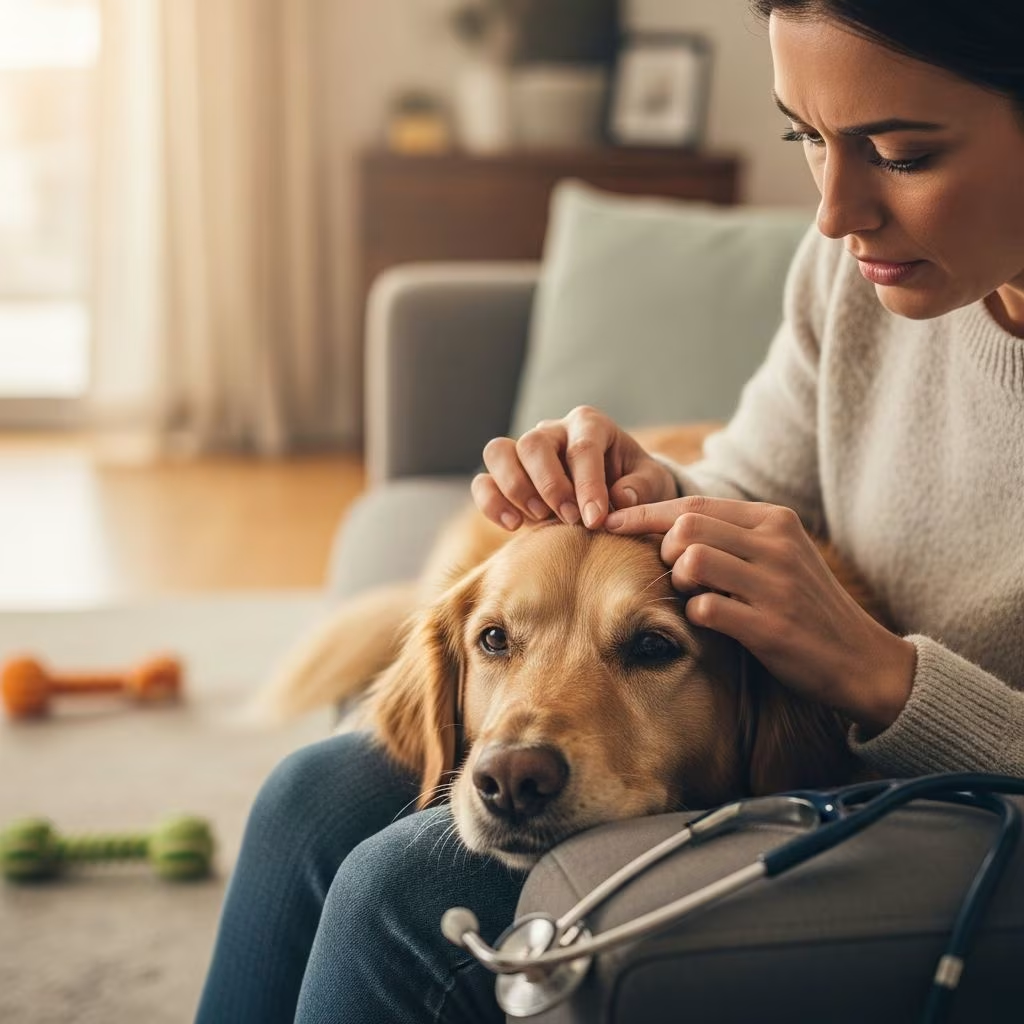
How to Tell If Your Dog Is Sick
As a pet parent, recognizing when your dog isn’t feeling well is one of the most important responsibilities you have. Dogs cannot verbally communicate their discomfort, which means you need to be observant and familiar with your dog’s normal behaviors, habits, and physical appearance. Understanding the common signs of illness can help you catch health problems early and ensure your furry friend receives the care they need promptly.
Understanding Your Dog’s Baseline Health
Before you can identify when something is wrong, it’s essential to know what “normal” looks like for your individual dog. Every dog has unique behaviors, energy levels, eating patterns, and bathroom habits. Pay attention to your dog’s typical daily routine, including how much they eat, how often they urinate and defecate, their activity level, and their general demeanor. This baseline knowledge allows you to spot deviations quickly and accurately. When you notice a significant change from your dog’s normal behavior or appearance, it’s time to investigate further.
Common Signs of Sickness in Dogs
There are several key indicators that your dog may be experiencing health issues. Familiarizing yourself with these signs can help you determine whether a vet visit is necessary.
1. Vomiting
Vomiting is one of the most noticeable signs that something may be wrong with your dog. While occasional vomiting can occur for benign reasons, persistent or frequent vomiting warrants a veterinary evaluation. Pay attention to the frequency, color, and consistency of the vomit. If your dog vomits multiple times in a short period, shows signs of blood in the vomit, or accompanies vomiting with other symptoms like lethargy or loss of appetite, seek veterinary care promptly.
2. Major Changes in Urination
Changes in your dog’s urination patterns can indicate underlying health problems. If your dog suddenly starts urinating significantly more or less frequently than usual, this could be a sign of various conditions, including urinary tract infections, diabetes, kidney disease, or hormonal imbalances. Additionally, if your dog has accidents in the house despite being housetrained, or if you notice changes in urine color or odor, these are important signals to discuss with your veterinarian.
3. Loss of Appetite
A healthy dog typically maintains a consistent appetite. If your dog suddenly loses interest in food or refuses meals they normally enjoy, this change should not be ignored. Loss of appetite can be associated with dental problems, gastrointestinal issues, infections, or more serious systemic diseases. If this behavior persists for more than a day or two, or if it’s accompanied by other symptoms, contact your vet.
4. Major Changes in Weight
Significant weight gain or weight loss over a short period can indicate health issues. While gradual weight changes may be normal as dogs age, sudden shifts warrant attention. Unexplained weight loss can suggest parasites, metabolic disorders, dental disease preventing normal eating, or systemic illnesses. Conversely, rapid weight gain combined with increased appetite or water consumption might point to conditions like hypothyroidism or Cushing’s disease.
5. Respiratory Problems
Coughing, wheezing, difficulty breathing, or shortness of breath are signs that your dog’s respiratory system needs evaluation. While occasional coughing can be normal, persistent coughing that lasts more than a few days should be assessed by a veterinarian. Coughing can result from various causes, including infections, allergies, heart disease, or collapsed trachea. Signs such as blue or purple discoloration of the lips or tongue, extreme shortness of breath, or coughing that won’t stop require immediate veterinary attention.
6. Changes in Energy Levels
A healthy dog maintains relatively steady energy levels appropriate for their age, breed, and individual personality. Some dogs are naturally more active, while others are laid-back, but whatever your dog’s baseline, significant deviations can signal problems. If your dog becomes unusually lethargic, shows reluctance to move, struggles during play with excessive panting or limping, or seems unable to perform activities they normally enjoy, this change merits veterinary evaluation. While senior dogs naturally slow down with age, a noticeable increase in sluggishness could indicate arthritis, metabolic issues, or other health concerns.
Behavioral Changes Indicating Illness
Beyond the physical symptoms mentioned above, behavioral changes often signal that your dog isn’t feeling well. If your typically happy and engaged dog suddenly appears depressed, anxious, or displays unusual aggression, these emotional shifts can reflect pain or illness. Dogs may also show signs of discomfort through subtle body language cues, such as keeping their tail tucked between their legs, flattening their ears, tensing their facial muscles, or keeping their eyes partially closed. Some dogs may pant excessively even while at rest when experiencing pain.
Changes in sleep patterns also warrant attention. If your dog who normally sleeps in certain locations suddenly chooses different spots, or if sleep patterns become disrupted, this could indicate discomfort or cognitive issues, particularly in senior dogs. Additionally, loss of interest in activities your dog normally enjoys—whether that’s walks, playtime, or social interaction—can be a red flag that something is amiss.
Digestive and Elimination Changes
Your dog’s digestive system and elimination habits can provide valuable clues about their overall health. While individual dogs have different baseline frequencies for bathroom breaks, your dog’s personal pattern should remain relatively consistent. Sudden increases or decreases in urination frequency, or changes in stool consistency and frequency, can indicate problems ranging from minor dietary issues to serious medical conditions.
If you notice that your dog’s stool has become consistently loose, contains blood, or appears abnormal in color or consistency, these changes should be discussed with your veterinarian. Similarly, if your dog strains excessively to defecate or appears to be in discomfort during elimination, veterinary evaluation is recommended.
Physical Signs to Monitor
Regular physical inspection of your dog can help you identify early signs of health problems. Check your dog’s eyes, ears, and nose regularly. While some discharge is normal, excessive or abnormal discharge from any of these areas can indicate infection or other issues. Examine your dog’s skin and coat for unusual odors, lumps, bumps, or areas of hair loss. While not every lump requires immediate concern, any rapidly growing mass or new growth should be evaluated by your veterinarian.
Pay attention to your dog’s body condition as well. You should be able to feel your dog’s ribs with gentle pressure, though they shouldn’t be visibly protruding. If you cannot feel the ribs without pressing hard, your dog may be overweight, which can lead to various health complications. Maintain an overall awareness of your dog’s appearance and feel, noting any changes in muscle tone, coat quality, or overall physical condition.
When to Contact Your Veterinarian Immediately
Some symptoms require urgent veterinary attention rather than waiting for a routine appointment. Seek immediate care if your dog experiences:
- Severe vomiting or vomiting that contains blood
- Inability to urinate or defecate
- Signs of severe pain or distress
- Difficulty breathing or severe respiratory distress
- Collapse or inability to stand
- Seizures or loss of consciousness
- Uncontrolled bleeding
- Suspected poisoning or toxic ingestion
- Trauma or severe injuries
- Excessive drooling or inability to swallow
When to Schedule a Regular Veterinary Visit
While some signs require emergency care, many symptoms warrant a regular veterinary appointment within a few days. Schedule a non-emergency visit if your dog exhibits mild symptoms that persist, such as occasional vomiting, loss of appetite lasting more than a day, subtle behavior changes, or mild lethargy. Your veterinarian can perform a thorough examination and potentially recommend diagnostic testing to identify underlying issues before they become serious.
The Importance of Veterinary Evaluation
It’s crucial to understand that many symptoms can indicate multiple possible conditions, ranging from minor to serious. While this guide helps you recognize when something might be wrong, only a qualified veterinarian can properly diagnose and treat your dog’s health issues. Veterinary professionals have the training, experience, and diagnostic tools necessary to identify problems accurately and recommend appropriate treatment.
Don’t hesitate to contact your veterinarian if you’re uncertain about whether a symptom requires professional evaluation. It’s always better to err on the side of caution when it comes to your dog’s health. Your vet can reassure you if the concern is minor or catch a serious problem early, potentially saving your dog’s life.
Building a Strong Relationship with Your Veterinarian
Having an established relationship with a trusted veterinarian is invaluable. Regular wellness exams, even when your dog appears healthy, help your vet establish a baseline and identify subtle changes early. During these visits, discuss any concerns you’ve noticed, ask questions about your dog’s specific health risks based on breed and age, and work together to create a health maintenance plan tailored to your dog’s individual needs.
Frequently Asked Questions
Q: How often should I take my dog to the veterinarian for check-ups?
A: Adult dogs typically benefit from annual wellness exams, while puppies and senior dogs (over 7 years old) may need visits every 6 months to catch age-related issues early.
Q: What should I do if my dog refuses to eat for one meal?
A: A single missed meal isn’t usually cause for alarm, but if your dog refuses food for more than 24 hours or shows other symptoms, contact your veterinarian.
Q: Is it normal for older dogs to sleep more and move around less?
A: While senior dogs do naturally slow down, a significant increase in lethargy should still be evaluated by a veterinarian, as it could indicate arthritis, metabolic issues, or other treatable conditions.
Q: What does healthy dog stool look like?
A: Healthy stool should be brown, well-formed, and consistent. Any dramatic changes in color, consistency, or frequency warrant a vet visit.
Q: Can I wait to see my vet if my dog is limping slightly?
A: If the limp is mild and your dog shows no other symptoms, you can schedule a regular appointment. However, severe limping, signs of pain, or inability to bear weight require prompt evaluation.
Q: How can I tell if my dog is in pain?
A: Signs of pain include reluctance to move, tucked tail, flattened ears, tense facial expressions, excessive panting, whining, or changes in normal behavior and sleep patterns.
References
- How to Tell If Your Dog Is Sick — Kinship. 2025. https://www.kinship.com/dog-health/how-to-tell-dog-sick
- 10 Signs Your Dog Is Healthy — Kinship. 2025. https://www.kinship.com/dog-health/signs-your-dog-is-healthy
- Canine Dementia: Causes, Signs, and Treatment — Kinship. 2025. https://www.kinship.com/dog-health/canine-dementia-signs-symptoms-treatments
- 6 Reasons Your Dog Is Coughing (and How to Treat Them Fast!) — Kinship. 2025. https://www.youtube.com/watch?v=DYINl8b1Xn4
- Behavioral Signs to Detect Disease in Pets: Validation Study — Animals Journal. 2021. https://www.veterinary-practice.com/2021/new-paper-published-in-animals-is-first-real-world-study-to-validate-accuracy-of-pet-behavioural-signs-to-detect-disease



