

Ticks are common parasites that latch onto dogs during outdoor activities, posing risks of painful bites and serious diseases. Early detection is crucial to prevent transmission of illnesses like Lyme disease, ehrlichiosis, and Rocky Mountain spotted fever, which can cause fever, lameness, and organ damage in dogs.
What Do Ticks Look Like on Dogs?
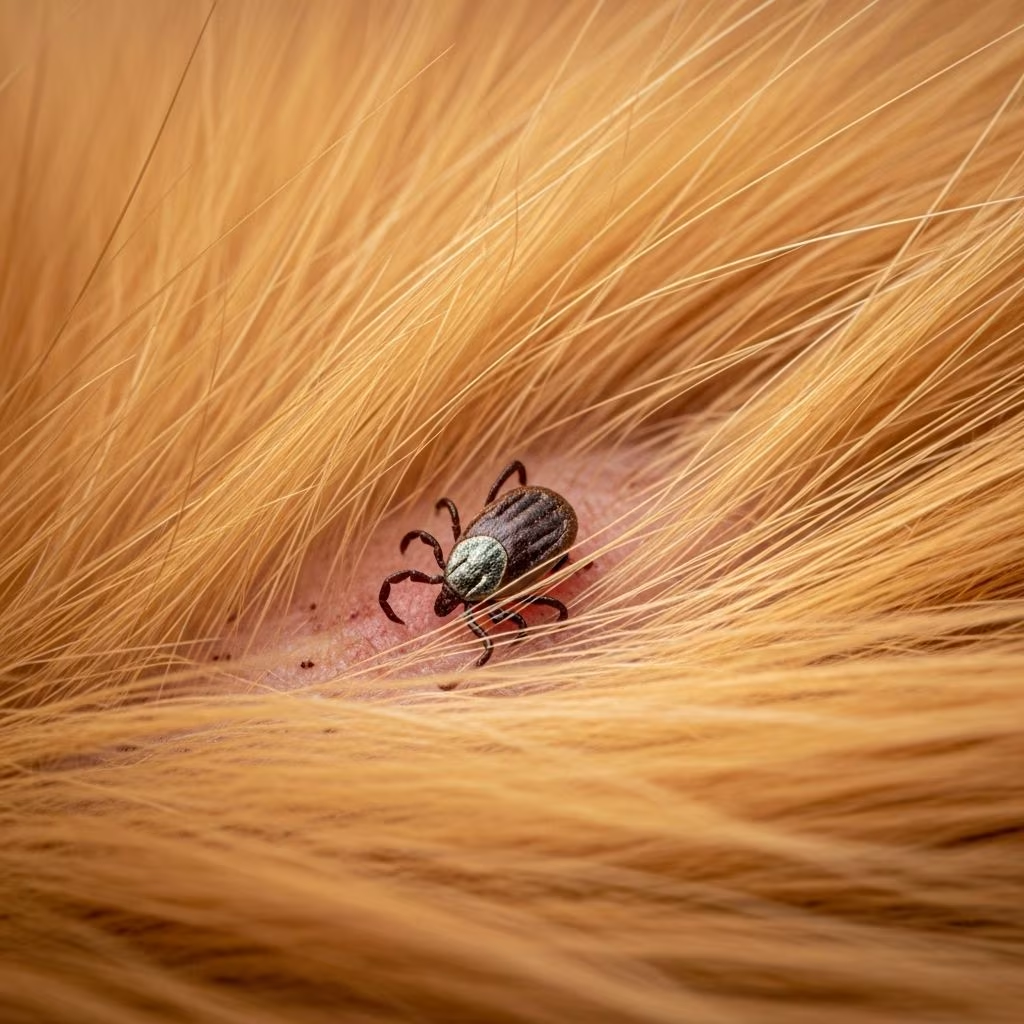
Ticks on dogs appear as small, dark bumps in fur, varying from pinhead-sized nymphs to grape-sized engorged adults. They have eight legs and oval bodies, often black, brown, or reddish; common types include the American dog tick (Dermacentor variabilis), deer tick, brown dog tick, and lone star tick. Embedded ticks blend into skin, especially in dense fur areas.
- Size variation: Unfed ticks are tiny (1-3mm); fed ones swell dramatically after blood meals.
- Color changes: Ticks turn grayish or reddish when engorged.
- Key identification: Feel for bumps while parting fur; legs may be visible on larger specimens.
Common Places Ticks Hide on Dogs
Ticks prefer warm, hidden spots on dogs where skin is thin. Check these areas daily during tick season (spring to fall, year-round in warm climates): ears, armpits, groin, between toes, under collar, and tail base. Long-haired breeds require thorough partings of fur to spot them.
| Body Area | Why Ticks Hide There | Inspection Tip |
|---|---|---|
| Ears (inside flaps) | Warm, moist | Gently lift ears, check crevices |
| Armpits/Groin | Thin skin, less grooming | Spread legs, feel for lumps |
| Between Toes | Protected from scratching | Examine paw pads closely |
| Under Tail/Collar | Constant warmth | Lift tail, remove collar fully |
Signs Your Dog Has Ticks
Beyond visible ticks, watch for behavioral changes: excessive scratching, head shaking, lethargy, or skin irritation. Ticks cause itching at attachment sites; severe infestations lead to anemia, hair loss, or secondary infections. Tick paralysis from prolonged feeding shows as weakness in legs, progressing to full paralysis within days.
- Fever, loss of appetite, swollen joints.
- Lameness shifting legs (Lyme indicator).
- Bleeding issues like nosebleeds or petechiae on gums/belly.
How to Check Your Dog for Ticks
Perform daily full-body checks post-outdoors, using gloves. Run hands over entire body, feeling for irregularities; use a fine comb or flea rake for fur. Bathe if multiple ticks found, but prioritize removal first. Timing matters: remove within 6-24 hours to minimize disease risk.
- Wet fur slightly for easier detection.
- Part fur section by section in good light.
- Focus on hotspots; use mirror for hard-to-reach areas.
- Note any ticks for ID (size, color, region).
Safe Ways to Remove Ticks from Dogs
Never squeeze, burn, or use petroleum jelly— these increase disease transmission risk. Use fine-tipped tweezers or tick tools: grasp tick close to skin, pull steadily upward without twisting. Clean site and hands with alcohol; dispose tick by flushing or taping. Monitor for redness or symptoms 7-21 days post-removal.
- Tools needed: Tweezers, alcohol, gloves, jar of soapy water.
- Post-removal: Save tick in alcohol for vet ID if illness develops.
- Avoid: Crushing body to prevent saliva regurgitation.
What Happens If You Don’t Remove Ticks?
Unremoved ticks feed for days, transmitting bacteria within 3-6 hours for some diseases. This leads to tick-borne illnesses: Lyme (joint pain, kidney damage), ehrlichiosis (fever, bleeding), RMSF (neurological issues), babesiosis (dark urine, anemia). Chronic cases cause organ failure; early intervention with antibiotics like doxycycline cures most.
Treatment for Tick Bites and Diseases
For bites, clean and monitor. Diseases require vet diagnosis via bloodwork: antibiotics (doxycycline primary), anti-inflammatories, probiotics for gut health. Supportive care includes fluids for severe cases; recovery takes days to weeks. Probiotics counter antibiotic side effects.
Tick Prevention for Dogs
Prevent via three tiers: avoid tick habitats (tall grass, woods), daily checks/removal within 24 hours, and preventives. Use vet-recommended isoxazolines (oral/topical) that kill ticks fast; avoid pyrethroids on cats. Vaccines for Lyme in high-risk areas; landscape yard with acaricides.
- Monthly preventives: NexGard-like products.
- Environmental control: Mow lawns, clear leaf litter.
- Seasonal vigilance: Peak spring/summer.
Frequently Asked Questions (FAQs)
Q: How long after a tick bite do symptoms appear in dogs?
A: Symptoms emerge 7-21 days or months later; some dogs are asymptomatic carriers.
Q: Can ticks transmit diseases quickly?
A: Yes, some within 3-6 hours of attachment.
Q: Is tick paralysis reversible?
A: Yes, symptoms resolve 2-3 days post-removal, longer if feeding was extended.
Q: What if my dog shows no tick bite symptoms?
A: Still test if exposed; silent infections possible. See vet for bloodwork.
Q: Are preventives safe for all dogs?
A: Consult vet; isoxazolines preferred, safe for most but monitor puppies/seniors.
When to See a Vet for Ticks on Dogs
Seek immediate care for visible ticks, lameness, fever, lethargy, bleeding, or post-removal illness. Early diagnosis prevents complications; vets use tests for accurate treatment.
References
- Tick-Borne Diseases in Dogs — Hershey Veterinary Hospital. 2023. https://hersheyvet.com/blog/tick-borne-diseases-in-dogs/
- Dermacentor variabilis: American dog tick — Western College of Veterinary Medicine, University of Saskatchewan. 2024. https://wcvm.usask.ca/learnaboutparasites/parasites/dermacentor-variabilis-american-dog-tick.php
- American Dog Tick Identification, Habits & Behavior — Active Pest Control. 2023. https://activepestcontrol.com/pest-info/fleas-ticks-mites/american-dog-tick/
- Canine Tick-Borne Disease — AKC Canine Health Foundation. 2024. https://www.akcchf.org/disease-history/canine-tick-borne-disease/
- 8 Types of Ticks on Dogs — PetMD. 2025. https://www.petmd.com/dog/general-health/8-types-ticks-dogs
- Diseases Commonly Spread by American Dog Ticks and Lone Star Ticks — Tick Lab. 2020-08-06. https://www.ticklab.org/blog/2020/08/06/diseases-commonly-spread-by-american-dog-ticks-and-lone-star-ticks/
- Ticks in Dogs — VCA Animal Hospitals. 2024. https://vcahospitals.com/know-your-pet/ticks-in-dogs



