

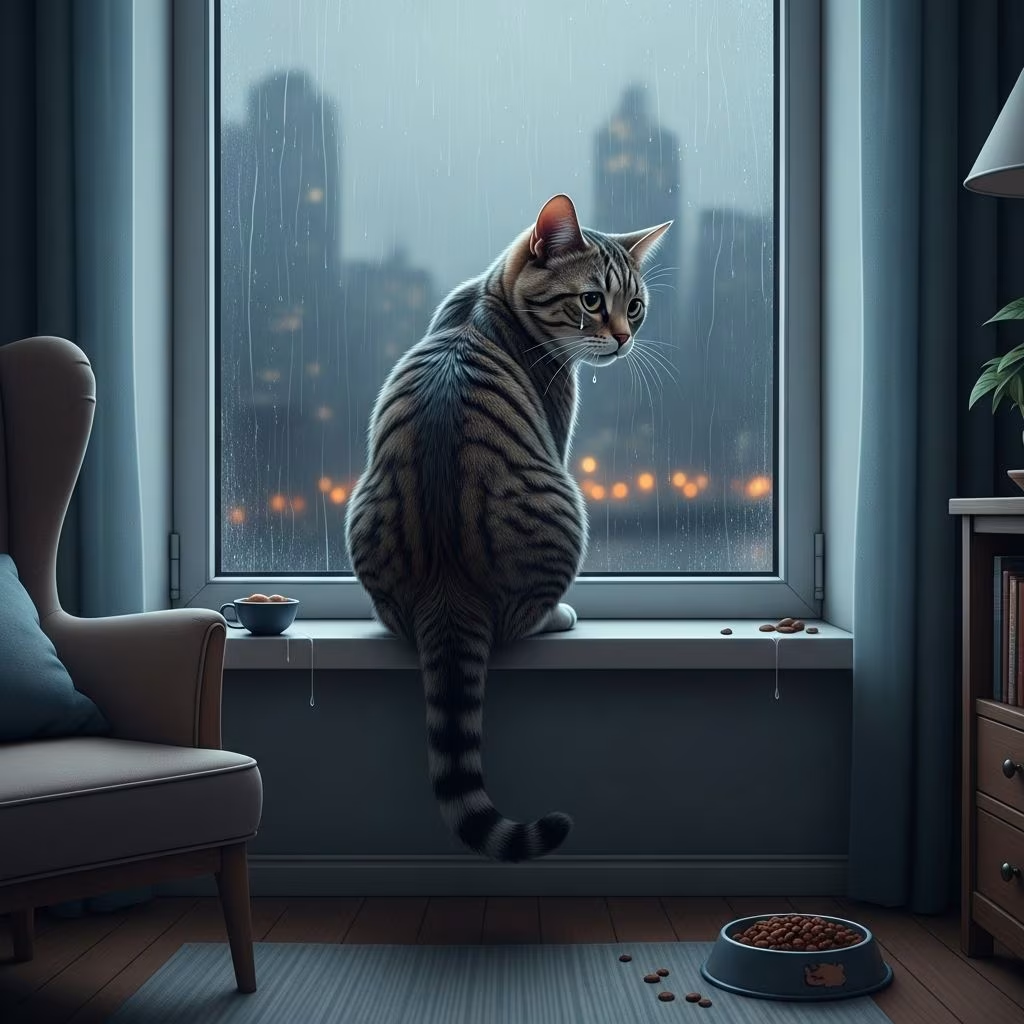
Cats are often perceived as independent creatures, but they can experience loneliness just like humans. While they may not show it as overtly as dogs, subtle behavioral changes can signal emotional distress from isolation. Recognizing these signs early allows you to intervene and improve your cat’s well-being.
Do Cats Get Lonely?
Yes, cats do get lonely. Contrary to the myth of the aloof feline, cats form strong bonds with their owners and can suffer from separation anxiety when left alone for extended periods. Veterinary experts note that cats crave companionship, and prolonged solitude can lead to depression-like symptoms or behavioral issues. Factors like breed play a role—highly social breeds such as Siamese, Burmese, or Ragdoll cats are more prone to loneliness if isolated. Single-cat households, especially those where owners work long hours, heighten the risk of “single cat syndrome,” characterized by excessive vocalization, destructiveness, or withdrawal.
Indoor cats, in particular, may feel this more acutely without outdoor stimulation. A study referenced in behavioral research highlights inappropriate urination as a common sign of feline depression and loneliness, underscoring that cats communicate distress through actions rather than words.
Signs Your Cat Might Be Lonely
Observing changes in your cat’s routine is key. Here are the most common indicators, drawn from veterinary insights:
- Excessive Vocalization: Constant meowing, crying, or low-pitched howling, especially when you’re preparing to leave or return home, signals a plea for attention. This can mimic cries of distress and differs from normal chatter.
- Clinginess or Needy Behavior: Your cat may follow you everywhere, sprawl on your keyboard, or resist you leaving the room. This separation anxiety manifests even if you’re home but distracted.
- Overgrooming or Excessive Grooming: Cats groom to self-soothe, but loneliness can lead to obsessive licking, resulting in bald spots, hairballs, or skin irritation. Rule out medical causes first.
- Increased Sleeping or Lethargy: While cats sleep 12-16 hours daily, excessive napping in hidden spots or disinterest in play indicates boredom-induced blues.
- Destructive Behavior: Scratching furniture, knocking items over, or urinating outside the litter box (often on your bed or clothes) are cries for stimulation. This stems from stress and under-stimulation.
- Changes in Appetite: Refusing food or water, or sudden shifts in eating habits, can accompany loneliness, potentially leading to weight loss.
- Hiding, Trembling, or Aggression: Withdrawal, shaking, or uncharacteristic aggression toward you or objects may signal deeper anxiety.
These signs often cluster; a single change might indicate illness, so monitor patterns and consult a vet if severe.
How to Tell If It’s Loneliness or Something Else
Not every odd behavior means loneliness. Medical issues like hyperthyroidism, pain, or urinary tract infections can mimic these symptoms. For instance, excessive meowing might stem from thyroid disease, and overgrooming could indicate allergies. Schedule a vet visit to exclude health problems—extreme changes like not eating or trembling warrant immediate attention.
Context matters: Does behavior worsen when you’re away? Track it with a journal or camera. Boredom amplifies loneliness in active cats, while multi-cat homes might show competition rather than isolation.
What to Do If Your Cat Is Lonely
Addressing feline loneliness involves enrichment, routine, and sometimes companionship. Start with these vet-recommended strategies:
- Interactive Playtime: Dedicate 15-30 minutes daily to toys like feather wands or laser pointers. Rotate toys to prevent boredom.
- Environmental Enrichment: Provide scratching posts, cat trees, window perches, and puzzle feeders to mimic hunting.
- Scent and Pheromone Products: Feliway diffusers release calming pheromones to reduce anxiety.
- Scheduled Feeding and Attention: Use auto-feeders and leave TV/radio on for company. Greet returns calmly to avoid reinforcing anxiety.
- Consider a Companion: Adopting another cat can help, but introduce slowly and ensure compatibility. Not all cats benefit—solitary ones may stress more.
| Strategy | Benefits | Tips |
|---|---|---|
| Daily Play | Reduces energy buildup, boosts bonding | End sessions before fatigue; mimic prey chase |
| Puzzle Toys | Mental stimulation prevents boredom | Fill with treats; increase difficulty gradually |
| Second Cat | Provides 24/7 companionship | Choose similar age/energy; quarantine new cat first |
| Calming Aids | Eases separation anxiety | Consult vet for pheromone collars or supplements |
Preventing Loneliness in Cats
Proactive steps keep your cat content:
- Maintain a consistent routine for meals, play, and cuddles.
- Leave safe, familiar scents (your worn clothes) when away.
- For long absences, use pet sitters or daycare.
- Socialize kittens early for resilient adults.
Monitor high-risk cats: seniors, rescues, or breeds needing interaction.
Frequently Asked Questions (FAQs)
Q: Do all cats get lonely?
A: No, but many do, especially social breeds or those in single-cat homes with absent owners. Independent cats tolerate solitude better.
Q: How long can I leave my cat alone?
A: 24-48 hours max with preparations; daily check-ins ideal for longer. Puppies need more frequent attention.
Q: Is excessive meowing always loneliness?
A: No—could be hunger, pain, or illness. Vet evaluation rules out medical issues.
Q: Can indoor cats be happy alone?
A: Yes, with enrichment, but watch for signs like lethargy or vocal changes.
Q: Does adopting another cat fix loneliness?
A: Often, but mismatched personalities can worsen stress. Slow intros key.
Final Thoughts
Your cat’s happiness hinges on feeling secure and engaged. By spotting loneliness signs and acting promptly, you foster a stronger bond and healthier life. If behaviors persist, professional guidance ensures the best outcome.
References
- How to Tell If Your Cat Is Lonely — Hill’s Pet Nutrition. Accessed 2026. https://www.hillspet.com/cat-care/behavior-appearance/how-to-tell-if-your-cat-is-lonely
- Is My Indoor Cat Lonely? A Kitty’s Point of View! — FELIWAY. Accessed 2026. https://www.feliway.co.uk/blogs/news/is-my-indoor-cat-lonely-a-kittys-point-of-view
- 5 Signs Your Cat is Feeling Lonely — Dezi & Roo. Accessed 2026. https://deziroo.com/blogs/pawsitive-connections/5-signs-your-cat-is-feeling-lonely
- Is Your Cat Lonely? 7 Signs That Will Help You Find Out — Cats.com. Accessed 2026. https://cats.com/is-my-cat-lonely
- Is My Cat Lonely? 5 Signs Of Single Cat Syndrome — Whisker. Accessed 2026. https://www.whisker.com/blog/5-signs-your-single-cat-is-lonely
- Do Cats Get Lonely When You’re Gone? — PetMD. Accessed 2026. https://www.petmd.com/cat/general-health/do-cats-get-lonely



