

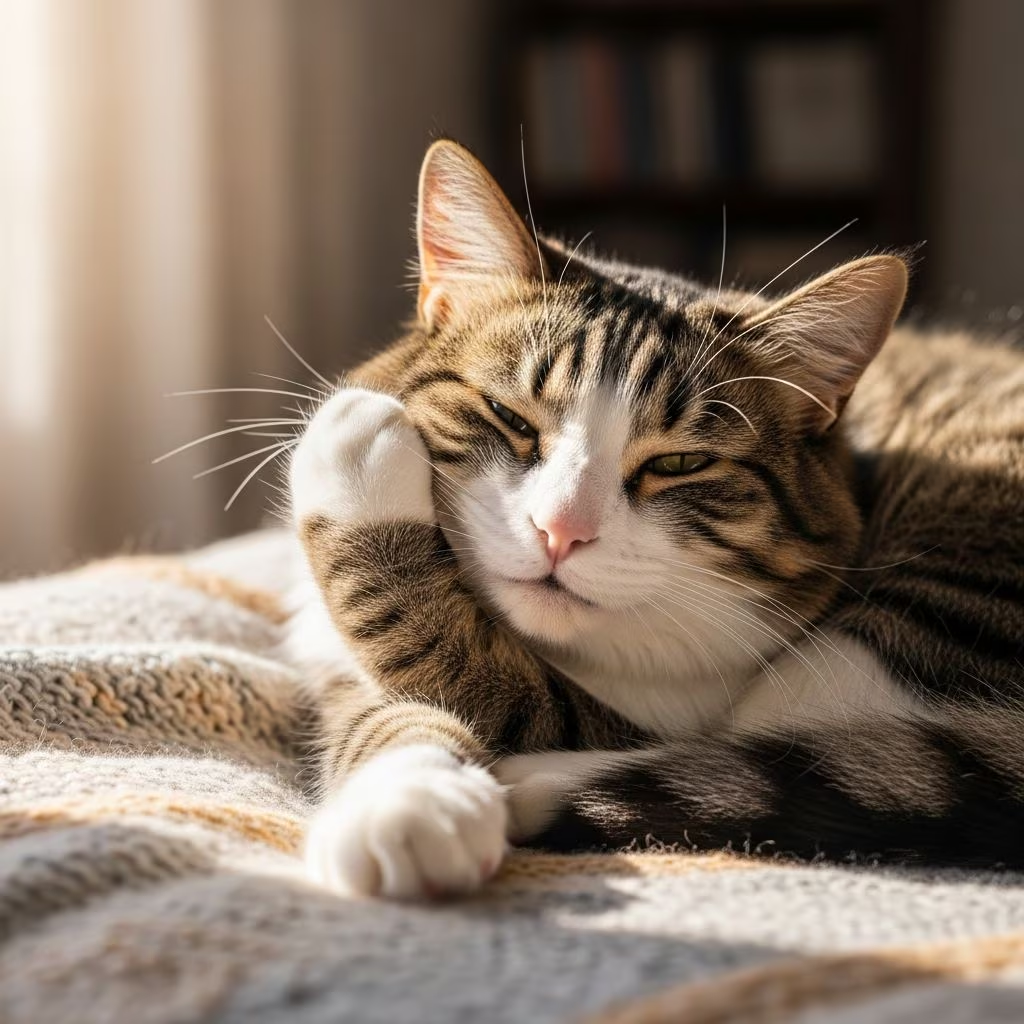
How to Tell If Your Cat Is Happy: Signs of Feline Contentment
As a cat parent, understanding your feline companion’s emotional state is essential for providing the best care and ensuring their overall well-being. Unlike dogs, cats communicate their happiness in more subtle ways, requiring attentive observation and knowledge of their unique behavioral patterns. Learning to recognize the signs of a happy cat allows you to strengthen your bond and create an environment where your pet can truly thrive. Whether your cat purrs contentedly or exhibits more nuanced signals, understanding these indicators will help you identify when your feline friend is experiencing genuine happiness and contentment.
Understanding Feline Communication
Cats possess a sophisticated communication system that extends far beyond simple meows and body movements. While they are not as vocally expressive as dogs, cats have developed intricate ways to convey their emotional states to their human companions and other cats. Understanding these communication methods is crucial for interpreting your cat’s happiness and overall emotional well-being. By learning to decode both vocal and non-vocal cues, you can develop a deeper understanding of your pet’s needs and personality.
Vocal Clues That Indicate Happiness
One of the most recognizable signs of a happy cat is their vocalization patterns. Cats can be remarkably vocal, especially when they’re experiencing contentment and joy. When your cat engages in long conversations with you, pay attention to the pitch and tone of their meows. A high-pitched meow typically indicates a content and satisfied cat, while a low-pitched meow may suggest annoyance or dissatisfaction. The melodic quality of a happy cat’s meow is distinctly different from stressed or unhappy vocalizations.
Purring represents perhaps the most iconic sound associated with feline happiness. The distinctive rumbling sound, sometimes described as that “prrrrupttt” noise, is a classic indication of a happy cat experiencing contentment or even bliss. While purring is not always an absolute indicator of happiness—cats may purr when stressed or in pain—in most cases, it reliably signals your cat’s positive emotional state. This self-soothing behavior begins in kittenhood, when newborn kittens purr to communicate with their mother and has evolved into a primary way cats express contentment.
Body Language: Decoding Physical Signals
Body language provides some of the most telling indicators of your cat’s emotional state. A relaxed and content cat exhibits distinctive physical characteristics that differ significantly from stressed or anxious felines. Learning to read these signals allows you to understand your cat’s happiness at a glance.
The Tail: A Window Into Your Cat’s Mood
Your cat’s tail is a powerful communication tool that reveals their emotional state throughout the day. A joyful cat typically holds their tail straight up with just the tip slightly hooked or curved, which they use to greet people and other pets they consider friends. This upright tail position signals confidence and contentment. Beyond simple positioning, happy cats use their tails to communicate complex messages through movement patterns. At peak happiness, the tail is held at approximately 45 degrees with gentle waves running from base to tip every few seconds. These visible waves are not merely decorative—they represent actual pulsations of happy chemicals traveling through your cat’s nervous system, making the tail a literal expression of your pet’s neurochemical state.
In contrast, a stressed or frightened cat will often hold their tail low, tuck it beneath their body, or display a bristled, puffed-up appearance. Understanding these tail movements helps you gauge whether your cat is experiencing joy or distress at any given moment.
Posture and Physical Relaxation
A happy cat exhibits a distinctly relaxed posture that contrasts sharply with stressed felines. Content cats often lounge in comfortable positions with their paws tucked underneath their bodies, signifying ease and comfort in their environment. This sleeping position, known as the “loaf” position, indicates your cat feels safe and secure. An agitated or stressed cat, by contrast, will straighten their legs and erect the hair along their spine, making themselves appear larger and more threatening.
When your cat appears small and unthreatened in their posture, they’re communicating confidence in their safety and happiness within their surroundings. This relaxed demeanor is especially evident when your cat is lounging near you, indicating trust and contentment in your presence.
Eyes as Expressions of Emotion
Your cat’s eyes are remarkably expressive and provide crucial insights into their emotional state. The eyes of a happy cat are relaxed and show a soft appearance rather than wide, dilated pupils. However, when your cat’s eyes suddenly dilate, this can indicate they are experiencing extreme happiness or excitement. This excitement-induced dilation differs from the fear-based pupil dilation that occurs in stressed cats.
One of the most endearing signs of feline affection and happiness is the slow blink. When your cat slowly closes and opens their eyes while looking at you, they are essentially offering a kiss and expressing trust and love. You can reciprocate this gesture by slowly blinking back at your cat, which research suggests can help calm your anxious pet. Happy cats increase their slow blinking by approximately 20 percent when their owners are stressed, literally attempting to calm you down through this gentle eye gesture.
Ear Position and Whisker Orientation
A happy cat’s ears are positioned facing forward, though tilted back slightly, indicating alertness combined with relaxation. This forward-facing ear position shows your cat is engaged with their environment while maintaining a sense of calm. Ears that are flattened against the head or rotated backward often indicate fear, aggression, or annoyance.
Your cat’s whiskers tell an emotional story throughout the day through their positioning and movement. Each whisker contains more nerve endings than the human fingertip, making them one of the most sophisticated sensing tools in the animal kingdom. When your cat is truly content, their whiskers hang relaxed at approximately a 20-degree angle from their face. These whiskers are neither pushed forward aggressively nor pulled back defensively, remaining neutral and relaxed. Throughout the day, happy cats engage in fascinating whisker behaviors that stressed cats never exhibit, using these sensitive organs to literally read your emotional state through tiny changes in air pressure and electromagnetic fields around your body.
Top Signs Your Cat Is Truly Happy
Frequent Purring and Vocalization
The universal sign of a content cat is frequent purring. If your feline friend purrs regularly in various situations—while you pet them, when they’re relaxed near you, or during quiet moments—this reliably indicates happiness and comfort. This behavior demonstrates that your cat trusts you and feels safe in their environment.
Active Play and Exploration
A happy cat is naturally curious and engaged with their surroundings. If your feline actively explores their environment, enthusiastically engages with toys, and exhibits a strong play drive, these are solid indicators of contentment. Play behavior satisfies your cat’s hunting instincts, keeps their mind engaged, and strengthens the bond between you and your pet. Cats that are depressed or unhappy typically show little interest in play or exploration.
The type of play matters as well. Happy indoor cats may hunt imaginary prey that don’t actually exist, and they engage in playtime with people and other pets they like or trust. Exuberant sprints, gentle wrestling matches, and calm paw patting all indicate a happy cat enjoying their life.
Healthy Eating Habits
While a good appetite is not the sole indicator of happiness, it’s often a strong sign that your cat is both healthy and happy. A happy cat may actively solicit food by rubbing around your legs and meowing, leading you to their bowl. This behavior demonstrates trust and shows that your feline friend is engaged with their daily routines. Cats are intelligent and will train their owners to provide appropriate amounts of treats, and this interactive behavior indicates happiness and contentment.
Social Interaction and Affection
If your cat seeks your company and enjoys socializing with you or other pets, this is a solid indicator of contentment. Happy cats show affection through multiple means, including head-butting, kneading with their paws, gentle nuzzles, and cheek rubbing. When your cat rubs their jowls and head against you, they’re marking you with scent glands on the sides of their face, essentially claiming you as theirs—a significant sign of bonding and happiness.
Some cats even engage in the charming behavior of walking figure-eights around your ankles in slow motion, combining head-butting and face-rubbing while you’re carrying items. This behavior, while sometimes inconvenient, is definitely a sign of a happy cat expressing affection and connection. If your cat enjoys social sleeping and chooses to sleep near you or other cats, this indicates positive relationships and emotional security.
Regular Grooming and Healthy Appearance
Cats that are stressed or ill often neglect their grooming habits, so a cat who regularly grooms themselves is likely in good spirits. A healthy appearance and meticulous grooming indicate your cat is comfortable and content in their environment. Additionally, if your cat grooms other cats or even licks and nibbles their owner, this shows trust and reflects a positive relationship. Cheerful cats maintain their appearance as a matter of pride and emotional well-being.
Relaxed and Comfortable Body Positioning
A content cat frequently lounges in relaxed positions throughout the day, signifying comfort and ease within their environment. Whether your cat is sprawled out on their side, curled in a cozy spot, or stretched across your lap, these relaxed positions indicate happiness and security. The absence of tension in their body is a clear message that your cat feels safe and content.
Interactive Behavior with Environment
Happy cats actively interact with their environment through scratching posts, watching birds outside windows, and engaging with their surroundings in meaningful ways. Providing stimulating experiences, such as a bird-feeder outside a window with a comfy perch for your cat, satisfies their natural instincts and contributes to their happiness. These interactive behaviors show that your cat is mentally engaged and finding joy in their daily life.
Building Rituals and Routines
Happy cats build elaborate rituals around their owner’s daily schedule, demonstrating attention and emotional investment in the relationship. These sweet rituals include adjusting behavior based on your mood patterns—giving you more space when you’re grumpy on Monday mornings or bringing toys to your bedroom door before you wake on Saturday mornings when playtime is expected. This sophisticated behavior shows your cat is deeply connected to you and your emotional well-being.
Marking and Scent Communication
Happy cats refresh invisible scent messages every day or two, like updating their social media status. Stressed cats either obsessively remark everything or stop leaving messages altogether. Your cat specifically chooses spots where your smell and theirs mix together, creating shared territory that indicates contentment and bonding. This subtle behavior reveals your cat’s emotional investment in your shared space.
Comparing Happy vs. Unhappy Cats
| Characteristic | Happy Cat | Unhappy/Stressed Cat |
|---|---|---|
| Tail Position | Straight up with hooked tip; gentle waves | Low, tucked, or bristled |
| Purring | Frequent and consistent | Absent or rare |
| Vocalization | High-pitched meows, long conversations | Low-pitched meows or silence |
| Eyes | Soft, relaxed, slow blinking | Wide, dilated, tense |
| Whiskers | Relaxed at 20° angle | Pulled back or forward |
| Ears | Forward-facing, slightly tilted back | Flattened or rotated backward |
| Grooming | Regular and meticulous | Neglected or excessive |
| Play Behavior | Active, engaged, playful | Withdrawn, lethargic |
| Appetite | Healthy and consistent | Poor or changed |
| Posture | Relaxed, paws tucked | Tense, legs straight, hair erect |
Creating an Environment for Feline Happiness
Understanding the signs of a happy cat is only part of the equation; actively creating an environment that supports happiness is equally important. Keep your cat amused with a variety of toys and activities that satisfy their hunting instincts and keep their minds engaged. Cats get bored too, and an unstimulated cat may engage in destructive behaviors or leave unwanted surprises in inappropriate places. Provide enrichment through interactive play, puzzle feeders, and environmental stimulation to maintain their mental and physical well-being.
Ensure your cat has access to comfortable resting spaces, window perches for bird watching, and opportunities for social interaction with their family members. The combination of physical exercise, mental stimulation, and emotional connection creates the foundation for a truly happy cat.
Frequently Asked Questions About Cat Happiness
Q: Is purring always a sign that my cat is happy?
A: While purring usually indicates happiness and contentment, it’s not always absolute. Cats may purr when they’re stressed, anxious, or even in pain as a self-soothing mechanism. However, in most contexts, purring is a reliable indicator of feline contentment. Consider the surrounding body language and situation to get a complete picture of your cat’s emotional state.
Q: What does it mean when my cat slowly blinks at me?
A: A slow blink from your cat is essentially a cat kiss and one of the highest compliments your feline can offer. This behavior indicates trust, affection, and contentment. You can reciprocate by slowly blinking back at your cat to strengthen your emotional connection.
Q: How can I tell if my cat trusts me?
A: Trust is demonstrated through multiple behaviors including head-butting, kneading, social sleeping near you, seeking your company, and showing affection through gentle nuzzles. When your cat marks you with scent glands on their face, grooms you or allows you to groom them, and engages in playful interactions, these all indicate trust and happiness in the relationship.
Q: What should I do if my cat shows few signs of happiness?
A: If your cat displays minimal signs of contentment, consider evaluating their environment for stressors, ensuring they have adequate enrichment and play opportunities, and scheduling a veterinary checkup. Changes in behavior can indicate health issues, stress, or environmental factors that may require adjustment. A veterinarian can rule out medical causes and provide guidance on improving your cat’s well-being.
Q: How important is play in determining my cat’s happiness?
A: Play is very important for feline happiness and well-being. Active play satisfies hunting instincts, provides mental stimulation, prevents boredom, and strengthens the bond between you and your cat. A cat with a strong play drive that engages regularly in playful activities is typically a content and happy cat.
Q: Can cats be happy living indoors?
A: Yes, indoor cats can be very happy with proper enrichment, stimulation, and care. Window perches for bird watching, a variety of toys, interactive play sessions, comfortable resting spaces, and social interaction all contribute to indoor cat happiness. The key is providing mental and physical stimulation that matches their natural instincts.
Conclusion
Understanding how to tell if your cat is happy involves learning to recognize and interpret the unique ways your feline communicates their emotional state. From the gentle rumble of purring and the tail held high with pride to the subtle slow blink and relaxed whiskers, your cat is constantly communicating their happiness. By paying close attention to these behavioral cues and creating an enriched environment that supports their physical and emotional needs, you can ensure that your feline companion experiences genuine contentment and thrives in your care. The bond between a happy cat and their devoted owner is truly special, built on mutual trust, understanding, and affection.
References
- Happy Cat: Signs of a Content and Satisfied Feline — Brown Vet Hospital. https://brownvethospital.com/blog/cat-happiness/
- Signs of a Happy Cat: Understanding Cat Body Language — Whiskas UK. https://www.whiskas.co.uk/blog/behaviour/how-do-i-know-if-my-cat-is-happy
- 13 Signs Your Indoor Cat Is Leading a Truly Happy Life — YouTube. https://www.youtube.com/watch?v=wuMbsr6w6pk
- The Telltale Signs of a Happy Cat — Michelson Found Animals. https://www.foundanimals.org/telltale-signs-happy-cat/
- Instead of a Smile: 5 Signs Your Cat Is Happy — Team Relectric. https://teamrelectric.ca/article/instead-of-a-smile-5-signs-your-cat-is-happy
- Cat Body Language | Cat Behaviour Help & Advice — Cats Protection. https://www.cats.org.uk/help-and-advice/cat-behaviour/cat-body-language



