

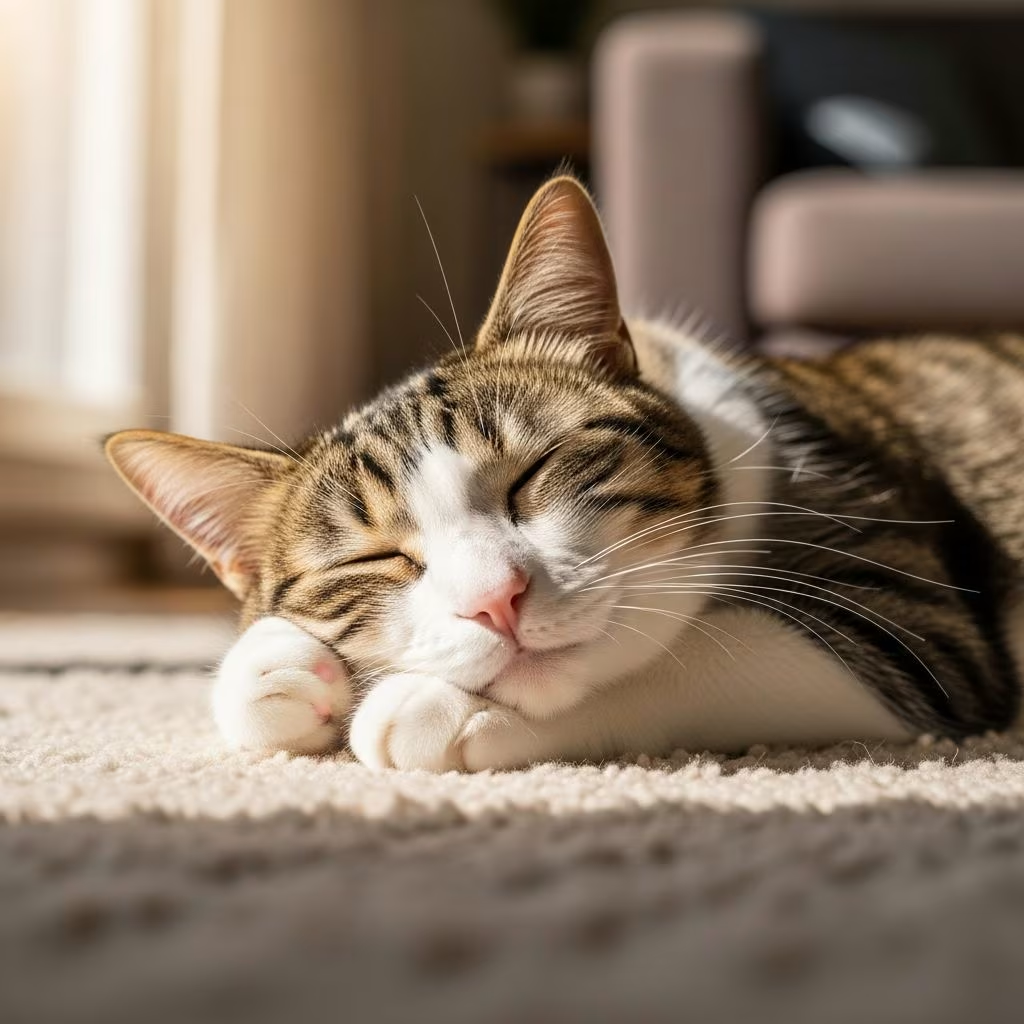
How to Tell if Your Cat is Happy
Understanding your cat’s emotional state is one of the most rewarding aspects of pet ownership. Cats communicate their happiness through a combination of vocalizations, body language, and behavioral patterns. While cats may seem aloof or mysterious, they actually display numerous clear signs when they’re content and happy. By learning to recognize these indicators, you can ensure your feline companion is thriving and develop a deeper bond with your pet.
Vocal Signs Your Cat is Happy
Cats use their voices in distinctive ways to communicate their emotional state. Understanding these vocalizations is essential for recognizing a happy cat.
Purring
Purring is one of the most obvious signs of feline contentment. This characteristic throat-rumbling sound typically indicates pleasure and satisfaction. When a kitten is just a few days old, it learns to purr as a way to communicate with its mother. As cats mature, purring becomes the quintessential sign of happiness, showing that your cat is pleased and content in your presence. While purring isn’t always a foolproof indicator—some cats purr when stressed or in pain—in most cases, it signals a happy and relaxed cat.
Chirruping and Trilling
Not all cats chirrup, but when you hear this distinctive trilling sound, your cat is likely happy and excited. A chirrup is often an invitation for you to follow your cat somewhere, such as to the treat jar, or a request for affection or playtime. This vocalization demonstrates that your cat feels comfortable and wants to engage with you.
Greeting Meows and Conversation
While cats don’t typically meow at each other, a happy cat will meow and talk to their humans. High-pitched meows generally indicate contentment, while low-pitched meows may suggest an unhappy or annoyed cat. Cats that engage in long conversations with their owners are displaying friendly and happy behavior. These vocal interactions strengthen the bond between you and your feline friend and show that your cat trusts and enjoys your company.
Body Language Signals of a Happy Cat
Your cat’s body language provides numerous clues about their emotional well-being. Learning to read these physical signs is crucial for understanding your cat’s happiness.
The Upright Tail
One of the most recognizable signs of a happy cat is their tail position. A happy cat will hold their tail straight up in the air, usually with a little curve or hook at the end. Some cats’ tails even vibrate slightly when they are especially happy and excited. This elevated tail position signals confidence and contentment. In contrast, an anxious or fearful cat may have a tucked or puffed tail. The straight-up tail is your cat’s way of greeting friends and showing that they’re in a good mood.
Slow Blink or “Cat Kiss”
The slow blink is one of the cutest and most meaningful signs of affection from your cat. When your cat makes eye contact and then slowly closes and opens their eyes, they’re essentially giving you a kiss. This behavior indicates trust and contentment. You can reciprocate by slowly blinking back at your cat, which reinforces the bond between you. A cat that gives you these slow blinks is definitely a happy and content kitty.
Relaxed Posture and Stretched Body
A happy cat maintains a relaxed posture and is willing to stretch out and show vulnerable parts of their body. This includes exposing their stomach, which is a sign of ultimate trust and contentment. A relaxed cat will have soft facial features and a natural body position. In contrast, anxious or unhappy cats tend to hunker down, hide, or get into a defensive position. If your cat feels comfortable enough to sprawl out in front of you, they’re displaying their happiness and trust.
Forward-Facing Ears
Your cat’s ear position tells you a lot about their emotional state. Happy and content cats typically have ears facing forward, tilted back just slightly. This alert but relaxed ear position shows that your cat is engaged and feeling good. When cats are frightened or angry, their ears flatten against their head. If your cat’s ears are naturally positioned forward and relaxed, they’re likely in a happy state of mind.
Dilated Eyes
Sudden dilation of your cat’s eyes indicates they are extremely happy and excited. This pupil dilation is often accompanied by other positive body language signals. However, be mindful that dilated pupils can also indicate fear or medical issues, so consider the overall context of your cat’s behavior.
Affectionate Behaviors
Happy cats demonstrate their contentment through various affectionate behaviors and interactions with their owners.
Making Biscuits (Kneading)
A good sign of a happy cat is kneading their paws into their bed, blanket, or your stomach. This behavior, known as “making biscuits” because of the motion resembling kneading dough, is often accompanied by purring. Thought to be a throwback to the security that kittens feel when nursing from their mother, kneading is a clear sign that your cat is extremely happy and content. When your cat chooses to knead you, it’s a tremendous honor and shows deep affection.
Head Butting and Cheek Rubbing
When your cat rubs their head against you or “butts” you with their head, they’re marking you with their scent glands and showing affection. A friendly and curious cat that approaches you with their tail high, rubs against you, and butts you with their head is probably a happy cat. This behavior demonstrates trust and bonding. Some cats also engage in cheek rubbing against objects or people in their environment, which is another sign of contentment and ownership.
Grooming in Front of You
A cat who will come out into the middle of the room and begin grooming in front of you feels comfortable and at ease. Regular grooming is also a sign of a happy, healthy feline. This behavior shows that your cat is relaxed enough in your presence to attend to their personal hygiene, which requires a sense of security and comfort.
Snuggles, Cuddles, and Lap Sitting
You’ll know your cat is happy if they show affection to you and want to interact with you. A content kitty loves scritches, snuggles, head boops, and lap sits. Every cat has different affection preferences—some prefer to lay on you, while others prefer to lay near you. A happy cat demonstrates this by seeking out physical contact and choosing to spend time close to their human companion.
The Social Roll
“The social roll” is when a cat gets in front of you, puts her head down, and rolls over, exposing their stomach. Cats do this roll out of affection and happiness to see you. This is a vulnerable position, so your cat is showing tremendous trust. Be careful not to trip when your cat performs this greeting behavior, as it can become a hazard, especially when you’re carrying groceries!
Greeting Behavior
If your cat comes to the door when you get home, lifts her head and meows, or gives you a chirrup to say hello, she is a happy kitty. This enthusiastic greeting shows that your cat has missed you and is happy to see you. Some cats will also rub against your legs or follow you around the house, all signs of affection and contentment.
Behavioral Indicators of Happiness
Beyond body language and vocalizations, certain behaviors reveal whether your cat is happy and thriving.
Playfulness
Happy cats will play with their toys and with other people and cats. Play is a great indication of happiness, and your kitty will engage in playful activities with other pets and humans that they like or trust. Stressed cats tend to hide, avoid interaction, and ignore or refuse to play. A strong play drive is one of the signs of a happy cat. Younger cats are especially playful, but cats of all ages benefit from play. This can include solo play, such as attacking a hanging feather or chasing a toy mouse, or interactive play with you.
Friendly and Curious Attitude
Friendly and curious are other descriptions that fit the happy cat well. A cat that is interested in what your hands smell like, what you are carrying, and shows general curiosity about their environment is likely a happy and content cat. This attitude demonstrates confidence and a sense of security.
Appropriate Litter Box Use
A happy cat will use their litter box and is usually more forgiving if its maintenance isn’t quite up to snuff. A cat that is anxious or unhappy may show it by peeing outside the box. Consistent litter box use indicates that your cat is comfortable in their environment and feels secure. If you notice changes in litter box habits, it may be worth investigating potential stressors or health issues.
Healthy Appetite
A healthy appetite is a terrific sign of a happy cat. Your kitty may ask you for food by rubbing around your legs and meowing, leading you to their bowl. This behavior is a sign of trust and shows that your feline friend is happy and content. Cats are intelligent and will often train their owners to provide them with treats when needed.
Healthy Appearance and Grooming
If cats feel good, they will keep themselves well groomed. A cheerful kitty will also groom other cats or even bite and lick their owner—this also shows trust and a positive relationship. Regular grooming and a healthy coat are indicators of feline well-being and contentment.
Creating an Environment for Happy Cats
Understanding happiness signs is important, but creating conditions that support happiness is equally crucial. Cats can and do experience stress, and environmental enrichment is essential for their well-being. Provide your cat with plenty of room, toys, perches, windows, sleeping areas, food, water, litter boxes, and human interaction. Stimulating experiences, such as placing a bird-feeder outside a window and arranging a comfy perch for your cat to watch, can keep your feline friend mentally engaged and happy.
Frequently Asked Questions
Q: Is purring always a sign that my cat is happy?
A: While purring usually indicates contentment, it’s not always a foolproof sign. Some cats purr when they’re stressed, anxious, or even in pain. However, in most cases, purring combined with other positive body language signals indicates a happy cat.
Q: What does it mean when my cat shows me their belly?
A: When your cat rolls on their back and exposes their belly, it’s a sign of trust and contentment. This is a vulnerable position, so your cat is showing they feel safe and happy in your presence.
Q: How can I tell the difference between a happy cat and an anxious one?
A: Happy cats have upright tails, forward-facing ears, relaxed postures, and engage in play and affection. Anxious cats tend to hide, have tucked tails, pinned-back ears, and avoid interaction.
Q: My cat doesn’t sit on my lap. Does that mean they’re not happy?
A: Not necessarily. Every cat has different affection preferences. Some cats prefer to be near you rather than on you. If your cat seeks your company, greets you, and engages in other positive behaviors, they’re likely happy and content.
Q: What should I do if my cat doesn’t display any happy behaviors?
A: If your cat consistently avoids interaction, hides, doesn’t play, or shows other signs of unhappiness, consult with your veterinarian. Changes in behavior can indicate health issues or stress that need to be addressed.
References
- How to Tell if Your Cat is Happy — Arm & Hammer. https://www.armandhammer.com/en/articles/is-my-cat-happy
- Is My Cat Happy? — PetMD. https://www.petmd.com/cat/behavior/is-my-cat-happy
- Signs of a Happy Cat: Understanding Cat Body Language — Whiskas UK. https://www.whiskas.co.uk/blog/behaviour/how-do-i-know-if-my-cat-is-happy
- The Telltale Signs of a Happy Cat — Michelson Found Animals. https://www.foundanimals.org/telltale-signs-happy-cat/
- Is Your Kitty Content? 6 Signs of a Happy, Healthy Cat — Belton Vet Clinic. https://www.beltonvetclinic.com/services/cats/blog/your-kitty-content-6-signs-happy-healthy-cat
- Cat Body Language | Cat Behaviour Help & Advice — Cats Protection. https://www.cats.org.uk/help-and-advice/cat-behaviour/cat-body-language



