

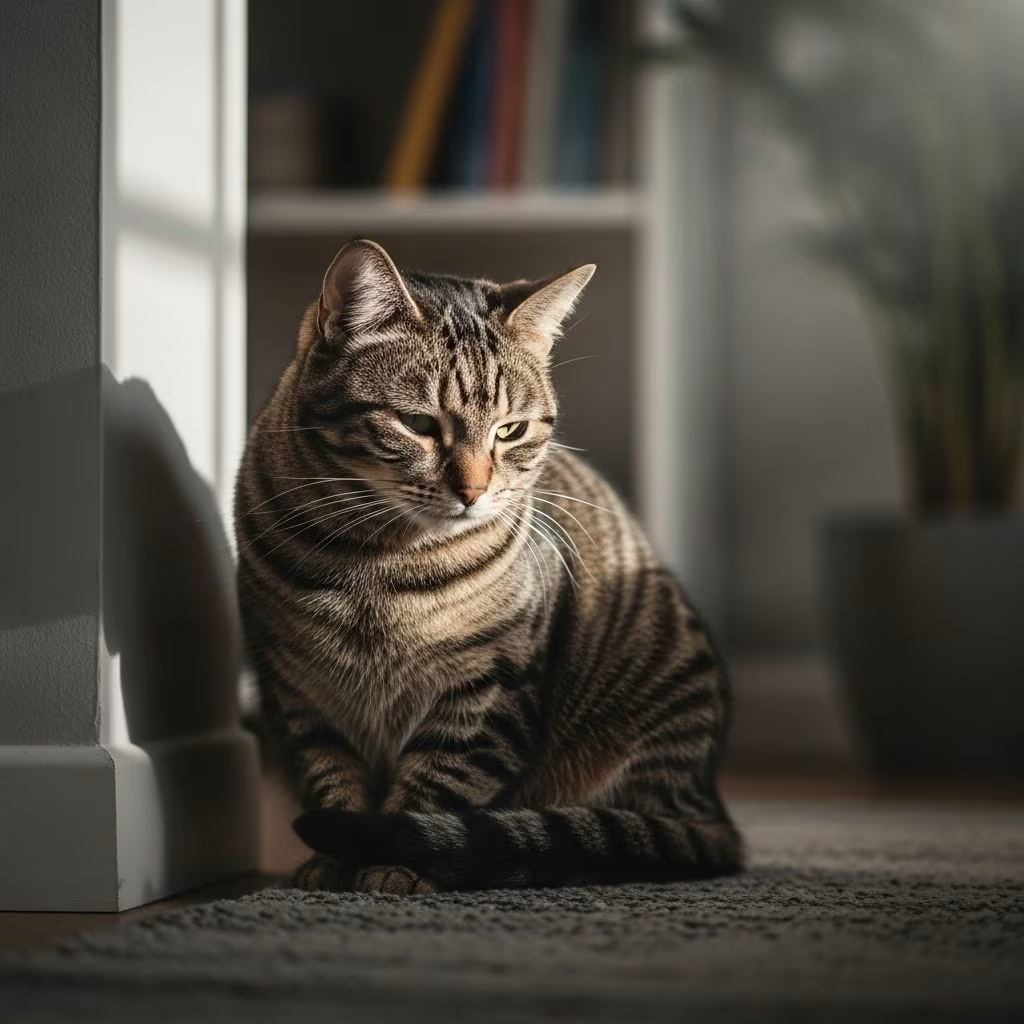
Cats are masters of masking their emotions, but depression in felines is real and can significantly impact their quality of life. While there’s no official DSM-equivalent diagnosis for feline depression, veterinarians recognize behavioral and physical changes indicating emotional distress, often linked to stress, loss, or health issues. Spotting these signs early allows for timely intervention, potentially preventing serious health complications like hepatic lipidosis from prolonged appetite loss. This comprehensive guide details the symptoms, causes, and solutions to help your cat thrive.
Can Cats Get Depressed?
Yes, cats can experience depression, manifesting as subdued behavior, reluctance to interact, and disinterest in normal activities. Unlike humans, cats don’t vocalize sadness directly but show it through observable shifts in routine. Indoor cats may display it more noticeably due to closer observation, while outdoor cats might withdraw from exploration. Veterinary experts note that what appears as laziness could signal underlying emotional or physical pain, emphasizing the need for vigilance.
Signs Your Cat Is Depressed
Depression in cats often presents subtly, requiring owners to track deviations from normal behavior. Common indicators include:
- Loss of appetite or weight loss: Cats may skip meals entirely or eat less, leading to rapid weight drop—a critical sign needing immediate attention.
- Lethargy and excessive sleeping: Increased sleep beyond their usual 12-16 hours daily, coupled with low energy, signals disinterest in life.
- Withdrawal and hiding: Seeking isolation under beds or in cabinets, avoiding social interaction with owners or pets.
- Changes in vocalization: Excessive meowing, yowling, or mournful low-pitched sounds, differing from normal patterns.
- Poor grooming: Neglecting hygiene, resulting in unkempt fur or matted coat.
- Altered body language: Ears back, tucked tail, slinky movements, or reduced rubbing against objects.
- Inappropriate elimination: Urinating or defecating outside the litter box due to stress.
- Increased aggression or irritability: Uncharacteristic snapping or fearfulness.
- Excessive scratching or destruction: Clawing furniture or objects unusually.
- Reduced play interest: Ignoring toys or play invitations, even for young cats.
These signs often overlap with medical issues, so professional evaluation is essential. Track changes over days; sudden shifts warrant a vet visit.
Causes of Depression in Cats
Cat depression stems from environmental, emotional, or physical triggers. Understanding the root helps tailor recovery.
Loss of a Companion
The death of a feline friend, dog, or human family member can trigger profound grief. Cats mourn through withdrawal and appetite loss, sometimes lasting weeks.
Moving to a New Home
Relocation disrupts territory security, causing stress and depressive behaviors as cats adjust to new scents and layouts.
Bringing Home a New Pet or Baby
Competition for attention leads to jealousy; cats may hide or act out against newcomers.
Abuse or Neglect
Poor treatment fosters fear and shutdown; even unintentional neglect like isolation contributes.
Schedule Changes
Owner’s new work hours or routines alter predictability, sparking anxiety.
Illness or Pain
Undiagnosed conditions like arthritis, dental disease, or infections cause chronic discomfort mimicking depression. Pain is notoriously hidden in cats.
Lack of Stimulation
Boredom from insufficient play, toys, or vertical spaces leads to mental stagnation.
Separation Anxiety
Prolonged alone time distresses bonded cats, resulting in vocalizing or destructive acts.
| Cause Category | Examples | Common Signs Triggered |
|---|---|---|
| Emotional | Loss, new pet/baby, moves | Withdrawal, vocalization |
| Environmental | Lack of stimulation, schedule shifts | Lethargy, destruction |
| Physical | Pain, illness, poor nutrition | Appetite loss, poor grooming |
How to Help a Depressed Cat
Recovery starts with ruling out medical causes via vet exam, including bloodwork if needed. Once cleared, implement these strategies:
- Enrich the environment: Provide scratching posts, toys, window perches, and puzzle feeders for mental stimulation.
- Increase playtime: Daily interactive sessions with wand toys mimic hunting, boosting endorphins.
- Maintain routine: Consistent feeding, play, and affection schedules restore security.
- Offer safe spaces: Cardboard boxes, cat trees, or quiet rooms for retreat.
- Use pheromones: Synthetic feline pheromones (Feliway) calm stress.
- Gentle socialization: Extra cuddles and slow introductions to changes.
- Dietary tweaks: High-quality food; consult vet for supplements like omega-3s.
- Monitor progress: If no improvement in 1-2 weeks, seek behavioral specialist.
Patience is key; most cats rebound with adjustments. Avoid punishment, which worsens stress.
FAQs
What are the most common signs of depression in cats?
The top signs include loss of appetite, lethargy, hiding, and disinterest in play.
Can cats die from depression?
Indirectly yes; refusal to eat can lead to fatty liver disease, a life-threatening condition.
Do indoor cats get depressed more easily?
They may show signs more obviously due to observation, but both indoor and outdoor cats can.
How long does cat depression last?
Varies from days to months; medical treatment and enrichment speed recovery.
When should I take my cat to the vet for suspected depression?
Immediately if appetite loss exceeds 24-48 hours or other signs persist.
References
- Is Your Cat Sad? Signs & Causes of Cat Depression — Eastgate Animal Hospital. 2023-11-15. https://www.eastgateanimalhospital.com/site/blog/2023/11/15/cat-sad-depression
- Is My Kitty Depressed? Signs to Look For in a Sad Cat — We Are All About Cats. 2021-10-07. https://weareallaboutcats.com/2021/10/07/is-my-kitty-depressed-signs-to-look-for-in-a-sad-cat/
- Think Your Cat Is Depressed? 13 Signs You Have a Sad Cat — Chewy. N/A. https://www.chewy.com/education/cat/health-and-wellness/signs-cat-is-depressed
- Why Is My Cat Sad? — WebMD. N/A. https://www.webmd.com/pets/cats/why-is-my-cat-sad
- Is Cat Depression Real? — PetMD. N/A. https://www.petmd.com/cat/behavior/can-cats-get-depressed



