

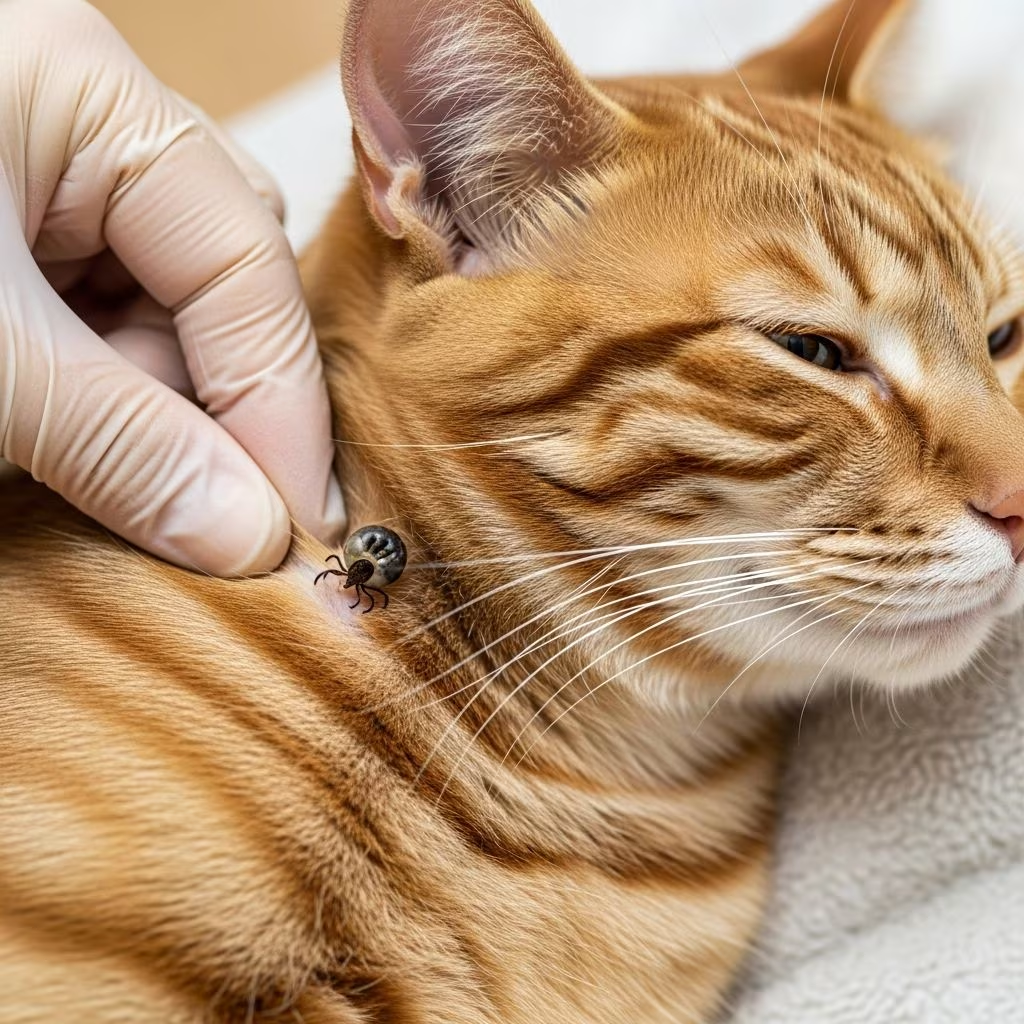
Ticks are external parasites that can latch onto your cat’s skin, feeding on blood and potentially transmitting serious diseases. Unlike fleas, which are tiny and jump, ticks are larger, often visible as bumps, and embed their mouthparts into the skin. Cats that roam outdoors, especially in wooded or grassy areas during warmer months, are at higher risk. Regular checks are essential since cats groom themselves and may hide ticks in hard-to-see spots. Early detection prevents discomfort, anemia from heavy infestations, and diseases like cytauxzoonosis or ehrlichiosis.
What Does a Tick Look Like on a Cat?
Ticks vary by life stage: larvae (tiny, six-legged), nymphs (small, eight-legged), and adults (larger, up to pea-sized when engorged). Unfed, they resemble small seeds or dark specks; after feeding, they swell into gray, red, or brown bumps filled with blood. On light-furred cats, they stand out more, but dark coats require closer inspection. They aren’t like scabs—ticks move slightly if alive and feel rubbery under gentle pressure. Distinguish from skin tags or warts: ticks have legs visible upon parting fur.
- Size: From pinhead (nymphs) to grape (engorged adults).
- Color: Black, brown, gray, or reddish; engorged ones translucent.
- Shape: Oval or teardrop, flat unfed, balloon-like fed.
- Movement: Crawling unfed ticks; attached ones pulse faintly.
Where Do Ticks Hide on Cats?
Ticks prefer warm, hidden areas with thin skin and less grooming. Focus searches here during daily petting or brushing sessions, ideally after outdoor time. Part the fur systematically from head to tail.
- Around ears, inside ear flaps, and under chin.
- Neck and collar area.
- Armpits and groin.
- Between toes and paw pads.
- Under tail and around anus.
- Back legs and belly underside.
Long-haired cats hide ticks better, so use a fine comb. Indoor cats can get ticks from rodents or other pets.
How to Check Your Cat for Ticks
Perform weekly full-body checks, more often in tick season (spring-fall). Calm your cat with treats; gloves protect you from zoonotic risks like tularemia.
- Start at head: Feel ears, face, neck.
- Move to shoulders, back, sides—run fingers against fur growth.
- Check armpits, belly, groin.
- Examine legs, paws, between toes.
- Finish with tail base, rear, underside.
Look for bumps, redness, or scabs. Brush daily to dislodge loose ticks. Feel for pea-sized lumps that don’t match normal skin texture.
Safe Ways to Remove a Tick from Your Cat
Remove ticks promptly to minimize disease transmission (risk peaks after 24-48 hours attachment). Never squeeze, twist by hand, or use folk remedies like matches, oil, or Vaseline—these cause regurgitation of pathogens.
Tools needed: Fine-tipped tweezers, tick remover hook (pet stores), gloves, rubbing alcohol, sealed jar.
- Wear gloves; restrain cat gently.
- Part fur; grasp tick close to skin with tweezers/hook.
- Pull straight out steadily—no jerking or twisting unless using hook (clockwise for hooks).
- Check skin: Ensure head/mouthparts removed; no black dot left.
- Disinfect bite with antiseptic; wash hands.
- Kill tick in alcohol; save in jar for vet ID if needed.
| Method | Pros | Cons |
|---|---|---|
| Tweezers | Precise, accessible | Risk of breaking if not close enough |
| Tick Hook | Safer, no squeeze | Learning curve |
| Fingers | Quick | Dangerous—avoid |
If mouthparts remain or infestation heavy, see vet immediately to avoid infection or anemia. Monitor site 1-2 weeks for swelling.
What Happens If You Don’t Remove Ticks Properly?
Improper removal squashes the tick, injecting bacteria/viruses. Left attached, ticks cause local irritation, allergic reactions, or transmit pathogens. Heavy loads lead to blood loss, weakness, paralysis. Zoonotic risk to humans too.
Symptoms Your Cat May Have a Tick-Borne Disease
Ticks spread anaplasmosis, ehrlichiosis, Lyme (rare in cats), cytauxzoonosis, tularemia. Symptoms appear days-weeks post-bite: fever, lethargy, poor appetite, swollen joints, lameness, anemia, breathing issues.
- Early: Scratching bite, mild fever, appetite loss.
- Moderate: Lethargy, stiff gait, swollen lymph nodes.
- Severe: Jaundice, vomiting, collapse, neurological signs (tremors).
Cytauxzoonosis is often fatal without early treatment; antibiotics like doxycycline help others. Even unseen bites can infect—routine preventives key.
Treatment for Tick-Borne Illnesses in Cats
Vet diagnosis via blood tests, tick ID. Treatments: antibiotics (doxycycline for Lyme/ehrlichia), supportive care (fluids, pain relief). Severe cases need hospitalization. Prognosis good if caught early; some like cytauxzoonosis poor. Never use dog tick products—toxic to cats (isoxazolines caution in neurologics).
How to Prevent Ticks on Your Cat
Prevention beats cure: year-round in warm climates.
- Topicals/Spot-ons: Fipronil, fluralaner (12-week kill).
- Collars/Tablets: Vet-recommended only.
- Yard control: Mow grass, remove leaf litter.
- Indoor habits: Check after outdoors; bathe if exposed.
Consult vet for cat-safe products; avoid dog formulas.
Frequently Asked Questions (FAQs)
Can indoor cats get ticks?
Yes, via open windows, other pets, or rodents. Check routinely.
Do cats need tick prevention year-round?
In mild climates, yes; ticks active >40°F.
Is Lyme disease common in cats?
Rare; symptoms mimic others, but treatable.
What if I can’t remove the tick head?
Don’t dig—see vet for extraction to avoid infection.
Can ticks kill cats?
Heavy infestations or diseases like cytauxzoonosis can.
References
- Fleas and Ticks: Is My Pet at Risk? — Merck Animal Health USA. 2023. https://www.merck-animal-health-usa.com/pet-owners/pet-health/fleas-ticks/how-to-treat-your-cat-for-ticks/
- Tick and Your Cat — Cornell University College of Veterinary Medicine. 2023-10-01. https://www.vet.cornell.edu/departments-centers-and-institutes/cornell-feline-health-center/health-information/feline-health-topics/ticks-and-your-cat
- Cats and Ticks — Blue Cross. 2024. https://www.bluecross.org.uk/advice/cat/health-and-injuries/cats-and-ticks
- How to Spot the Signs of Ticks on Cats — Elanco (Your Pet and You). 2023. https://yourpetandyou.elanco.com/us/parasites/ticks/how-to-find-ticks-on-cats
- Ticks in Cats — VCA Animal Hospitals. 2024. https://vcahospitals.com/know-your-pet/ticks-in-cats
- Ticks of Cats — Merck Veterinary Manual. 2024-05-01. https://www.merckvetmanual.com/cat-owners/skin-disorders-of-cats/ticks-of-cats



