

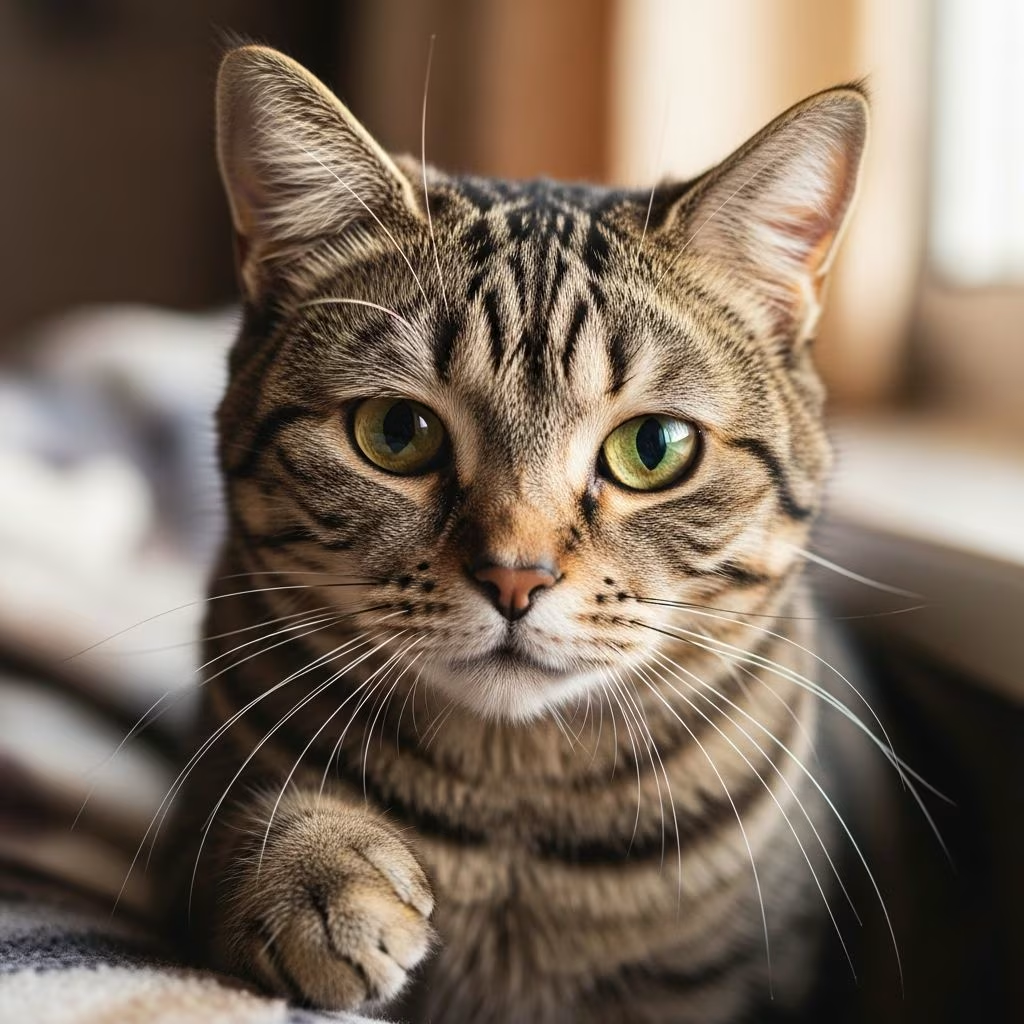
How to Tell If Your Cat Has a Fever
Cats are naturally skilled at hiding discomfort and illness, which makes recognizing when your feline friend is unwell particularly challenging for pet owners. One of the most common health issues affecting cats is fever, yet many cat parents struggle to identify the subtle signs that their pet may be experiencing an elevated body temperature. Understanding the symptoms of fever in cats is essential for ensuring your pet receives prompt veterinary care when needed.
Unlike humans, who often tell us when they don’t feel well, cats rely on behavioral and physical changes to communicate their distress. A fever in cats is not a disease itself but rather a symptom that your cat’s body is fighting off an infection, dealing with inflammation, experiencing pain, or in some cases, battling more serious conditions. By learning to recognize the warning signs, you can take quick action to help your beloved pet feel better and prevent complications.
Understanding Normal Cat Body Temperature
Before you can identify if your cat has a fever, it’s important to understand what constitutes a normal body temperature for felines. A cat’s normal body temperature typically ranges between 99.5 and 102.5 degrees Fahrenheit. This is slightly higher than the average human body temperature of 98.6 degrees Fahrenheit, which is why it’s easy to mistakenly think your cat is running hot when they actually have a normal temperature.
A cat’s body temperature can naturally fluctuate throughout the day based on activity level, time of day, and environmental factors. Generally, a cat’s temperature is lower in the morning and rises slightly in the evening. Any reading consistently above 102.5 degrees Fahrenheit may indicate a fever that requires veterinary attention.
Common Signs Your Cat May Have a Fever
Cats display various symptoms when they have a fever, though not all cats will show every sign. The most common indicators include:
Loss of Appetite
One of the earliest and most noticeable signs that your cat may have a fever is a sudden loss of appetite or decreased interest in food. If your cat begins skipping meals, eating significantly less than usual, or turning away from favorite treats, this could signal an underlying illness. Many pet owners report that reduced food intake is often the first symptom they notice when their cat is running a fever.
Lethargy and Decreased Activity
A normally active and playful cat that suddenly becomes sluggish, uninterested in their surroundings, or spends excessive time sleeping may be experiencing a fever. Fever causes the body to direct significant energy toward fighting off infection, leaving your cat feeling fatigued and weak. If your cat avoids activities they normally enjoy or seems reluctant to move around, this is a strong indicator that something is wrong.
Changes in Grooming Habits
Cats are meticulous groomers and take pride in maintaining their appearance. When a cat has a fever, they often neglect grooming habits, resulting in an unkempt or matted coat. If you notice your cat’s fur looking disheveled or your pet isn’t engaging in their usual grooming routines, this behavioral change warrants investigation.
Increased Heart Rate
Fever causes a cat’s heart rate to increase as the body works harder to fight off infection. While this symptom is difficult to monitor at home without veterinary equipment, your veterinarian will check your cat’s heart rate during a physical examination as part of the diagnostic process.
Shivering
Though it may be subtle, cats with a high fever might shiver, similar to humans experiencing chills during illness. This involuntary muscle response is the body’s attempt to generate heat and maintain core temperature regulation.
Dehydration
Fever can cause dehydration in cats. Signs of dehydration include dry, sticky, or pale gums, reduced water intake, and concentrated urine. To check for dehydration, gently pull the skin on your cat’s neck. In a well-hydrated cat, the skin should snap back immediately, while in a dehydrated cat, it may take longer to return to normal position.
Warm Ears and Paws
You may notice that your cat’s ears and paws feel unusually warm to the touch. While this can be a sign of fever, it’s important to note that this indicator alone is not definitive, as cats’ body temperature naturally fluctuates throughout the day. Combine this observation with other symptoms for a more complete picture of your cat’s health status.
Increased Respiratory Rate
Changes in breathing patterns, such as faster or labored breathing, can indicate a fever. Any noticeable breathing changes in your cat should be evaluated promptly by a veterinarian, as respiratory changes can indicate serious underlying conditions.
Behavioral Changes
Feverish cats often display behavioral changes such as increased irritability, unusual hiding, or seeking more affection than typical. Some cats may become withdrawn and hide in quiet spaces, while others may crave extra attention from their owners.
Vomiting and Diarrhea
Depending on the underlying cause of the fever, your cat may experience gastrointestinal symptoms including vomiting or diarrhea. These symptoms require particular attention, as they can lead to dehydration if not managed properly.
Common Causes of Fever in Cats
Understanding what might be causing your cat’s fever can help you communicate more effectively with your veterinarian. Several conditions are known to cause fever in felines:
Bobcat Fever (Cytauxzoonosis)
Bobcat fever is an acute and sometimes fatal disease in cats caused by a tick infected with the Cytauxzoon felis parasite. This condition often affects healthy, young adult cats that spend time outdoors. Symptoms include lethargy, depression, loss of appetite, and high fever.
Valley Fever (Coccidioidomycosis)
Valley fever results from inhalation of the soil fungus Coccidioides immitis found in desert regions of the Southwestern United States. Initial symptoms include fever, lethargy, poor appetite, and coughing. In severe cases, the condition can progress to cause joint and back pain, seizures, and blindness.
Tick-Borne Infections
Several tick-borne conditions can cause fever in cats, including Ehrlichiosis, which presents with fever, swollen lymph nodes, lethargy, decreased appetite, abnormal bruising or bleeding, and eye inflammation.
Cat Scratch Fever (Bartonellosis)
This condition can be transmitted between animals and from animals to humans, typically spreading through contact with flea feces. Symptoms in cats include fever, swollen glands, lethargy, decreased appetite, and in some cases, reproductive difficulties.
Toxoplasmosis
Toxoplasmosis is a serious parasitic disease that is also one of the most common in cats. It can lead to symptoms such as fever, diarrhea, cough, difficulty breathing, jaundice, and seizures. In severe cases, toxoplasmosis can be life-threatening.
Milk Fever (Eclampsia)
Eclampsia typically occurs in cats approximately 4 weeks after giving birth to kittens. Early signs include a stiff walk, restlessness, and excessive panting.
Other Infections
Various bacterial, viral, and fungal infections can cause fever in cats. Additionally, inflammatory conditions, pain, and even cancer can result in elevated body temperature.
How to Take Your Cat’s Temperature
The most accurate way to determine if your cat has a fever is to take their temperature using a thermometer. Two methods are commonly used: rectal and aural (ear) temperature readings.
Rectal Temperature Method
Rectal temperatures are more accurate than ear temperatures and are relatively easy to perform if your cat is cooperative. Use a digital rectal thermometer designed for pets, lubricate the tip with petroleum jelly or water-based lubricant, and gently insert it into your cat’s rectum. Follow the thermometer’s specific instructions to determine when the reading is complete. This method typically takes only a few seconds.
Ear Temperature Method
Some pet owners prefer using an infrared ear thermometer as it’s less invasive than the rectal method. However, ear thermometers are generally less accurate and may be affected by earwax or infections within the ear canal.
Important reminder: Any thermometer used on animals should be designated exclusively for pet use and not used later on people.
When to Contact Your Veterinarian
If you suspect your cat has a fever, it’s important to contact your veterinarian promptly. This is especially critical if:
- Your cat’s temperature exceeds 102.5 degrees Fahrenheit
- Fever persists for more than 24 hours
- Your cat displays multiple fever symptoms simultaneously
- Your cat is very young, very old, or has pre-existing health conditions
- Your cat has recently been outdoors and may have been exposed to ticks
- Your cat displays severe or concerning symptoms such as difficulty breathing or seizures
- Your cat is a recently postpartum female cat showing signs of illness
Your veterinarian can perform a physical examination, run diagnostic tests if necessary, and determine the underlying cause of the fever to recommend appropriate treatment.
Home Care and Comfort Measures
While waiting for or following a veterinary appointment, you can help keep your feverish cat comfortable:
- Ensure your cat has access to fresh water at all times to prevent dehydration
- Offer wet food, which contains more moisture than dry food
- Keep your cat in a cool, quiet environment where they can rest undisturbed
- Monitor your cat’s temperature regularly if you have a pet thermometer
- Keep detailed notes of symptoms and any changes in your cat’s condition to share with your veterinarian
- Avoid stressing your cat with unnecessary handling or activities
Understanding Fever in Context
It’s important to remember that fever is a symptom rather than a disease itself. Your cat’s fever is actually evidence that their immune system is working to fight off an infection or address another health issue. However, persistent or high fevers can be harmful, which is why veterinary evaluation is essential.
Because cats naturally instinctively hide their discomfort, fever symptoms can sometimes go unnoticed until the illness progresses significantly. This is why close observation of your cat’s daily behavior, appetite, activity level, and physical condition is so valuable. The better you know your cat’s normal habits and appearance, the easier it becomes to spot when something is amiss.
Frequently Asked Questions About Cat Fever
Q: What is the normal temperature for a healthy cat?
A: A healthy cat’s normal body temperature typically ranges between 99.5 and 102.5 degrees Fahrenheit. Any temperature consistently above this range may indicate a fever requiring veterinary attention.
Q: Can I tell if my cat has a fever just by touching them?
A: While warm ears and paws can suggest a fever, this method alone is not reliable. The most accurate way to determine if your cat has a fever is by taking their temperature with a thermometer. However, if your cat feels significantly warmer than usual and displays other symptoms of fever, contact your veterinarian.
Q: Is a fever always dangerous in cats?
A: Fever itself is the body’s natural defense mechanism against infection. However, persistent or very high fevers can be harmful. If your cat has a fever lasting more than 24 hours or shows severe symptoms, seek veterinary care immediately.
Q: What should I do if I suspect my cat has a fever?
A: Contact your veterinarian for guidance. If you have a pet thermometer, taking your cat’s temperature can provide valuable information. Ensure your cat has access to fresh water, keep them comfortable and calm, and monitor for any changes in their condition.
Q: Can indoor cats get fever-causing infections?
A: Yes, indoor cats can develop infections and other conditions that cause fever. While outdoor cats face higher risks from tick-borne illnesses and parasites, indoor cats can still contract bacterial, viral, and fungal infections, as well as develop other health conditions that result in fever.
Q: How long does it typically take to recover from a fever?
A: Recovery time depends on the underlying cause of the fever and the severity of the condition. Some simple infections may resolve within a few days, while other conditions may require ongoing treatment and a longer recovery period. Your veterinarian can provide specific recovery expectations based on your cat’s diagnosis.
References
- 10 Signs of Fever in Cats — Frontier Veterinary Urgent Care. 2024. https://frontierveturgentcare.com/blog/10-signs-of-fever-in-cats/
- Types of Fever in Cats and Signs — North Wake Animal Hospital. 2023-12-15. https://www.northwakeanimalhospital.com/site/blog/2023/12/15/types-fever-cats-signs
- How to Tell if a Cat Has a Fever — Pinnacle Veterinary Specialists. 2024. https://pinnacle.vet/blog/how-to-tell-if-a-cat-has-a-fever/
- Fever in Cats – Causes, Symptoms & Treatments — Greensboro Carolina Veterinary Care. 2021-01-15. https://www.greensboro.carolinavet.com/site/greensboro-specialty-veterinary-blog/2021/01/15/signs-cat-has-a-fever-what-to-do
- How to Tell if Your Cat has a Fever — Hill’s Pet Nutrition. 2024. https://www.hillspet.co.nz/cat-care/healthcare/how-to-tell-if-your-cat-has-a-fever
- Fever in Cats — VMSG-OC Veterinary Medical Services Group. 2021-12-15. https://www.vmsg-oc.com/site/blog/2021/12/15/fever-in-cats
- Fever of Unknown Origin in Cats — VCA Animal Hospitals. 2024. https://vcahospitals.com/know-your-pet/fever-of-unknown-origin-for-cats



