

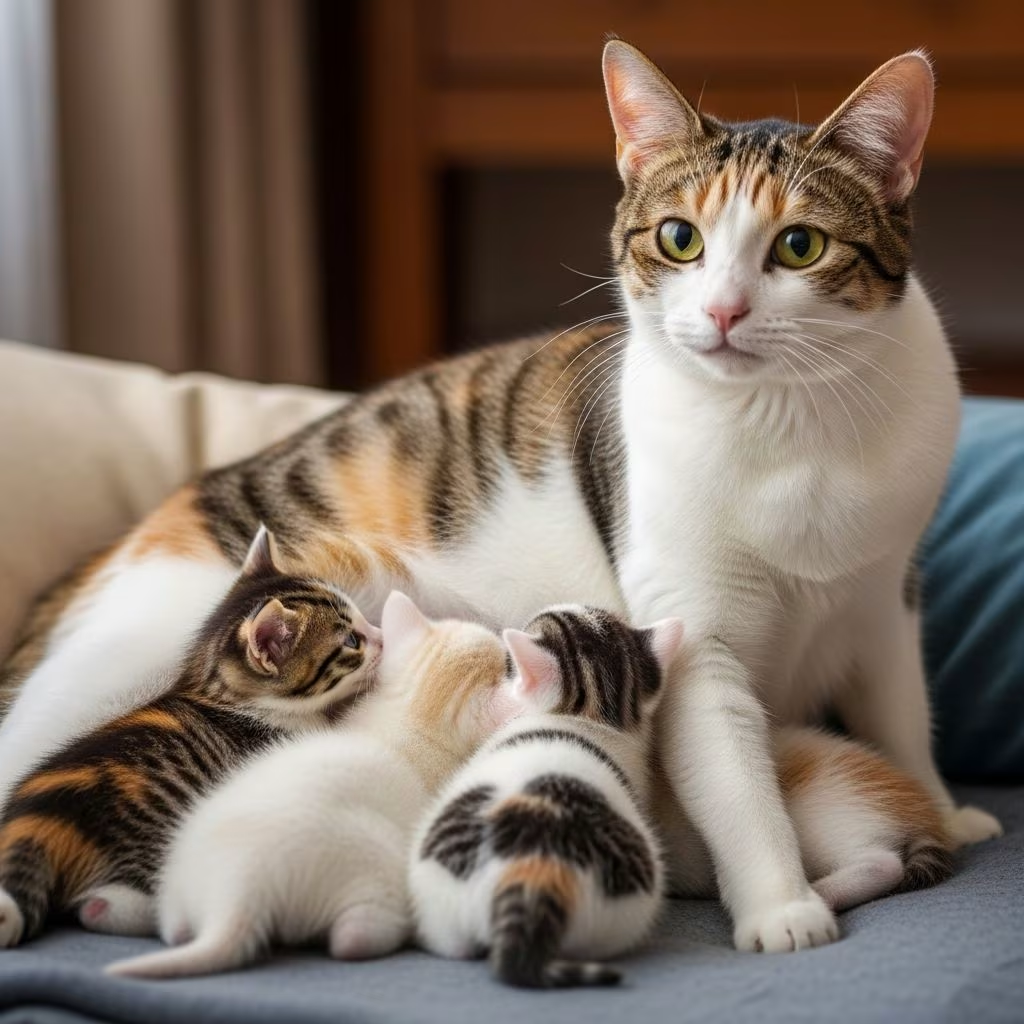
Female cats, or queens, are highly fertile and can become pregnant again shortly after giving birth, even while nursing a litter. Lactation does not fully prevent heat cycles, though prolactin hormone release suppresses ovulation somewhat, making pregnancy less likely but still possible if mating occurs. This guide covers the **7 key vet-reviewed signs** to watch for in a nursing cat, helping owners provide timely veterinary care and prepare for potential new kittens. Early detection is crucial to monitor health risks like nutritional demands or birthing complications.
Can a Nursing Cat Get Pregnant Again?
Yes, a nursing cat can get pregnant while still feeding her current litter. Cats reach sexual maturity as early as 4-6 months and can go into heat every 2-3 weeks during breeding season if unspayed. Nursing triggers prolactin, which may delay but not eliminate estrus cycles. If a queen mates during this time, conception is possible around 15-21 days post-birth, leading to overlapping litters. This rapid reproductivity contributes to feline overpopulation, emphasizing spaying post-weaning.
Veterinarians note that while nursing provides some natural contraception, it’s unreliable—especially in multi-cat homes or outdoor environments where tomcats are present. Owners should separate nursing queens from intact males to prevent re-breeding.
1. Appetite Changes
**Appetite fluctuations** are among the earliest indicators of pregnancy in a nursing cat. A queen already eats more to support lactation, but further increases or sudden decreases signal hormonal shifts from new pregnancy. Some cats experience “morning sickness” with vomiting or refusal to eat early on, though rare.
- Increased hunger: Pregnancy boosts caloric needs; expect 2-3 times normal intake by mid-gestation.
- Decreased appetite: Nausea in weeks 1-3 may cause temporary pickiness.
- Post-weaning surge: If appetite rises sharply after kittens wean, suspect new pregnancy.
Monitor food intake daily. A 20-50% increase beyond nursing norms warrants a vet check, as it could indicate pregnancy or health issues like parasites.
2. Behavioral Changes
Pregnant nursing cats often show distinct **behavioral shifts** due to hormones. These can overlap with nursing behaviors but intensify with dual demands.
- Affectionate or withdrawn: More cuddly seeking comfort, or hiding to protect herself.
- Nesting: Scratching fabrics or seeking secluded spots 1-2 weeks pre-birth.
- Restlessness or lethargy: Pacing in late stages or reduced activity mid-pregnancy.
- Increased vocalization: Meowing more, especially near labor.
These changes help distinguish pregnancy from stress. Track patterns; persistent shifts post-weaning suggest pregnancy.
3. Nipple Color and Size Changes
**Nipple “pinking up”** is a hallmark sign, visible 2-3 weeks into pregnancy. Nursing already enlarges nipples, but further swelling, darkening to pink/red, and prominence indicate preparation for another litter.
- Timing: Noticeable by week 3; more pronounced than lactation alone.
- Appearance: Larger, softer, more visible along the abdomen.
- Differentiation: If nipples remain enlarged post-weaning, pregnancy likely.
Gently palpate (avoid squeezing). Consult a vet if changes persist, ruling out mastitis.
4. Distended Abdomen
A **swollen belly** appears 4-5 weeks in, as fetuses grow. In nursing cats, distinguish from milk distension or fat by firmness and rapid progression.
| Stage | Abdomen Change | Nursing Overlap |
|---|---|---|
| Weeks 1-3 | Minimal/no change | Milk fullness |
| Weeks 4-6 | Rounding, firm | Post-peak lactation |
| Weeks 7-9 | Large, kittens palpable | Weaning complete |
Fetal movement felt around day 28; ultrasound confirms. Weight gain accompanies, 1-2 lbs total.
5. Weight Gain
**Noticeable weight gain**, especially post-weaning, signals pregnancy. Queens gain gradually: 1 lb by week 5, more later. Account for current litter’s weight.
- Early: Subtle from increased eating.
- Late: Rapid due to kittens (average litter 4-6).
- Monitoring: Weekly weigh-ins; sudden gains post-nursing peak indicate pregnancy.
Not just fat—combine with other signs.
6. Morning Sickness (Rare)
Some queens show **vomiting or lethargy** in early pregnancy, mimicking nursing fatigue. Drooling or lip-licking may occur. Uncommon but notable if new.
7. Nesting and Pre-Labor Signs
**Nesting behavior** ramps up in weeks 7-9: hiding, shredding bedding. Pre-labor: appetite drop, genital licking, restlessness, temperature drop to 99°F.
- Restlessness/pacing.
- Clinginess then isolation.
- Heavy breathing.
Prepare a quiet box with towels.
Timeline of Pregnancy Signs in Nursing Cats
| Pregnancy Week | Key Signs | Vet Confirmation |
|---|---|---|
| 1-3 | Appetite shift, pink nipples, behavior change | Blood test possible |
| 4-6 | Abdomen swell, weight gain | Ultrasound (fetal hearts day 15-17) |
| 7-9 | Nesting, pre-labor | Palpation, X-ray |
Gestation: 63-65 days average.
Veterinary Confirmation Methods
Visit a vet for accuracy:
- Physical exam: Palpation weeks 3-5.
- Ultrasound: Detects heartbeats day 15-17, movement day 28 (95% accurate post-day 29).
- Blood tests: Relaxin hormone, 95% accurate after day 29.
- X-rays: Late term for kitten count.
False positives from gas possible early.
Care for Pregnant Nursing Cats
Support dual litters:
- Diet: High-calorie kitten food, free-feed.
- Environment: Quiet, warm space; separate males.
- Monitoring: Daily checks for distress.
- Spay post-weaning: Prevent cycles.
Risks: Nutritional deficiency, difficult birth.
When to See a Vet Urgently
- Pain, lethargy, discharge.
- Prolonged labor (>60 min between kittens).
- Litter concerns: Weak kittens.
Frequently Asked Questions (FAQs)
Q: How soon can a nursing cat get pregnant again?
A: As early as 1-2 weeks post-birth, during heat.
Q: Is nipple pinking definitive for pregnancy?
A: Common week 3 sign, but vet confirm needed.
Q: Can I feel kittens in a nursing cat?
A: Around week 5; ultrasound better early.
Q: What if my cat nests but isn’t pregnant?
A: Stress or instinct; monitor other signs.
Q: Should I spay a nursing cat?
A: Wait until kittens weaned (6-8 weeks).
References
- How to Tell if a Cat is Pregnant — Bloom Plaza Animal Hospital. 2024-06-29. https://www.bloomplazaanimalhospital.com/site/blog/2024/06/29/cat-pregnant
- Can a Cat Get Pregnant While Still Nursing Kittens? — Chewy. Accessed 2026. https://www.chewy.com/education/cat/health-and-wellness/can-a-cat-get-pregnant-while-still-nursing-kittens
- How to tell if your nursing cat is pregnant again — Purely Pets Insurance. Accessed 2026. https://www.purelypetsinsurance.co.uk/blogs/how-to-tell-if-your-nursing-cat-is-pregnant-again/
- Signs That Your Cat is Pregnant — Broad Ripple Animal Clinic. Accessed 2026. https://bracpet.com/blog/signs-that-your-cat-is-pregnant/
- How to Tell If a Nursing Cat Is Pregnant Again? 7 Vet Reviewed … — Catster. Accessed 2026. https://www.catster.com/cat-health-care/how-to-tell-if-nursing-cat-is-pregnant-again/
- Cat Pregnancy: Signs, Stages and Care — PetMD. Accessed 2026. https://www.petmd.com/cat/conditions/reproductive/cat-pregnancy-and-kittens-complete-guide



