

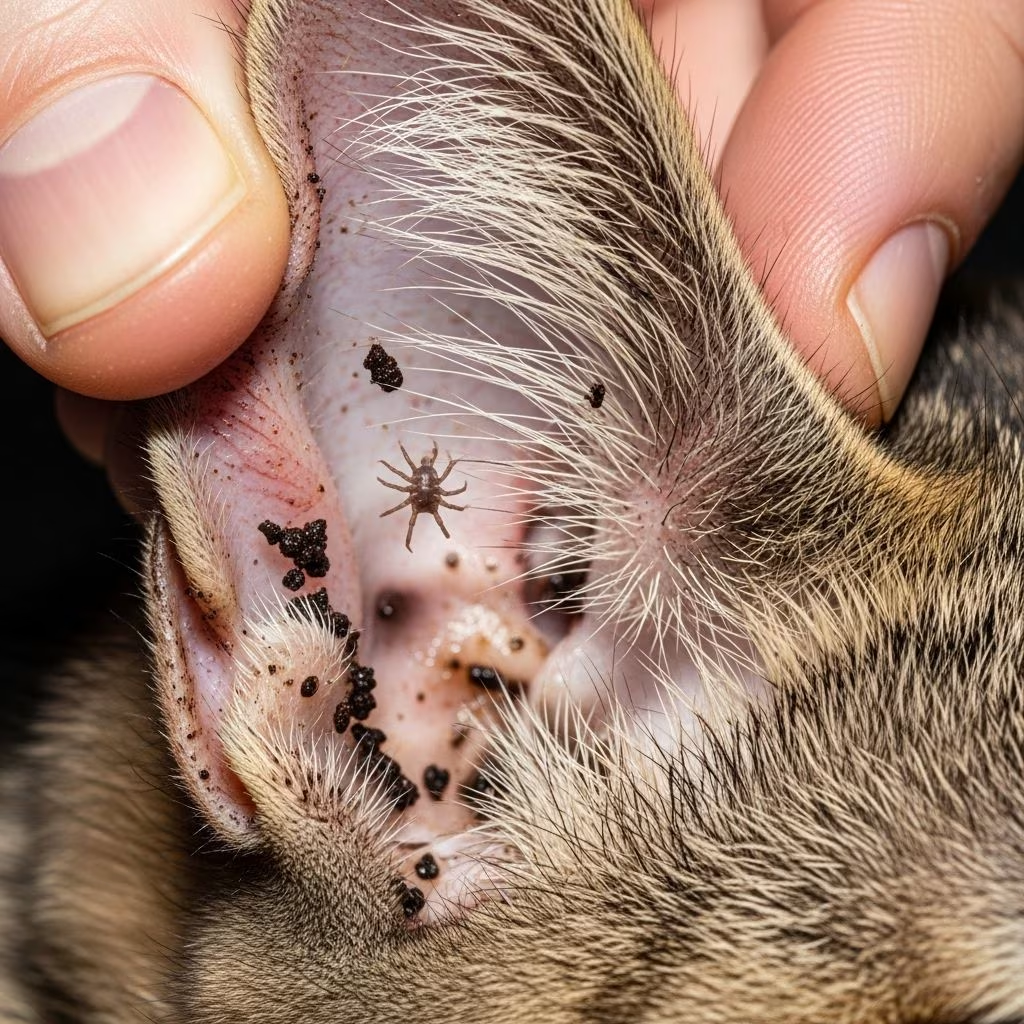
Ear mites are a common parasitic infestation in cats, particularly affecting kittens and outdoor cats, causing significant discomfort through intense itching and inflammation in the ear canals. These tiny parasites, primarily Otodectes cynotis, thrive in the warm ear environment, leading to visible symptoms that cat owners can spot early with close observation.
What Are Ear Mites?
Ear mites are microscopic parasites that live in the ear canals of cats, feeding on ear wax and oils while laying eggs that hatch into new mites, perpetuating the cycle. Unlike fleas or ticks, these mites (Otodectes cynotis) are host-specific to cats and dogs, spreading easily through direct contact, especially among multi-pet households or feral colonies. They burrow into the skin of the external ear canal, triggering an inflammatory response that produces excess wax and debris, often resembling coffee grounds.
The lifecycle of ear mites is rapid, completing in about 21 days, with females laying up to five eggs daily. This quick reproduction makes infestations explosive if untreated, potentially leading to secondary bacterial or yeast infections due to the damaged ear lining from scratching. Kittens nursing from infested mothers or outdoor cats mingling with strays are at highest risk, as the mites transfer via physical contact.
Ear Mite Symptoms in Cats
Recognizing ear mite symptoms early is crucial for prompt treatment and preventing complications. Cats with ear mites often exhibit behavioral changes due to discomfort, alongside physical signs in the ears.
- Head shaking: Cats frequently shake their heads vigorously in an attempt to dislodge the irritants, sometimes leading to head tilts or circling.
- Excessive scratching: Intense scratching at the ears, base of ears, or face, which can cause hair loss, scabs, or even aural hematomas (swollen ear flaps).
- Dark discharge: A hallmark sign is black or dark brown, crumbly, waxy debris resembling coffee grounds or dried blood, often with a foul odor.
- Redness and inflammation: Ears appear red, swollen, or drooping; the ear canal may feel warm or produce pus if secondary infections develop.
- Other signs: Reluctance to be touched around the head, odor from ears, decreased appetite, lethargy in severe cases, or even neurological issues if untreated.
Symptoms can affect one or both ears and vary in severity; some cats show minimal signs despite heavy infestations, while others become highly pruritic. Ectopic mites may cause generalized itching or miliary dermatitis on the head, feet, or tail.
Causes of Ear Mites in Cats
Ear mites are caused by the parasite Otodectes cynotis, highly contagious among cats through direct contact during grooming, nursing, or fighting. Outdoor cats, strays, and those in shelters face higher exposure risks, as mites survive briefly off-host but spread rapidly in close quarters.
Once inside the ear, mites irritate the canal lining, provoking excess cerumen production that sustains them. Trauma from scratching exacerbates inflammation, inviting secondary infections. Unlike allergies or yeast issues, which mimic symptoms, ear mites are purely parasitic and resolve with targeted acaricidal treatment.
How Are Ear Mites Diagnosed?
Veterinarians diagnose ear mites through clinical signs, history of exposure, and confirmatory tests. A typical exam involves otoscopy to visualize the ear canal for mites, eggs, or characteristic debris.
- Ear swab microscopy: The gold standard; discharge is swabbed, placed on a slide with mineral oil, and examined under a microscope for mites or eggs.
- Skin scraping: If ears are too inflamed, scrapings from the canal confirm presence.
- Otoscopy: Reveals moving mites or inflammation; sedation may be needed for painful ears.
Differential diagnoses include bacterial/yeast infections, allergies, or polyps, ruled out by cytology. Even if mites aren’t visualized, presumptive treatment is common if symptoms fit. Additional tests like culture check for secondaries.
Treatment for Ear Mites in Cats
Treatment is highly effective, combining ear cleaning, parasiticide application, and addressing secondaries. Vets tailor protocols based on severity.
| Treatment Type | Examples | Application | Notes |
|---|---|---|---|
| Topical Ear Treatments | Anti-parasitic drops (ivermectin, milbemycin) | Daily cleaning + drops for 7-10 days | Soothes inflammation, kills mites |
| Systemic/Spot-on | Selamectin, moxidectin, isoxazolines | Monthly topical or injection | Convenient, covers whole body |
| Injectable | Ivermectin | Single/subsequent doses | For sensitive ears; rare reactions |
| Supportive | Antibiotics, anti-inflammatories | Oral/topical | For secondary infections |
Begin with thorough cleaning to remove debris shielding mites, using vet-approved solutions. Home cleaning risks injury if ears are sore—leave to professionals initially. Treat all household pets, as mites spread easily; isolate infested cats. Follow-up rechecks ensure clearance, typically within 2-4 weeks.
Home Remedies for Ear Mites (Use with Caution)
While vet care is essential, some owners use adjuncts like baby oil drops to smother mites (a few drops daily for a month), but this doesn’t address eggs or secondaries. Mineral oil or olive oil softens wax but risks aspiration or infection if overused. Never use these without vet approval, as they delay proper treatment.
Preventing Ear Mites in Cats
Prevention focuses on reducing exposure: Keep cats indoors, routinely check ears, and use monthly parasiticide preventives covering mites (e.g., selamectin). Quarantine new cats for 2-3 weeks, clean bedding, and avoid contact with strays. Regular vet exams catch issues early.
For multi-cat homes, treat all at once. No vaccine exists, but hygiene and vigilance suffice.
When to See a Vet for Ear Mites
See a vet immediately if you notice head shaking, dark discharge, or scratching—delays risk chronic otitis or aural hematomas. Urgent care is needed for pus, foul odor, balance loss, or pain. Early intervention prevents emaciation or neurologic signs in severe cases.
Frequently Asked Questions (FAQs)
Can ear mites kill my cat?
Rarely, but untreated severe infestations can lead to secondary infections, hematomas, or neurologic issues causing debilitation.
Are ear mites contagious to humans?
No, Otodectes cynotis is species-specific to cats/dogs and doesn’t infest humans.
How long do ear mites live in cats?
The full lifecycle is 21 days; adults live 1-2 months without treatment.
Can I treat ear mites at home without a vet?
Not recommended; improper cleaning worsens issues. Vets provide safe, effective meds.
How often should I clean my cat’s ears?
Only as needed or vet-directed; healthy ears self-clean. Weekly checks suffice.
References
- Ear Mites in Cats — Small Door Veterinary. 2023. https://www.smalldoorvet.com/learning-center/medical/ear-mites-in-cats
- Ear Mites in Cats: Causes, Signs, and Treatment — Long Beach Animal Hospital. 2023. https://lbah.com/feline/ear-mites/
- Ear Mites (Otodectes) in Cats and Dogs — VCA Animal Hospitals. 2023. https://vcahospitals.com/know-your-pet/ear-mites-otodectes-in-cats-and-dogs
- Ear Mites in Cats — Blue Cross. 2023. https://www.bluecross.org.uk/advice/cat/health-and-injuries/ear-mites-in-cats
- Ear Mites: Tiny Critters that Can Pose a Major Threat — Cornell University College of Veterinary Medicine. 2023. https://www.vet.cornell.edu/departments-centers-and-institutes/cornell-feline-health-center/health-information/feline-health-topics/ear-mites-tiny-critters-can-pose-major-threat
- Ear Mites: Uncovering, Treating, and Preventing Infestations — Today’s Veterinary Practice. 2023. https://todaysveterinarypractice.com/parasitology/ear-mites-uncovering-treating-and-preventing-infestations/



