

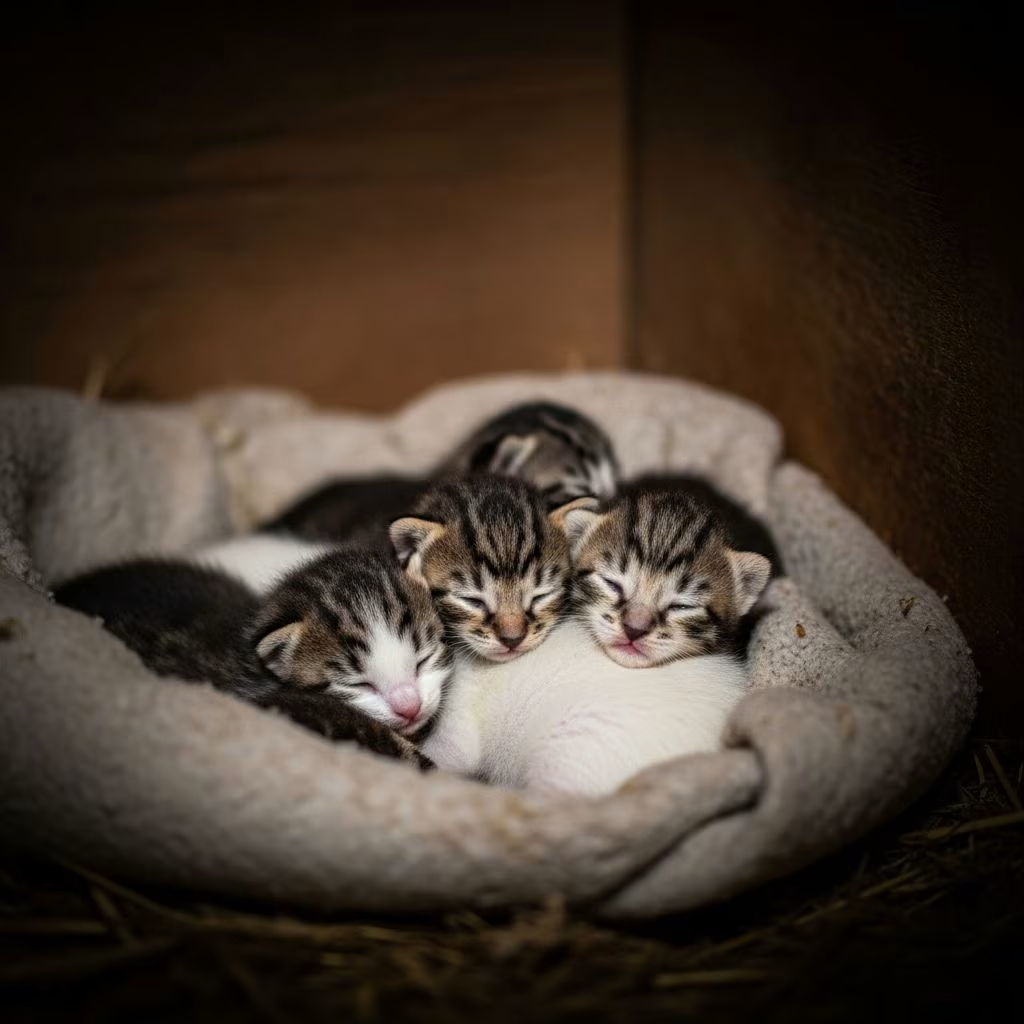
Mother cats, or queens, typically provide devoted care to their kittens, nursing, grooming, and protecting them. However, abandonment or rejection does occur, leaving kittens vulnerable. Understanding the signs of true abandonment is crucial to avoid unnecessary intervention, as queens often leave kittens briefly to hunt. This comprehensive guide outlines reasons for abandonment, definitive signs, and safe steps to help.
Reasons a Mother Cat May Abandon Her Kittens
Mother cats abandon kittens for instinctual or health-related reasons. Recognizing these helps determine if intervention is needed.
- Weak or Ill Kitten: Queens reject sickly, deformed, or weak kittens to focus on healthier ones, preserving the litter’s survival. A perceptive mother senses issues like congenital defects early.
- Maternal Illness: Conditions like mastitis (mammary infection) or womb infections cause pain, preventing nursing. Swollen, hard nipples make suckling impossible, leading to rejection.
- First-Time or Young Mothers: Inexperienced queens, especially under 1 year old, may lack maternal instincts. Kittens as young as 4 months can give birth but often don’t know how to care for offspring.
- Large Litter Size: Litters of 6+ overwhelm the queen, leading her to reject some for better care of others due to insufficient milk.
- Stress or Threats: Environmental stress, predators, or human presence scares feral queens away. Domestic cats are less affected but may abandon if threatened.
- Poor Nutrition or Queen Health: Malnourished or ill queens can’t produce milk or energy for care, resulting in rejection.
How to Tell If a Queen Has Rejected Her Kittens
Distinguishing rejection from normal absence prevents ‘kit-napping’ healthy kittens. Observe without disturbing first.
1. Listen for Cries
Kittens mew for hunger or comfort, but abandoned ones cry frantically, high-pitched, and desperately. Persistent, fading cries without mother return signal distress. Hungry kittens get restless; starved ones weaken and quiet.
2. Check Temperature
Kittens can’t regulate body heat until 3-4 weeks. Abandoned ones feel cold to touch, risking hypothermia. Warm, content kittens huddle together or nest comfortably.
3. Observe Physical Condition
Ungroomed, dirty kittens with urine/feces or bloated bellies indicate no stimulation to eliminate. Healthy nursed kittens gain weight steadily; rejected ones fail to thrive.
4. Watch for Nursing Behavior
Queens nurse every 1-2 hours post-birth. Ignoring specific kittens, moving them from nest, hissing, or biting signals rejection. Normal for weaning after 4 weeks.
5. Inspect Nest and Location
Mothers choose safe, warm, hidden spots. Exposed, cold, or unsafe nests suggest abandonment. Feral queens scatter kittens for safety.
6. Monitor Mother’s Return
Observe from 35+ feet away for hours. Queens hunt for 1-8 hours daily. No return after 24 hours with distress signs warrants action.
Steps to Confirm and Safely Intervene
Follow these 6 steps methodically:
- Observe from Distance: Watch 35 feet away for mother. Use trail cam if possible, avoiding disturbance.
- Listen and Assess Cries: Note cry intensity over hours. Frantic to silent indicates starvation.
- Visual Inspection Without Touch: Check cleanliness, temp, nest safety remotely.
- Provide Temporary Aid: If cold/crying, warm with blanket, offer kitten formula via bottle. Return to nest if mother owned.
- Relocate if Unsafe: Move to nearby safe spot; mother can follow cries.
- Seek Vet Care: Take kittens/mother to vet for health check, deworming, vaccines.
| Sign | Normal Behavior | Abandonment Sign |
|---|---|---|
| Cries | Occasional soft mews | Frantic, persistent, fading |
| Temperature | Warm to touch | Cold, hypothermic |
| Cleanliness | Groomed, dry | Dirty, soiled, bloated |
| Weight | Gaining steadily | Not gaining or losing |
| Mother Behavior | Nursing, grooming all | Ignores, moves, attacks some |
What to Do If Kittens Are Abandoned
Confirmed orphans need immediate, proper care to survive.
- Warmth First: Use heating pad on low (half covered), hot water bottle wrapped, or incubators. Temp: 85-90°F first week, reduce gradually.
- Feed Kitten Milk Replacer (KMR): Never cow milk. Neonates: every 2 hours, 2-4ml. Burp after. Stimulate genitals with warm cloth to potty.
- Hygiene: Clean gently, stimulate elimination until 3 weeks.
- Vet Immediately: Check for dehydration (skin tent), fleas, infections. Supplements if needed.
- Socialize: Handle frequently for tame pets.
- Weaning: Start at 4 weeks with gruel, solids by 8 weeks.
Hand-raising success high with diligence; failure rates drop with early intervention.
Important Notes on Mother Cat Behavior
- Kittens under 10-12 weeks belong with mother if possible for immunity, socialization.
- Feral queens move kittens; wait patiently.
- Weaning refusal after 4-8 weeks normal, not rejection.
- Human scent myth debunked; mothers rarely reject touched kittens unless stressed.
- Spay post-weaning to prevent repeats.
Frequently Asked Questions (FAQs)
Will a mother cat abandon her kittens if I touch them?
No, the myth is unfounded. Mothers rarely reject due to human scent alone, especially domestic cats. If stressed, she might, but prioritize safety.
How long can mother cat leave kittens alone?
Up to 8-12 hours for hunting, less with neonates. Monitor cries/temp for distress.
What if only one kitten is abandoned?
Likely weak/ill; remove, hand-raise separately to avoid litter rejection.
Can I reunite feral kittens with mother?
Yes, if she returns. Provide food/water nearby to encourage TNR (trap-neuter-return).
Signs of dehydration in kittens?
Sunken eyes, tented skin, weak cry, lethargy. SubQ fluids via vet.
References
- How to Tell if a Mother Cat has Abandoned Her Kittens: 6 Steps — Hepper. 2023. https://articles.hepper.com/how-to-tell-if-mother-cat-abandoned-kittens/
- Why a Mother Cat May Abandon Her Kittens — PetCareRx. 2023. https://www.petcarerx.com/article/why-a-mother-cat-may-abandon-her-kittens/3257
- How to Tell if a Mother Cat Has Abandoned Her Kittens — Catster. 2024. https://www.catster.com/cat-behavior/how-to-tell-if-mother-cat-has-abandoned-kittens/
- What to Do If You Find an Abandoned Kitten or Litter — Care4Cats Ibiza. 2023. https://care4catsibiza.org/education/what-to-do-if-you-find-an-abandoned-kitten-or-litter/
- Don’t Kit-Nap Kittens — Tulare County Animal Services (.gov equivalent local authority). 2024. https://tcanimalservices.org/animalservices/resources/dont-kit-nap-kittens
- Mother Cat with Kittens: TNR Scenarios — Alley Cat Allies. 2024. https://www.alleycat.org/community-cat-care/kitten-and-mom-scenarios/



