

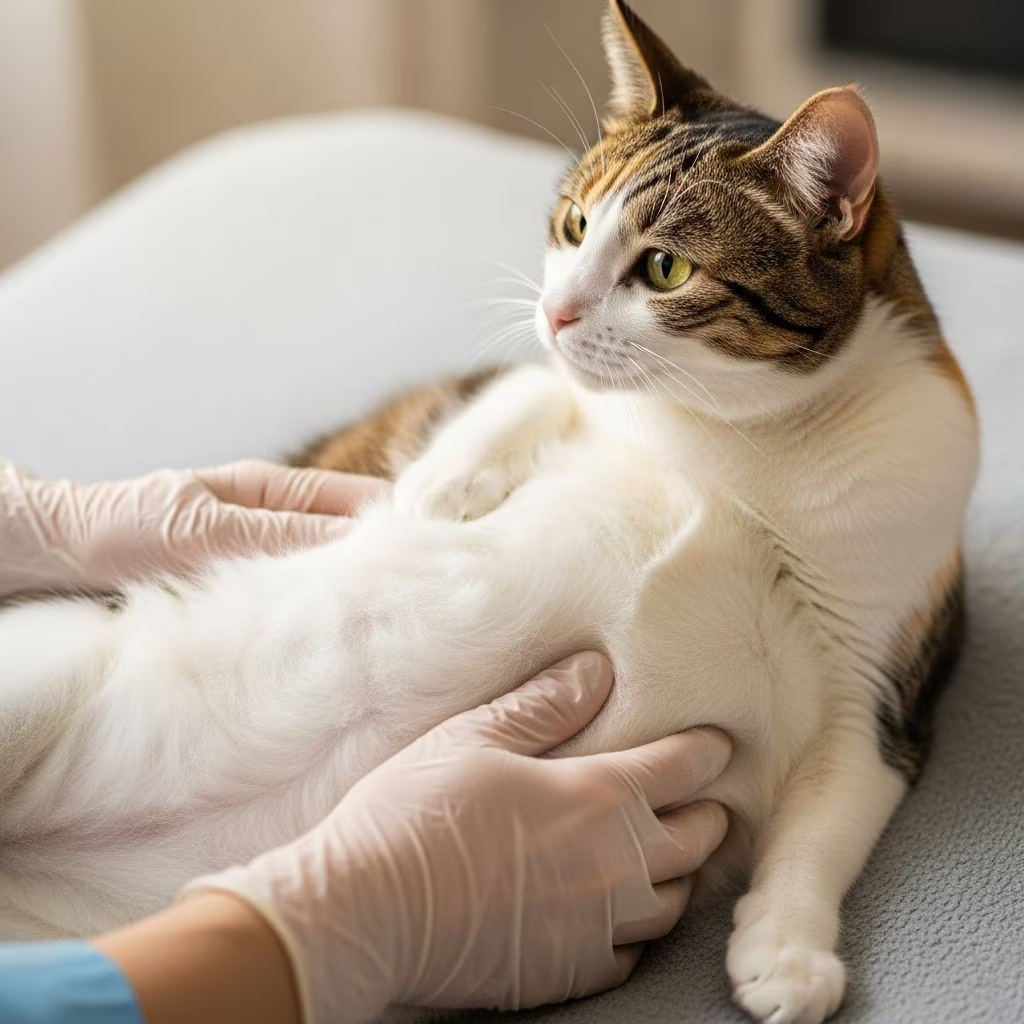
Determining whether your cat still has kittens inside after she has delivered some is crucial for her health and the kittens’ survival. Cats typically give birth to litters of 3-5 kittens over several hours, but complications like retained kittens can occur if labor stalls. Watch for ongoing contractions, vaginal discharge, and restlessness as key indicators. Always consult a vet if birth exceeds 24 hours or if no kitten emerges after an hour of straining.
Understanding Cat Pregnancy and Labor Stages
Cat pregnancy lasts about 63-65 days, divided into three trimesters. Recognizing normal progression helps identify if more kittens remain post-birth.
First Trimester (Days 1-21)
Subtle signs include nipple enlargement (pinking up) around weeks 2-3, slight appetite increase, and behavioral shifts like increased affection. No visible belly swelling yet.
Second Trimester (Days 22-42)
Abdomen swells, weight gain occurs, nipples darken and enlarge. Cats become calmer, with voracious appetite and occasional morning sickness subsiding.
Third Trimester (Days 43-65)
Belly distends significantly, kittens’ movements visible. Nesting begins, milk droplets form on nipples, and rectal temperature drops before labor.
Signs Your Cat Is Still in Labor
After delivering initial kittens, monitor for these signs indicating more are coming:
- Continued Contractions: Visible abdominal straining or panting every 10-60 minutes suggests active labor.
- Bloody Vaginal Discharge: Clear or bloody mucus is normal; dark green discharge per kitten confirms placenta passage.
- Restlessness and Pacing: Cat may lick genitals excessively, refuse food, or seek nesting spots.
- Straining Without Delivery: Over 30-60 minutes without a kitten signals potential dystocia.
- Swollen Vulva: Remains enlarged and moist if labor ongoing.
If contractions stop for over 2 hours with no further kittens, retained fetuses may cause infection.
How Long Between Kittens?
Normal interval is 10-60 minutes, but up to 2-3 hours is common if cat rests. Entire litter usually delivers in 2-6 hours, rarely exceeding 24 hours. Track time from first kitten; intervene if over 24 hours total.
| Stage | Duration | Signs |
|---|---|---|
| Stage 1 (Pre-Labor) | 12-24 hours | Restlessness, nesting, temperature drop to 99°F |
| Stage 2 (Active Birth) | 5-30 min per kitten | Straining, sac rupture, kitten delivery headfirst |
| Stage 3 (Placenta) | Minutes after kitten | Green-black placenta expulsion |
Physical Indicators After Some Kittens Are Born
Post-initial birth:
- Hard, distended abdomen: Feels lumpy if kittens remain.
- Milk leakage continues: Indicates ongoing preparation.
- No relaxation: Cat stays tense, unlike post-full delivery.
Gently palpate belly (if safe) for firmness, but avoid if cat is aggressive. Ultrasound confirms via vet.
Behavioral Changes Suggesting More Kittens
Pregnant and laboring cats exhibit:
- Increased affection early, then isolation.
- Nesting: Scratching bedding or hiding.
- Lethargy or bursts of energy pre-birth.
- Post-birth vigilance: If still laboring, she alternates nursing with straining.
When to Worry: Emergency Signs
Seek immediate vet care if:
- No kitten after 1 hour straining.
- Foul-smelling discharge or fever.
- Cat cries in pain, weak, or collapses.
- Only one placenta for multiple kittens (retained risk).
- Birth >24 hours from start.
Dystocia affects 1-2% of births; C-section may be needed.
How to Help Your Cat During Labor
Provide quiet, warm space (80-85°F) with clean towels. Do not pull kittens unless sac unbroken after 5 minutes. Clear airways by rubbing gently. Ensure one placenta per kitten.
Post-Birth Checks: Confirming All Kittens Delivered
After apparent end:
- Count placentas (match kittens).
- Monitor 4-6 hours for discharge cessation.
- Abdomen softens fully.
- Cat grooms/eats normally.
Vet x-ray if doubt; retained kittens cause metritis.
Frequently Asked Questions (FAQs)
Can a cat give birth days apart?
Rarely; intervals over 24-36 hours risk kitten death. Interrupted labor possible but monitor closely.
How do you know labor is over?
Contractions cease, cat relaxes, nurses kittens, passes all placentas, minimal discharge.
What if only 1-2 kittens born?
Litters average 4; check for more via signs above. Vet palpation/ultrasound.
Is green discharge normal?
Yes, per placenta; blackish-green. No kitten without it signals issue.
Should I count kittens beforehand?
Ultrasound at 45+ days estimates; not exact.
Preventing Future Pregnancies
Spay post-weaning (8 weeks) to avoid risks. Unspayed cats breed twice yearly.
References
- Signs That Your Cat is Pregnant — Broad Ripple Animal Clinic. 2023. https://bracpet.com/blog/signs-that-your-cat-is-pregnant/
- Cat Pregnancy: Signs, Stages and Care — PetMD. 2024-10-15. https://www.petmd.com/cat/conditions/reproductive/cat-pregnancy-and-kittens-complete-guide
- Is Your Cat Pregnant? How to Know and What to Expect — CareCredit. 2024. https://www.carecredit.com/well-u/pet-care/is-my-cat-pregnant/
- 5 Signs Your Cat is in Labor — Veterinary Emergency Group. 2023-05-20. https://www.veg.com/post/5-signs-your-cat-is-in-labor
- Is My Cat Pregnant? Signs of Pregnancy — Blue Cross. 2024. https://www.bluecross.org.uk/advice/cat/health-and-injuries/is-my-cat-pregnant
- How Long Are Cats Pregnant? — Perry Vets (Westmoreland Animal Hospital). 2024-08-30. https://www.westmorelandah.com/site/blog/2024/08/30/how-long-cats-pregnant
- Pregnant Cat Labor Signs, Behavior And Timeline — Cats.com. 2024. https://cats.com/cat-pregnancy



