

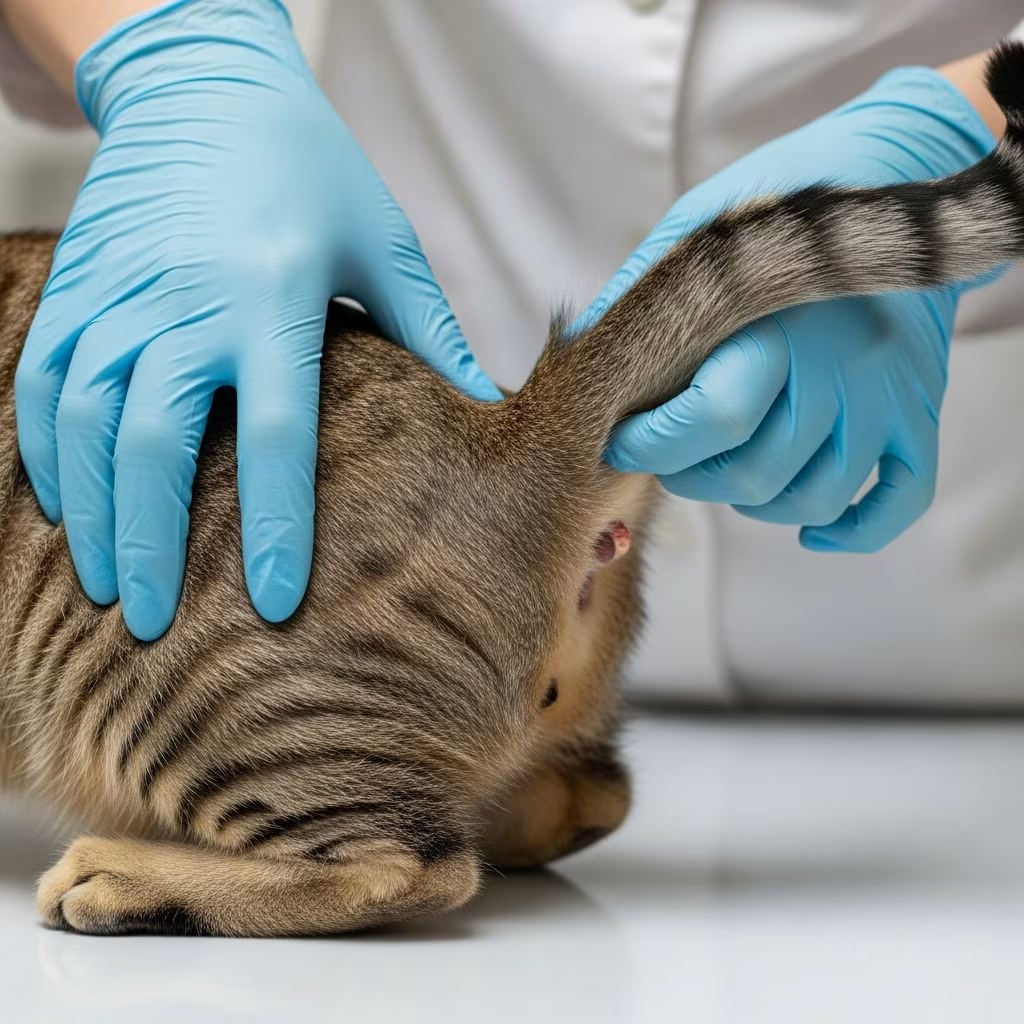
Anal glands, also known as anal sacs, are small pouches located on either side of a cat’s anus at the 4 and 8 o’clock positions. These glands produce a strong-smelling fluid used for scent marking and territory identification. In healthy cats, they naturally express during firm bowel movements, releasing fluid alongside stool without issue. However, when glands become impacted, infected, or inflamed, cats experience discomfort, leading to noticeable behavioral and physical signs. Understanding these symptoms helps owners intervene early to prevent pain, abscesses, or chronic issues.
What Are a Cat’s Anal Glands?
Cat anal glands are paired sacs flanking the rectum, secreting oily, pungent fluid rich in proteins and lipids. This secretion has a fishy or metallic odor, aiding communication among felines. Normally, pressure from defecation empties the glands automatically. Factors like soft stools, obesity, allergies, or anatomical issues can prevent proper emptying, causing buildup. Veterinary sources note that while common in dogs, anal gland problems affect cats less frequently but can lead to serious complications if ignored.
Signs Your Cat Needs Anal Glands Expressed
Observant owners spot subtle cues of anal gland distress. Cats mask pain, so early detection relies on behavior changes. Key indicators include:
- Anal scooting: Dragging hindquarters across floors to relieve itching or pressure—a classic sign, though less common in cats than dogs.
- Foul, fishy odor: Persistent bad smell from rear, even without visible leakage, signals infection or impaction.
- Excessive grooming: Over-licking or biting anus, tail base, or genitals, often causing hair loss or raw skin.
- Discomfort sitting: Reluctance to sit, straining, or vocalizing during defecation.
- Visible swelling or redness: Inflamed sacs feel like firm lumps; advanced cases show sores or blood.
- Litter box issues: Defecating outside box, constipation, or diarrhea preventing natural expression.
Not all cats show every symptom; a single persistent sign warrants attention. A brief gland odor post-startle is normal, but ongoing issues aren’t.
Common Causes of Anal Gland Problems in Cats
Several factors contribute to gland dysfunction:
- Soft stools: Lack firm pressure for expression, common with diarrhea or poor diet.
- Obesity: Excess weight alters anatomy, hindering emptying.
- Allergies or infections: Inflammation narrows ducts; bacteria cause abscesses.
- Dietary issues: Low-fiber food leads to inconsistent stools.
- Anatomical variations: Narrow ducts in some breeds predispose problems.
Untreated buildup progresses from impaction to infection, potentially rupturing into painful abscesses requiring surgery.
Can You Express Your Cat’s Anal Glands at Home?
Healthy glands self-express; routine manual expression isn’t needed and risks injury if done incorrectly. Home expression suits experienced owners with calm cats, but vets recommend professional handling to avoid trauma, infection spread, or incomplete emptying.
How to Express Cat Anal Glands Safely
If advised by a vet, follow these steps:
- Prepare: Wear gloves; use paper towels. Have cat in standing or squatting position, tail lifted.
- Locate glands: Feel pea-sized sacs at 4/8 o’clock around anus.
- Express externally: Gently squeeze sacs toward anus center with thumb/index finger. Fluid may squirt out.
- Internal if needed: Vet demos only—insert gloved finger, milk sacs outward.
- Clean up: Wipe area; monitor for 24-48 hours.
Stop if cat resists violently; seek vet. Frequency: Every 4-8 weeks for chronic cases, per professional guidance.
| Method | Pros | Cons | Best For |
|---|---|---|---|
| External Squeeze | Non-invasive, quick | May miss deep impactions | Mild cases |
| Internal Expression | Thorough emptying | Risk of injury, stress | Vet-performed |
| Vet/Groomer | Safe, checks for issues | Costs time/money | All cases |
When to See a Vet for Cat Anal Glands
Consult immediately for:
- Pain, swelling, bleeding, or abscess signs.
- Persistent symptoms post-home care.
- Frequent issues indicating underlying problems like allergies.
Vets diagnose via exam, may flush glands, prescribe antibiotics, or recommend diet changes. Chronic cases explore surgical options.
How to Prevent Anal Gland Issues in Cats
Proactive steps maintain gland health:
- High-fiber diet: Promotes firm stools for natural expression.
- Weight management: Keeps anatomy optimal.
- Regular exercise: Aids digestion.
- Pumpkin supplements: 1 tsp canned pure pumpkin daily for fiber.
- Routine checkups: Early detection during annual exams.
Monitor litter habits; soft stools signal diet tweaks.
How Often Do Cats Need Their Glands Expressed?
Most cats never need manual expression. Only those with recurrent issues (e.g., obesity, allergies) require it every 1-3 months, vet-determined. Over-expression irritates glands.
Frequently Asked Questions (FAQs)
What are the first signs of anal gland problems in cats?
Scooting, excessive licking anus/tail, foul odor, and sitting discomfort.
Is it safe to express cat anal glands at home?
Possible for pros, but risky—vets prefer professional expression to avoid harm.
Why does my cat scoot its butt?
Often blocked glands causing itch/pressure; rule out parasites/allergies.
How can I tell if cat anal glands are full?
Firm lumps beside anus, bad smell, grooming changes.
Do all cats need regular gland expression?
No, only those with issues; healthy ones self-express via defecation.
What causes recurring anal gland problems?
Soft stools, obesity, allergies, infections.
This comprehensive guide empowers cat owners to spot anal gland issues early. Prioritize vet consultation for tailored care, ensuring your feline stays comfortable and odor-free. Regular monitoring prevents escalation from minor irritation to painful infections.
References
- How do I know if my cat has anal gland issues? — Vetster. 2023. https://vetster.com/en/wellness/how-do-i-know-if-my-cat-has-anal-gland-issues
- How To Tell If A Cat Needs Anal Glands Expressed – Signs & Symptoms — Vetnique Labs. 2023. https://vetnique.com/blogs/news/how-to-tell-if-a-cat-needs-anal-glands-expressed-signs-symptoms
- When and How To Express a Cat’s Anal Glands — Rover.com. 2023. https://www.rover.com/blog/how-tell-cat-glands-need-expressed/
- How to Express Anal Glands in a Cat — PetPlace.com. 2023. https://www.petplace.com/article/cats/pet-care/how-to-express-anal-glands-in-a-cat
- Anal Sac Disease in Cats — VCA Animal Hospitals. 2023. https://vcahospitals.com/know-your-pet/anal-sac-disease-in-cats



