

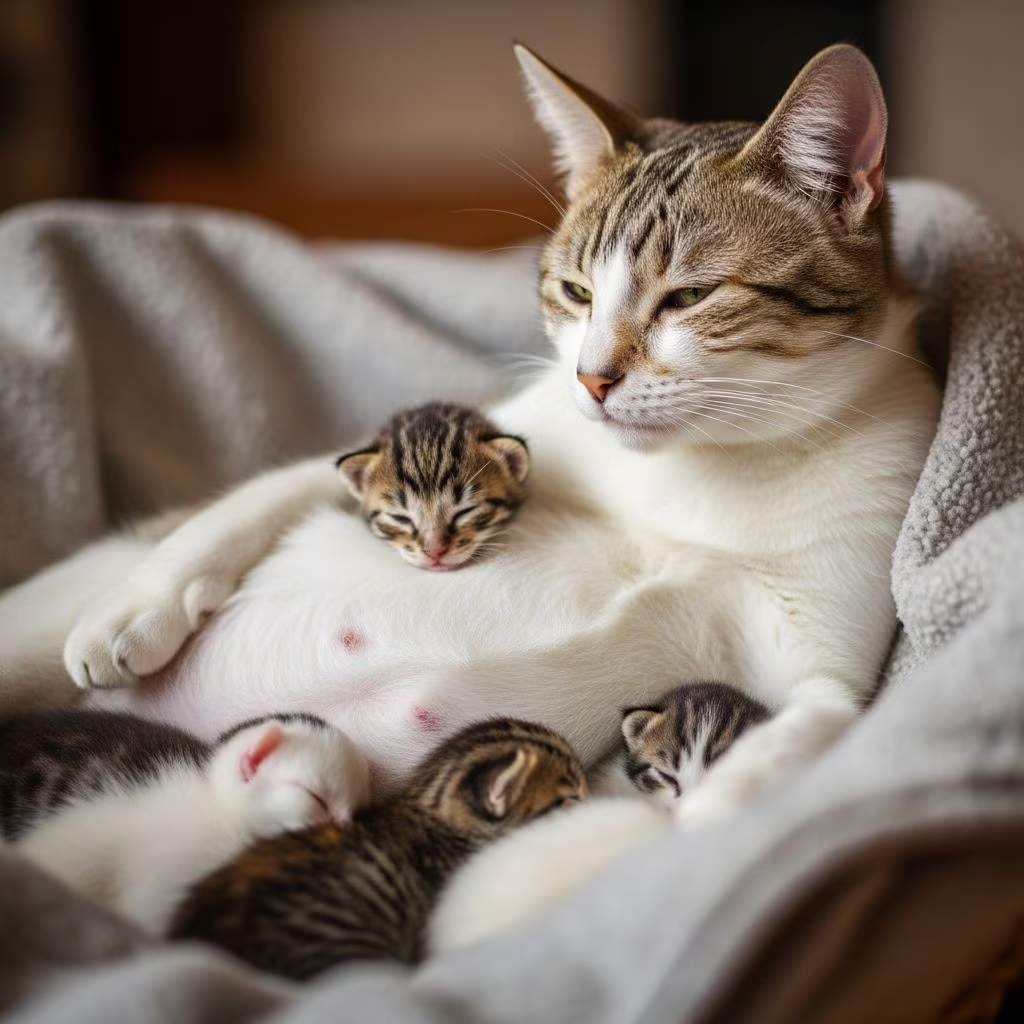
Determining whether cat mating was successful can be challenging for owners, as there are no immediate definitive signs. Cats are induced ovulators, meaning ovulation occurs after mating stimulation, but pregnancy confirmation requires observation over weeks. This guide explores immediate post-mating behaviors, early pregnancy signs, physical changes, and veterinary methods to assess success, helping you support your queen’s health throughout gestation, which lasts about 63-65 days.
Understanding the Cat Heat Cycle and Mating Behavior
The foundation of successful mating begins with the female cat’s estrus cycle, or ‘heat.’ Queens typically enter heat around 4-6 months old, with cycles repeating every 10-14 days until mating occurs. During estrus, she exhibits clear signs of readiness: increased vocalization like loud meowing or yowling, rubbing against objects, rolling on the floor, and raising her hindquarters when stroked (lordosis posture). Males show interest, confirming her fertile state.
Heat cycles cease post-mating if conception occurs, serving as an early clue—absence of heat every 10-14 days suggests pregnancy. Environmental factors like daylight influence cycles; in constant light, breeding can occur year-round.
Immediate Signs After Successful Mating
Cat mating is brief, lasting seconds to minutes, involving the tom biting the queen’s neck, mounting, and penetrating. Post-mating, the queen screams, rolls, thrashes, or strikes the male before grooming excessively—an ‘after-reaction’ lasting up to 9 minutes. She may mate repeatedly (up to 30 times) with one or multiple toms, increasing conception odds to near 100% with multiple sessions.
- Screaming and aggression: Queen vocalizes loudly and rejects further mating temporarily.
- Excessive grooming: Focuses on genital area to clean post-coitus.
- Restlessness: Rolls or paces, indicating hormonal surge.
These behaviors confirm mating occurred but not success; monitor for pregnancy signs over 2-3 weeks.
Early Pregnancy Signs (2-3 Weeks Post-Mating)
Physical changes emerge around day 15-21. Nipples enlarge, pinken (“pinking up”), and become prominent—key early indicator. Appetite surges as nutritional demands rise. Weight gain is subtle initially.
| Sign | Timeline | Description |
|---|---|---|
| Nipple changes | 2-3 weeks | Swollen, pinker, more visible |
| Increased appetite | Early gestation | Hungrier due to fetal development |
| Slight weight gain | 3+ weeks | Noticeable abdominal rounding later |
Behavioral shifts include heightened affection, more vocalization from hormones, and lethargy.
Behavioral Changes Indicating Pregnancy
Pregnant queens show distinct behaviors. Increased affection and cuddling seek comfort. Sleeping more conserves energy. Nesting begins mid-to-late gestation: seeking quiet, hidden spots, rearranging bedding. Excessive grooming targets belly and tail base.
- Affection surge: More lap time, purring.
- Nesting: Hidden birthing spots, material gathering.
- Grooming increase: Prepares for kittens.
- Vocalization: Hormonal, not heat-related.
End of heat cycles solidifies suspicion.
Physical Changes During Pregnancy
As gestation advances (63-65 days), belly distends around week 4, with swollen mammary glands. By week 5-6, fetal movement may be visible. Fur may soften; some queens lose appetite late-term.
Monitor for complications: poor nutrition risks weak kittens; regular vet checks essential. Feed kitten/pregnant cat food for extra calories/protein.
Veterinary Confirmation of Pregnancy
Self-observation has limits; vets confirm via:
- Ultrasound: Detects from day 21.
- Palpation: Feels fetuses week 3+.
- Progesterone test: Verifies ovulation.
- X-ray: Late-term for kitten count.
Consult if signs absent by week 4 or distress noted.
Preparing for Kittens: What to Expect
Gestation: 63-65 days. Stages: embryonic (weeks 1-2), fetal development (3-9). Labor signs: nesting intensification, milk drop, restlessness. Provide quiet nest, nutrition, warmth.
Post-birth: Monitor queen/kitten health; intervene for issues like dystocia.
Frequently Asked Questions (FAQs)
Q: How soon can I confirm cat pregnancy?
A: Signs appear 2-3 weeks; vet ultrasound confirms at 3 weeks.
Q: What to feed pregnant cat?
A: High-quality kitten or gestation food for nutrients.
Q: Normal for more vocal post-mating?
A: Yes, hormonal; consult vet if excessive.
Q: Heat cycle stop means pregnant?
A: Strong indicator if mated; confirm with vet.
Q: Multiple mates affect litter?
A: Yes, different fathers possible per kitten.
Conclusion
Successful cat mating shows through post-mating reactions, then pregnancy signs like nipple changes, appetite increase, and behaviors. Veterinary input ensures health. Responsible breeding prioritizes welfare.
References
- How can I know if my cats mated successfully? — Dial A Vet. 2023. https://www.dialavet.com/vet-answers/post/cat-mating-signs-behavior-49678
- All You Need to Know About Breeding Timing in Cats — PetCareRx. 2023. https://www.petcarerx.com/article/all-you-need-to-know-about-breeding-timing-in-cats/5361
- How To Tell If Cat Mating Was Successful? — LearnToDIY360 (YouTube). 2025-01-06. https://www.youtube.com/watch?v=NFyhU3AqKv4
- Breeding Timing in Cats — PetMD. 2023. https://www.petmd.com/cat/conditions/reproductive/c_ct_breeding_timing
- Understanding Cat Mating Behavior and Reproduction — PetPlace.com. 2023. https://www.petplace.com/article/cats/pet-health/cats-and-mating



