

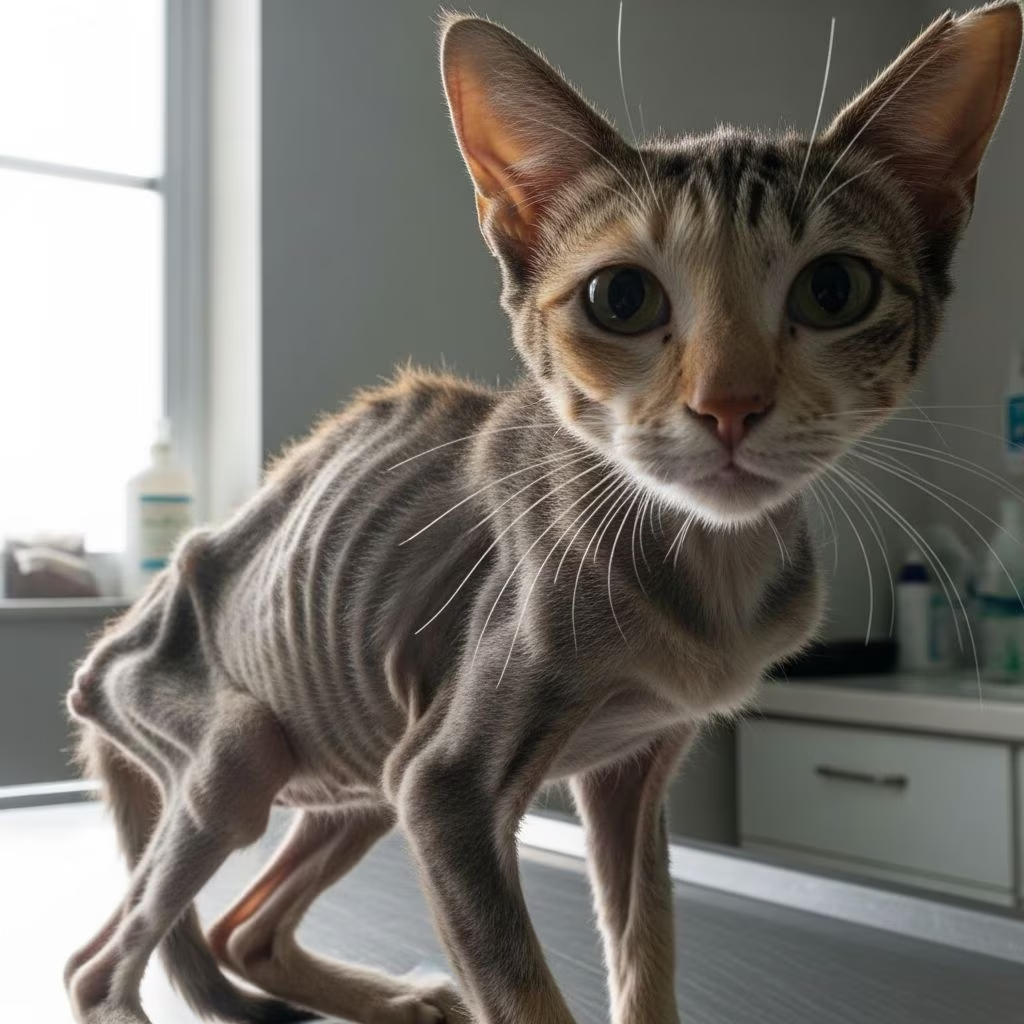
Determining if your cat is underweight involves more than just glancing at their size; it requires hands-on assessment and awareness of subtle signs. Underweight cats often show visible bones, dull coats, and low energy, signaling potential health issues that need prompt attention.
Regular body condition scoring helps cat owners monitor weight effectively, preventing complications like weakened immunity or organ problems. This article covers physical signs, causes, risks, assessment methods, and recovery steps to ensure your cat thrives.
Signs Your Cat Is Underweight
Spotting an underweight cat starts with visual and tactile checks. Healthy cats have a light fat layer over bones, but underweight ones feel bony and look gaunt.
- Visible ribs: Ribs protrude prominently, easily seen and felt without much pressure.
- Prominent spine and hips: The backbone and pelvic bones stand out under the fur, especially when viewed from above or the side.
- Extreme waist and tucked abdomen: An hourglass figure from above and a steep upward slope of the belly from the side indicate fat loss.
- Dull, matted coat: Lack of shine and poor grooming due to nutrient deficiencies.
- Lethargy and low energy: Reduced playfulness, avoidance of activity, and overall weakness.
Behavioral shifts like increased vocalization, irritability, or seeking extra attention often accompany these physical cues, as malnutrition affects mood and comfort.
Cat Body Condition Score (BCS): The Best Way to Assess Weight
The **Body Condition Score (BCS)** is a standardized 9-point scale used by vets to evaluate feline weight objectively, more reliable than scales alone. It combines sight and touch for accuracy across breeds.
| BCS | Description | Visual/Tactile Signs |
|---|---|---|
| 1-2 (Emaciated) | Severely underweight | Ribs, spine, hips sharply visible; no fat; severe muscle loss; starvation-like appearance. |
| 3-4 (Underweight) | Thin | Ribs easily felt/seen; obvious waist; tucked abdomen; bones prominent with minimal fat. |
| 5 (Ideal) | Healthy | Ribs palpable with light fat cover; waist visible; slight abdominal rounding. |
| 6-9 (Overweight/Obese) | Too heavy | Ribs hard to feel; no waist; distended belly. |
To score your cat: Run hands along ribs, spine, and hips. View from above (hourglass waist in thin cats) and side (tucked belly). BCS under 5 warrants concern; scores 1-4 often need vet exams.
Why Is My Cat Underweight? Common Causes
Sudden or gradual weight loss stems from various factors. Cats losing over 10% body weight require immediate vet checks.
- Medical conditions: Hyperthyroidism, diabetes, kidney disease, or gastrointestinal issues like IBD cause rapid loss despite eating.
- Parasites: Worms like roundworms lead to pot-bellied yet bony appearance.
- Dental problems: Painful teeth or gums reduce eating.
- Stress or age: Environmental changes, multi-cat homes, or senior muscle loss (from age 12).
- Poor diet: Inadequate calories, malabsorption, or vomiting/diarrhea.
Chronic illness shows subtle loss along ribs/spine; sudden drops signal metabolic diseases.
Risks and Health Complications of an Underweight Cat
Underweight cats face serious risks beyond aesthetics. Malnutrition weakens defenses, leading to:
- Weakened immune system: Higher infection susceptibility.
- Hepatic lipidosis: Life-threatening fat buildup in liver, common in obese cats suddenly losing weight.
- Musculoskeletal issues: Muscle loss causes mobility problems and pain.
- Organ dysfunction: Heart, liver, or kidney strain from nutrient deficits.
- Behavioral changes: Anxiety, aggression, or depression from poor nutrition.
Early detection prevents escalation; untreated cases can be fatal.
When to See a Vet for Underweight Cats
Consult a vet immediately if you notice BCS under 5, sudden loss, or symptoms like vomiting, diarrhea, or appetite changes.
- Sudden/significant weight loss despite normal eating.
- Lethargy, poor coat, or behavioral shifts.
- Visible bones in young/active cats.
- Any vomiting, diarrhea, or pot-bellied look.
Vets perform exams, bloodwork, and fecal tests to diagnose causes like thyroid issues or parasites. Provide details on diet, symptoms, and changes for accurate diagnosis.
How to Help an Underweight Cat Gain Weight Safely
Weight gain must be gradual and vet-supervised to avoid refeeding syndrome or hepatic lipidosis.
Step 1: Vet Diagnosis and Treatment
Address underlying issues first—deworming, meds for hyperthyroidism, etc.
Step 2: High-Calorie, Nutrient-Dense Diet
- Switch to kitten food or recovery formulas (high protein/fat).
- Feed small, frequent meals (4-6 daily) to boost intake.
- Add wet food toppers like fish oil or nutrical paste.
Step 3: Feeding Tips
- Warm food to enhance aroma/appetite.
- Use puzzle feeders for mental stimulation.
- Reduce stress with safe spaces.
Step 4: Monitor Progress
Weigh weekly; aim for 1-2% body weight gain per week. Recheck BCS monthly.
Avoid force-feeding; focus on palatable, balanced nutrition.
Preventing Underweight Issues in Cats
Proactive care keeps cats at ideal BCS:
- Annual vet checkups with weight tracking.
- Consistent high-quality diet matched to life stage.
- Monitor for early signs like appetite dips.
- Spay/neuter to stabilize metabolism.
- Encourage play for muscle maintenance.
Frequently Asked Questions (FAQs)
What does an underweight cat look like?
Ribs, spine, and hips are visible/prominent; extreme waist; no fat layer; dull coat.
Is it normal for older cats to be skinny?
Seniors may lose muscle from age 12, but bony prominence needs vet check for diseases.
How much weight loss is concerning?
Over 10% body weight; always assess with BCS.
Can underweight cats recover fully?
Yes, with vet treatment and proper nutrition, most regain health.
Why is my cat underweight but eating?
Possible hyperthyroidism, parasites, or malabsorption—see vet.
References
- Symptoms of Underweight Cats and Dogs — PetCareRx. 2023. https://www.petcarerx.com/article/how-to-know-if-your-pet-is-underweight/613
- Skinny Cat Signs: Recognizing When Your Cat Is Too Thin — Under the Weather Pet. 2024. https://www.undertheweatherpet.com/blogs/under-the-weather/skinny-cat-signs-recognizing-when-your-cat-is-too-thin
- How to Tell if Your Cat is Underweight and What to Do About It — Closer Pets. 2023. https://closerpets.com/blogs/news/underweight-cats
- Is My Cat Too Skinny? — 441 Animal Hospital. 2024. https://441animalhospitalboca.com/blog/cat-too-skinny/
- Cat Body Condition Score — PetMD. 2024. https://www.petmd.com/cat/nutrition/evr_multi_is_my_cat_fat_overweight
- Recognizing the Signs of Illness in Cats — VCA Animal Hospitals. 2024. https://vcahospitals.com/know-your-pet/recognizing-signs-of-illness-in-cats
- Underweight cats – A complete guide to help them gain weight — Bella & Duke. 2023. https://www.bellaandduke.com/cats/expert-advice/cat-health/underweight-cats-a-complete-guide-to-help-them-gain-weight/



