

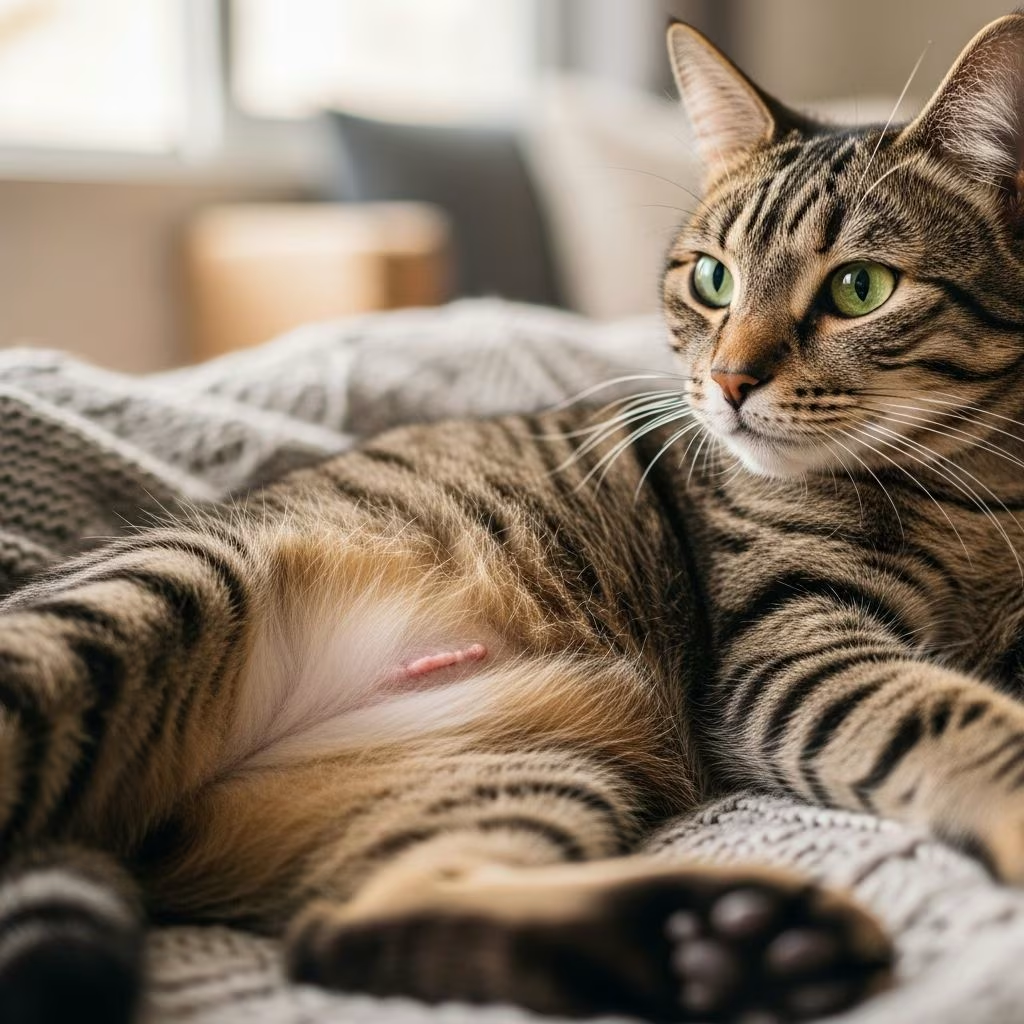
Determining whether your cat is spayed is crucial for responsible pet ownership, as it impacts health monitoring, behavior management, and preventing unwanted litters. Spaying, the surgical removal of a female cat’s ovaries and uterus, is a common procedure recommended by veterinarians to reduce cancer risks and curb behaviors like yowling in heat. This comprehensive guide outlines physical, behavioral, and professional methods to identify if your cat has undergone this procedure, helping you make informed decisions about her care.
Why Knowing If Your Cat Is Spayed Matters
Spaying offers lifelong benefits, including elimination of heat cycles, reduced mammary cancer risk, and prevention of pyometra—a potentially fatal uterine infection. Unspayed cats exhibit distinct signs of estrus, such as increased vocalization and rubbing, which cease post-surgery. Confirming spay status also aids in addressing issues like urine marking, more common in intact females under stress. Early knowledge prevents accidental breeding and supports tailored healthcare.
Physical Signs to Check If Your Cat Is Spayed
Inspecting your cat’s body reveals reliable indicators of spaying. Always handle gently to avoid stress, and consider sedation if your cat is uncooperative. Key areas include the abdomen, nipples, and ears.
Abdominal Scar
The most direct evidence is a surgical scar on the lower abdomen, typically 1-2 inches near the midline. In traditional spays, it’s a straight line; laparoscopic methods may leave smaller dots. Scars fade over time but remain visible, especially in younger cats or lighter fur. Shave the area if fur obscures it, and note any shaved patches from recent surgery.
Spay Tattoo or Microchip
Many clinics mark spayed cats with a green tattoo—often a line or arrow—inside the ear pinna or on the abdomen post-surgery. This high-contrast ink confirms sterilization. Microchips, subcutaneous ID pellets, are also common, scannable by vets. Absence doesn’t rule out spaying, as not all facilities use tattoos.
Nipple and Vulva Appearance
Spayed cats retain eight nipples, but unspayed ones may show enlarged, pinker nipples during heat. Post-spay, nipples normalize to small and pale. The vulva shrinks from swollen (in heat) to a small slit, lacking discharge. These changes stabilize 4-6 weeks post-surgery.
- Pro Tip: Compare to photos of intact vs. spayed anatomy for accuracy.
- Consult a vet for ambiguous cases.
Behavioral Indicators of a Spayed Cat
Intact females display cyclical behaviors absent in spayed cats. Observing over weeks provides clues, though stress can mimic some traits.
Absence of Heat Cycles
Unspayed cats enter heat every 2-3 weeks in breeding season (spring-fall), lasting 4-10 days. Signs include loud yowling, rolling, elevated hindquarters (lordosis), and urine spraying with pheromones signaling receptivity. Spayed cats lack these entirely, showing calmer demeanor year-round.
Reduced Marking and Aggression
Intact cats mark territories with pungent urine or cheek-rubbing due to pheromones. Spaying reduces this by 90-95%, though 5% of spayed females may continue if anxious. No tomcat attraction or roaming occurs post-spay.
| Behavior | Intact Female | Spayed Female |
|---|---|---|
| Heat Cycles | Frequent yowling, rolling | None |
| Urine Marking | Common, strong odor | Rare |
| Male Attraction | Males gather, fight | No interest |
| Aggression | Toward other females | Minimal |
Veterinary Confirmation Methods
For definitive answers, professional checks surpass home methods.
Vet Physical Exam and Ultrasound
Vets palpate the abdomen for absent ovaries/uterus and use ultrasound to visualize internal structures. No reproductive tract confirms spaying. Blood tests measure hormone levels—low progesterone indicates spay.
Medical Records Review
Check adoption papers, microchip databases, or shelter records. Prior owners or breeders may provide history.
Common Myths About Identifying Spayed Cats
Myth 1: All spayed cats have bald patches—false; fur regrows fully.
Myth 2: Weight gain proves spaying—no, diet causes it.
Myth 3: No scar means not spayed—laser surgeries leave none.
What If Your Cat Isn’t Spayed?
Consider spaying if healthy; benefits outweigh risks like minor anesthesia. Discuss timing—kittens at 8-12 weeks or adults. Post-op care includes cone collars, quiet recovery, and stitch checks.
Frequently Asked Questions (FAQs)
Can you tell if a cat is spayed by looking at its belly?
Yes, check for a faint scar midline on the abdomen, common from traditional spay incisions.
Do spayed cats still go into heat?
No, spaying removes ovaries, eliminating heat cycles permanently.
What does a spay tattoo look like?
Typically a green line or arrow inside the ear or on the belly.
Is it safe to spay an older cat?
Yes, with vet approval; benefits persist regardless of age.
Why does my spayed cat still spray urine?
Rare (5% cases); could be stress, medical issues, or incomplete spay—vet check needed.
Conclusion
Combining physical exams, behavior observation, and vet input ensures accurate spay status determination. Proactive care promotes your cat’s well-being.
References
- Cat Behavior Problems – Marking and Spraying Behavior — VCA Animal Hospitals. 2023-05-15. https://vcahospitals.com/know-your-pet/cat-behavior-problems-marking-and-spraying-behavior
- Spaying in Cats — Merck Veterinary Manual. 2024-01-10. https://www.merckvetmanual.com/cat-owners/routine-care-and-breeding-of-cats/spaying-in-cats
- Feline Ovariohysterectomy — American Animal Hospital Association. 2023-11-20. https://www.aaha.org/resources/2023-aaha-feline-life-stage-guidelines/ovariohysterectomy/
- Benefits of Spaying and Neutering — ASPCA. 2024-02-05. https://www.aspca.org/pet-care/cat-care/spay-neuter
- Urine Marking in Cats — Cornell University College of Veterinary Medicine. 2023-08-12. https://www.vet.cornell.edu/departments-centers-and-institutes/cornell-feline-health-center/health-information/feline-health-topics/urine-marking-cats



