

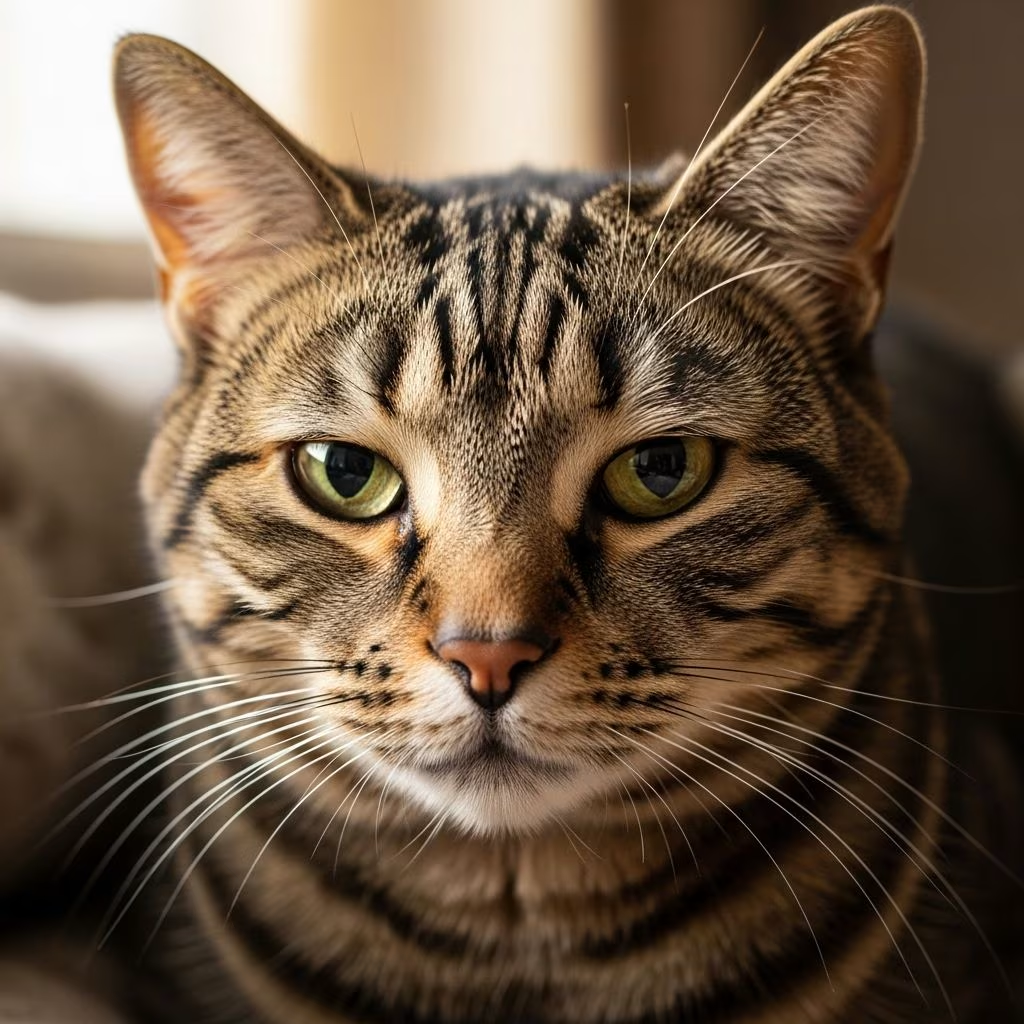
How to Tell If Your Cat Is Sick: A Comprehensive Guide
Cats are notorious for hiding signs of illness and pain, making it challenging for pet owners to recognize when something is wrong. Unlike dogs or humans, cats have evolved to conceal their discomfort as a survival mechanism. Understanding the subtle changes in your cat’s behavior, appearance, and habits is crucial to catching health problems early and ensuring your feline companion receives prompt veterinary care. This guide will help you identify the warning signs that indicate your cat may be sick.
Understanding Your Cat’s Normal Baseline
Before you can identify when your cat is ill, you need to understand what “normal” looks like for your individual pet. Each cat has unique personality traits, activity levels, eating habits, and bathroom routines. By establishing a baseline of your cat’s typical behavior and physical condition, you’ll be better equipped to spot deviations that may signal illness.
A healthy cat typically has a body condition where the ribs and spine are easily felt but not visibly prominent, with a tucked waist and belly. Their eyes should be bright and clear without discharge, ears should be clean and alert, and their coat should be shiny and well-groomed. Knowing these normal characteristics helps you recognize when something has changed.
Behavioral Changes That Signal Illness
One of the most telling indicators that your cat is unwell is a change in behavior or personality. Cats that are ill typically become withdrawn and may hide more than usual, though this varies depending on individual personality. Some cats become clingy and demand more attention, while others become irritable or cranky.
Key behavioral changes to monitor include:
- Lethargy and low energy: Your cat may sleep more than usual, show decreased interest in playing, or seem generally unmotivated. Some cats may appear restless or uncomfortable.
- Changes in social interaction: A sick cat may interact less with family members, seem confused or disoriented, or display unusual vocalization patterns such as excessive meowing or whimpering without apparent reason.
- Altered sleep patterns: Notice if your cat’s sleeping habits have changed significantly, or if they seem restless at night.
- Hyperactivity: In some cases, particularly with conditions like hyperthyroidism, a cat’s energy level may increase abnormally, with the cat becoming restless and vocal at night.
Physical Appearance and Coat Condition
A cat’s coat and overall appearance can reveal much about their health status. Cats that are not feeling well typically neglect grooming, resulting in a messy, greasy, or matted coat. You may notice clumps of loose hair, increased dandruff, or a loss of the coat’s usual shine.
Other appearance-related signs include:
- Excessive shedding beyond normal seasonal patterns
- Patchy fur or bald spots from over-grooming or skin irritation
- Dull, dirty, or unkempt fur
- Visible weight loss or weight gain
Changes in Appetite and Thirst
Alterations in eating and drinking habits are among the most common indicators of feline illness. Any significant change in your cat’s appetite or water consumption warrants attention from a veterinarian.
Decreased appetite or thirst: Cats with liver or kidney problems, dental disease, or other systemic illnesses often lose their appetite. A cat that refuses food for 24 hours or hasn’t drunk water in 24 hours requires immediate veterinary attention.
Increased appetite or thirst: Conversely, cats with metabolic diseases such as hyperthyroidism or diabetes mellitus may eat more than usual and drink significantly more water. Some cats may eat or drink excessively due to stress or other conditions.
Behavioral changes while eating: Cats with dental disease may become picky eaters, dropping food or showing reluctance to eat hard kibble. You may also notice drooling, clawing at the mouth, or bad breath, all signs of oral health issues.
Litter Box Changes and Urinary Symptoms
Changes in litter box habits are critical warning signs that should never be ignored. The litter box is one of the easiest places to monitor your cat’s health, as it reveals information about their digestive and urinary systems.
Urine-related changes:
- Increased frequency of urination or unusually large amounts of urine in the litter box
- Straining to urinate or crying while urinating
- Urinating outside the litter box
- Blood in the urine
- Not urinating normally for 24 hours (emergency situation)
Fecal changes:
- Diarrhea or loose stools
- Constipation or straining to defecate
- Small, hard, dry stools, which may indicate early kidney disease
- Blood or worms visible in stool
- Inability to defecate normally for extended periods
Urinary tract disease is particularly common in cats and can be life-threatening if left untreated. Symptoms include straining to urinate, increased urination frequency, crying or licking at the genitals, and loss of appetite.
Respiratory and Physical Symptoms
Changes in breathing, coughing, sneezing, or unusual sounds from your cat warrant veterinary evaluation. Respiratory symptoms may indicate infections, heart disease, or other serious conditions.
Warning signs include:
- Coughing or sneezing
- Wheezing or abnormal breathing sounds
- Panting or open-mouth breathing
- Rapid breathing or shortness of breath
- Breathing faster than usual
Mobility Problems and Pain Indicators
Cats with arthritis, injuries, or other orthopedic conditions often display movement changes. Difficulty moving may be subtle at first but becomes more apparent over time.
Signs of mobility issues and pain include:
- Difficulty jumping to furniture or beds
- Limping or holding a body part in an unusual way
- Stiffness, especially when rising from rest
- Inability to use back legs (requires immediate veterinary attention)
- Hiding due to pain, unusual quietness, or vocalizing in distress
- Reluctance to be picked up or handled
Eye, Ear, and Nasal Discharge
Any discharge from the eyes, ears, or nose is abnormal in a healthy cat and indicates a need for veterinary evaluation.
Eye symptoms:
- Discharge that is green, yellow, or white
- Droopy eyelids or squinting
- Dilated or constricted pupils, or one pupil larger than the other
- Elevated third eyelid covering part of the eyeball
- Eye injuries or cloudiness
Ear and nasal symptoms:
- Ear discharge or debris in the ears
- Foul odor from the ears
- Runny nose or nasal discharge
- Sneezing or excessive mucus
Gastrointestinal Symptoms
Vomiting, while sometimes dismissed as minor, can indicate serious health problems in cats. Pay attention to the frequency and nature of vomiting episodes.
- Frequent vomiting beyond occasional hairballs
- Vomiting of clear foamy fluid or bile-tinged material (yellow or green)
- Vomiting accompanied by loss of appetite
Oral Health and Breath Odor
Bad breath is never normal in cats and often indicates dental disease or other health issues. Dental problems can prevent cats from eating properly and lead to systemic infections if untreated.
Oral health warning signs include:
- Bad breath or unusual body odor
- Visible tartar buildup on teeth
- Bleeding gums or sores in the mouth
- Teeth that appear broken or loose
- Excessive salivation
- Reluctance to eat or difficulty chewing
Signs Requiring Immediate Emergency Care
Certain symptoms demand immediate veterinary attention and should not be delayed:
- No food or water intake for 24 hours
- No normal urination for 24 hours
- Straining but unable to urinate or defecate normally
- Eye injuries or third eyelid covering the eye
- Panting or breathing faster than usual
- Inability to use back legs
- Pale, yellow, or bluish gums or skin (indicating anemia, jaundice, or lack of oxygen)
- Sudden collapse or episodes of weakness
- Tremors or episodes of shaking
- Circling, head tilts, or repetitive movements suggesting neurological issues
Physical Examination Indicators
Beyond behavioral observations, certain physical findings during home examination may indicate illness. Check your cat’s:
- Body temperature, pulse, and respiration (TPR): Changes in these vital signs can indicate fever or other systemic problems.
- Skin condition: Look for skin tenting (skin that doesn’t return to normal quickly when gently pulled), which may indicate dehydration.
- Gum color: Healthy gums should be pink and moist. Pale, white, yellow, or bluish gums indicate serious health concerns.
- Capillary refill time: Press your cat’s gum with your finger—the color should return in less than two seconds. Slower refill indicates poor circulation.
Frequently Asked Questions
Q: How often should I check my cat’s health at home?
A: Perform basic observations daily, including monitoring eating habits, litter box use, activity level, and coat condition. Do a more thorough physical examination weekly or monthly, depending on your cat’s age and health status.
Q: My cat is hiding more than usual but seems to eat normally. Should I be concerned?
A: Yes. Increased hiding is often an early sign of illness, even if other behaviors seem normal. Cats hide pain and discomfort effectively. Contact your veterinarian if the behavior persists for more than a day or two.
Q: What should I do if I notice my cat straining in the litter box?
A: Straining to urinate or defecate can indicate serious conditions like urinary tract infections, kidney disease, or blockages. This requires prompt veterinary evaluation, especially if your cat cannot urinate or defecate normally within 24 hours.
Q: Are there any symptoms I should always treat as emergencies?
A: Yes. Inability to urinate or defecate, not eating for 24 hours, difficulty breathing, inability to use hind legs, pale or yellow gums, eye injuries, and sudden collapse all require immediate emergency veterinary care. Do not wait—these conditions can be fatal.
Q: How can I help my veterinarian during a sick cat visit?
A: Provide detailed information about when symptoms started, specific changes you’ve noticed, changes in appetite and thirst, litter box habits, and any environmental stressors. The more information you provide, the better your veterinarian can diagnose the problem.
References
- Recognizing the Signs of Illness in Cats — VCA Animal Hospitals. 2024. https://vcahospitals.com/know-your-pet/recognizing-signs-of-illness-in-cats
- Signs of Illness in Cats — Banfield Pet Hospital. 2024. https://www.banfield.com/Wellness-at-banfield/kitten-hub/signs-of-illness
- Cat Health Checklist: What is Your Cat’s Normal? — Vetster. 2024. https://vetster.com/en/wellness/cat-health-checklist-what-is-your-cat-s-normal
- Symptom Checklist for Senior Cats — Montgomery Animal Hospital. 2024. https://montgomeryanimal.com/symptom-checklist-for-senior-cats/
- Feline Urinary Tract Disease: Early Detection Checklist — Regal Veterinary Clinic. 2024. https://regalvetclinic.com/uploads/SiteAssets/913/files/forms/Regal_Vet-Feline-Kit.pdf
- The Cat Health Checklist: Everything You Need to Know — Purina UK. 2024. https://www.purina.co.uk/articles/cats/health/daily-care/general-cat-health-tips



