

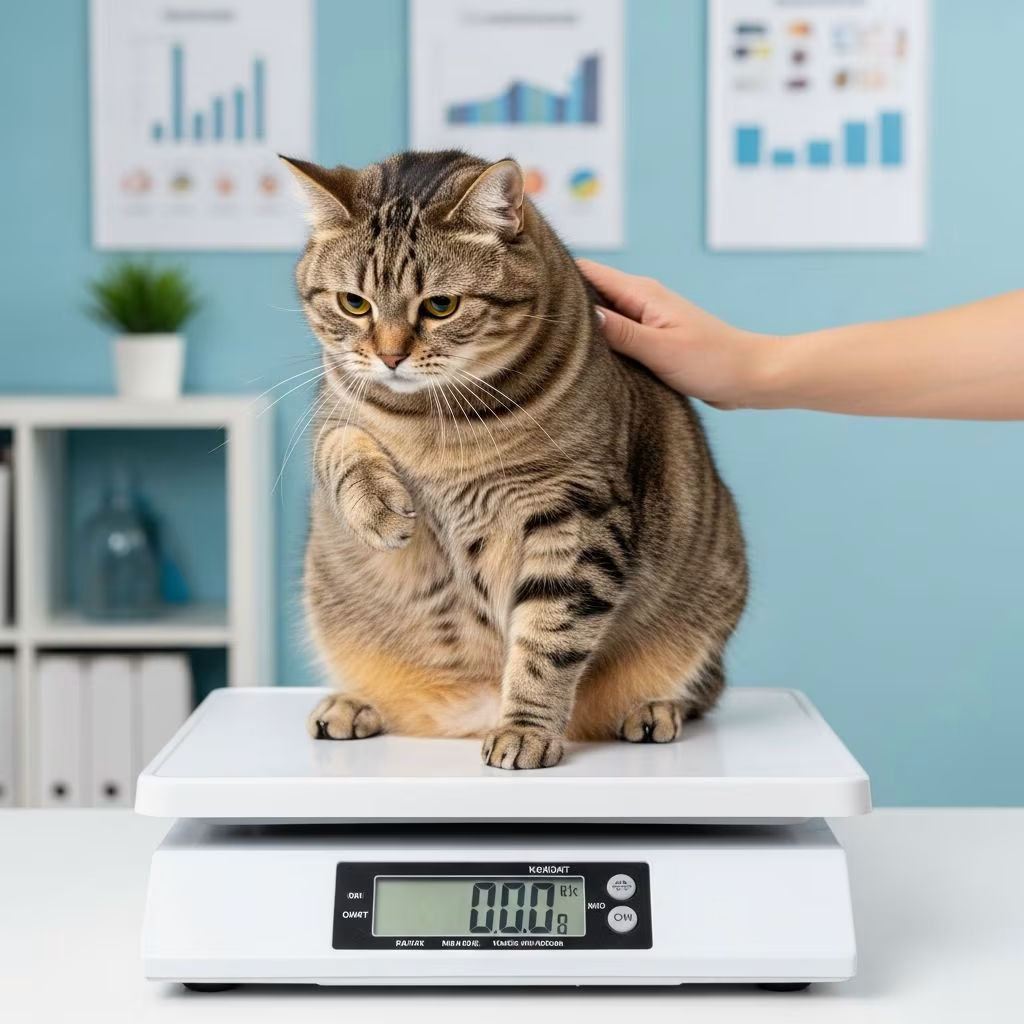
Obesity affects around 60% of cats in the United States, making it a widespread issue among domesticated felines. Recognizing the signs early can prevent serious health complications and improve your cat’s quality of life. This article outlines four key vet-reviewed indicators to determine if your cat is carrying excess weight, associated health risks, and practical steps for management.
How Can I Tell if My Cat Is Overweight?
Determining if your cat is overweight starts with understanding their ideal body weight, which varies by breed, age, sex, and frame. Most cats should weigh between 7–12 pounds, but breeds like the Birman or Ragamuffin may naturally be larger and more big-boned. Long, lean breeds differ from stockier ones, so consult your veterinarian for a precise ideal range. A cat is classified as overweight if 10–20% above ideal weight and obese if over 20%.
1. Rib Cage
The rib cage test is a simple, reliable method recommended by the Cummings School of Veterinary Medicine. Run your fingers along your cat’s sides—the ribs should feel like the back of your hand, with a thin layer of fat cover, not buried under thick padding. If you can’t feel them without pressing firmly, your cat is likely overweight. Inability to feel them at all often indicates obesity.
- Lean cat: Ribs palpable with slight fat cover.
- Overweight cat: Ribs felt with moderate pressure.
- Obese cat: Ribs not detectable without deep digging.
This hands-on approach works well for all coat lengths and is a cornerstone of the Body Condition Score (BCS) system.
2. Inspect the Waistline
View your cat from above while standing. A healthy cat shows a distinct waistline with a slight inward curve just behind the ribs, above the hips. No indentation or bulging sides suggest excess fat. This visual cue is easier on short-haired cats; for long-haired ones, combine with the rib test.
From the side, an overweight cat appears rectangular rather than hourglass-shaped, lacking the abdominal tuck. Regular monitoring helps catch gradual gains.
3. Trouble Jumping
Cats are natural athletes, excelling at jumping due to their agile build. If your cat hesitates, makes multiple attempts to reach counters or cat trees, or abandons jumping altogether, excess weight may be the culprit. Carrying extra pounds strains joints and reduces mobility, leading to avoidance of favorite perches.
Observe during play: Short bursts of energy followed by fatigue signal overweight issues. Indoor lifestyles exacerbate this, as less activity fails to burn calories.
4. Use an Overweight Cat Chart
Body Condition Score (BCS) charts provide a standardized 5- or 9-point scale to objectively assess weight. Ideal is 4–5/9: ribs palpable, waist visible, abdominal tuck present.
| BCS Score | Description | Visual/Feel |
|---|---|---|
| 1–3 (Underweight) | Ribs highly prominent, no fat, severe waist tuck | Emaciated appearance |
| 4–5 (Ideal) | Ribs palpable, waist and tuck visible | Hourglass shape from above/side |
| 6–7 (Overweight) | Ribs felt with pressure, no waist, slight belly | Rectangular profile |
| 8–9 (Obese) | Ribs buried, no waist/tuck, large fat deposits | Round, bulging body |
Printable BCS charts from vet sources help track progress over time.
What Health Problems Are Associated With an Overweight Cat?
Overweight cats face elevated risks for numerous conditions, shortening lifespan and reducing quality of life. Studies show a 2.8-fold mortality increase in obese cats aged 8–12. Excess fat promotes chronic inflammation via hormones, exacerbating diseases.
- Diabetes: Obesity impairs insulin function; common in overweight felines.
- Arthritis/Osteoarthritis: Extra weight stresses joints, causing pain and mobility loss.
- Liver Disease (Hepatic Lipidosis): Fat accumulation in liver from rapid weight issues.
- Pancreatitis & GI Problems: Digestive strain from poor diet and inactivity.
- Urinary Issues: Obese males prone to urethral obstruction due to fat pressure and dry food diets.
- Skin Issues & Cancer: Fold infections, reduced grooming, tumor risks.
- Mobility & Depression: Fatigue leads to lethargy and behavioral changes.
- Renal Disease & Heart Strain: Increased workload on organs.
Preventive monitoring is key, as obesity compounds existing conditions.
How to Help Your Overweight Cat Lose Weight
Weight loss requires a vet-guided plan: 1–2% body weight reduction weekly to avoid hepatic lipidosis. Combine diet, exercise, and monitoring.
Diet Adjustments
Switch to vet-recommended low-calorie, high-protein formulas meeting AAFCO standards. Measure portions precisely—overfeeding treats is common.
- Reduce calories by 20–30% initially.
- Use puzzle feeders for mental stimulation and slower eating.
- Avoid free-feeding; schedule 2–3 meals daily.
- Hydrate with wet food to aid satiety.
Exercise Tips
Encourage 20–30 minutes daily activity. Indoor cats benefit from interactive toys.
- Cat trees, scratching posts for climbing.
- Laser pointers, feather wands for chasing.
- Treat-dispensing puzzles burn calories.
- Multiple short play sessions mimic hunting.
Track progress with monthly weigh-ins and BCS checks. Patience yields results—obese cats may need 6–12 months.
Frequently Asked Questions (FAQs)
Q: What is the ideal weight for a cat?
A: Typically 7–12 pounds, varying by breed, sex, and frame. Consult a vet for specifics.
Q: How much should an overweight cat lose per week?
A: 1–2% of body weight safely, under vet supervision to prevent complications.
Q: Can long-haired cats hide overweight signs?
A: Yes, fur obscures waistlines, so rely on rib palpation and BCS charts.
Q: Why do indoor cats get overweight more easily?
A: Lower activity levels without adjusted calories lead to surplus intake.
Q: Is obesity linked to shorter lifespan in cats?
A: Yes, obese cats show 2.8x higher mortality risk between ages 8–12.
References
- How to Tell If Your Cat Is Overweight: 4 Vet-Reviewed Signs — Catster. 2018 (updated contextually relevant). https://www.catster.com/cat-health-care/how-to-tell-if-cat-is-overweight/
- How to Put Your Cat on a Diet: 20 Tips to Lose Weight (Vet Answer) — Catster. 2022. https://www.catster.com/ask-the-vet/how-to-put-your-cat-on-a-diet/
- How to Help a Cat Lose Weight: Our Vet Answers — Catster. Recent (post-2022). https://www.catster.com/ask-the-vet/help-cat-lose-weight-vet-answer/
- How Long Do Obese Cats Live? Vet Approved Facts & Health Tips — Catster. Recent. https://www.catster.com/cat-health-care/how-long-do-obese-cats-live/
- Unblocking the Mystery of Urethral Obstruction in Overweight Cats — Catster. Recent. https://www.catster.com/weekly-mews/unblocking-the-mystery-of-urethral-obstruction-in-overweight-cats/
- 9 Health Risks for Overweight Cats (Vet Answer) — Catster. Recent. https://www.catster.com/ask-the-vet/health-risks-for-overweight-cats/
- Cat Body Condition Score: What Is It & How To Work It Out — Catster. Recent. https://www.catster.com/cat-health-care/cat-body-condition-score/



