

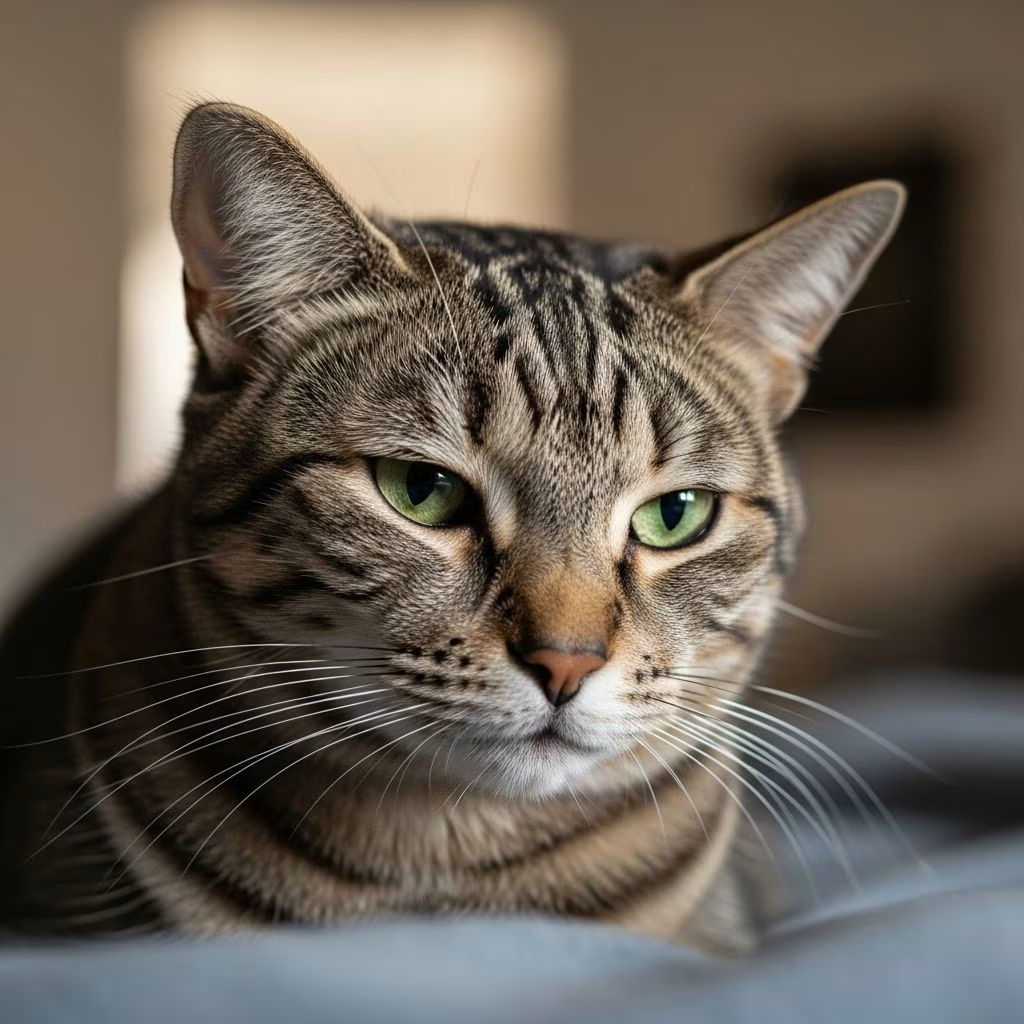
Cats are masters at masking pain due to their evolutionary instinct as predators and prey animals, making it challenging for owners to detect discomfort early. Recognizing subtle behavioral, physical, and postural changes is crucial for timely intervention, as untreated pain can lead to chronic issues like worsened arthritis or infections. This guide covers key signs, common causes, and essential steps to help your cat.
Why Cats Hide Pain
In the wild, showing pain signals weakness, inviting predators or rivals, so domestic cats retain this trait. Studies from veterinary experts note that pain often manifests subtly through changes in daily routines rather than dramatic displays. Owners must observe baseline behaviors—like grooming habits, activity levels, and social interactions—to spot deviations indicating muscle, joint, dental, abdominal, or systemic pain.
Behavioral Signs Your Cat Is in Pain
Behavioral shifts are among the earliest indicators, as pain affects a cat’s mood, appetite, and sociability. Common signs include:
- Hiding or withdrawal: Cats in pain often seek solitude, avoiding family or familiar spaces, signaling anything from acute injury to chronic discomfort.
- Decreased appetite or thirst: Refusal to eat or drink, or eating less, correlates strongly with pain, especially in osteoarthritis cases.
- Excessive sleeping or lethargy: While cats sleep 12-16 hours daily, unusual drowsiness or reluctance to move points to pain.
- Aggression or irritability: Hissing, growling, scratching, or biting when touched, particularly in painful areas, is a defensive response.
- Changes in vocalization: Increased meowing, howling, purring (which can mask pain), or growling more than usual.
- Reduced play or interaction: Lack of interest in toys, chasing, or socializing with humans/pets.
North Carolina State University research on 300 cats with osteoarthritis identified activity changes—like reluctance to chase objects or interact—as strong pain correlates. Track these over 24 hours; persistent changes warrant a vet visit.
Physical Signs of Pain in Cats
Physical manifestations become evident upon close inspection. Monitor for:
- Limping or stiffness: Hesitation to walk, climb stairs, or jump, often from arthritis affecting up to 92% of cats.
- Trembling or tenseness: Muscle tremors or rigid posture from bone, abdominal, or joint pain.
- Increased respiratory or heart rate: Labored breathing or rapid chest movement in severe pain.
- Drooling or nausea: Excess saliva from dental issues, oral disease, or abdominal pain.
- Decreased grooming: Unkempt, matted coat due to pain preventing self-care, common in arthritis.
- Overgrooming or licking: Excessive focus on one area, like genitals in UTIs.
These signs often overlap with age-related decline, but sudden onset suggests acute issues.
Posture and Body Language Changes
Cats communicate pain through nuanced body language. Key indicators include:
- Arched back and tucked belly: Classic for abdominal or spinal pain.
- Lowered head or hunched posture: Head below shoulders, tense body, or crouched stance.
- Flattened ears or tense whiskers: Ears back, whiskers forward or flat, signaling distress.
- Squinted eyes or grimace: Partially closed eyes, tight muzzle, or drawn lips.
- Tail swishing or twitching: Excessive movement indicating agitation.
Veterinary assessments use these feline Grimace Scale markers—ears, eyes, whiskers, head, muzzle—for objective pain evaluation.
Types of Pain in Cats
Pain divides into acute (sudden, short-term from injury/infection) and chronic (ongoing, like arthritis).
Acute Pain
Caused by trauma (fights, falls), infections, dental abscesses, or UTIs. Symptoms are more overt: vocalizing, limping, litter box avoidance. Bacterial UTIs cause straining, frequent urination, and genital licking.
Chronic Pain
Often from degenerative joint disease (DJD/arthritis), cancer, or bone disease. Cats show subtle signs like reduced mobility or dandruff from poor grooming. Up to 92% of cats have DJD, yet it’s underdiagnosed.
Common Causes of Pain in Cats
Understanding triggers aids prevention and treatment:
- Arthritis/DJD: Joint inflammation reduces mobility; signs include jumping hesitation, litter box issues.
- Dental problems: Tooth resorption or gingivitis causes drooling, appetite loss.
- Urinary tract infections (UTIs): Bacterial/fungal; straining, accidents outside box.
- Cancer: Tumors cause localized or referred pain; treatment targets source (surgery, chemo).
- Injuries/Bone disease: Fractures or osteoporosis lead to limping, tenseness.
| Condition | Key Signs | Treatment Notes |
|---|---|---|
| Arthritis | Stiffness, poor grooming, jumping issues | Anti-inflammatories, joint supplements |
| UTI | Litter avoidance, frequent urination | Antibiotics, increased water intake |
| Dental Disease | Drooling, bad breath | Professional cleaning, extractions |
| Cancer | Weight loss, lethargy | Surgery, radiation, pain meds |
When to See a Vet
Consult a vet if signs persist beyond 24 hours or include severe symptoms like vomiting, diarrhea, or inability to urinate. Diagnosis involves physical exams, bloodwork, X-rays, or ultrasounds to pinpoint sources like dehydration or joint issues. Never use human painkillers—toxic to cats; vets prescribe safe options like opioids or NSAIDs. Early care improves outcomes, especially for chronic conditions.
Tips for Managing Cat Pain at Home
While awaiting vet care:
- Provide soft bedding and low-entry litter boxes for mobility-challenged cats.
- Ensure easy food/water access; warm food may entice eating.
- Avoid forcing interaction; create quiet spaces.
- Monitor weight and activity to track progress.
Preventive measures: regular vet checkups, dental care, weight management reduce arthritis/UTI risks.
Frequently Asked Questions (FAQs)
Why does my cat purr when in pain?
Cats purr to self-soothe or mask pain, not always indicating happiness.
Can cats have arthritis?
Yes, up to 92% show signs; it causes mobility loss and poor grooming.
What if my cat stops using the litter box?
Often signals UTI pain or arthritis; seek vet care immediately.
Is drooling always dental pain?
No, but common; also from nausea or abdominal issues.
How do vets diagnose pain?
Via exams, behavior observation, imaging, and grimace scale.
References
- 14 Signs Your Cat May Be in Pain and How to Tell for Sure — GoodRx. 2023. https://www.goodrx.com/pet-health/cat/how-tell-cat-in-pain
- How to Spot if Your Cat is in Pain — Blue Cross. 2023. https://www.bluecross.org.uk/advice/cat/health-and-injuries/how-to-spot-if-your-cat-is-in-pain
- How To Tell If a Cat Is in Pain — Whisker. 2023. https://www.whisker.com/blog/how-to-tell-if-a-cat-is-in-pain
- Cat – Subtle Signs of Illness and Pain — Hickory Veterinary Hospital. 2023. https://www.hickoryvet.com/services/cats/pain-relief-cats
- Everyday Signs of a Cat in Pain — Zoetis Petcare. 2023. https://www.zoetispetcare.com/blog/article/signs-cat-pain
- Signs of Pain in Cats & What Can Help — Sears Veterinary Hospital. 2022-08-15. https://www.searshosp.com/site/blog/2022/08/15/signs-pain-cats-what-help
- How Do I Know if My Cat is in Pain? — VCA Animal Hospitals. 2023. https://vcahospitals.com/know-your-pet/how-do-i-know-if-my-cat-is-in-pain



