

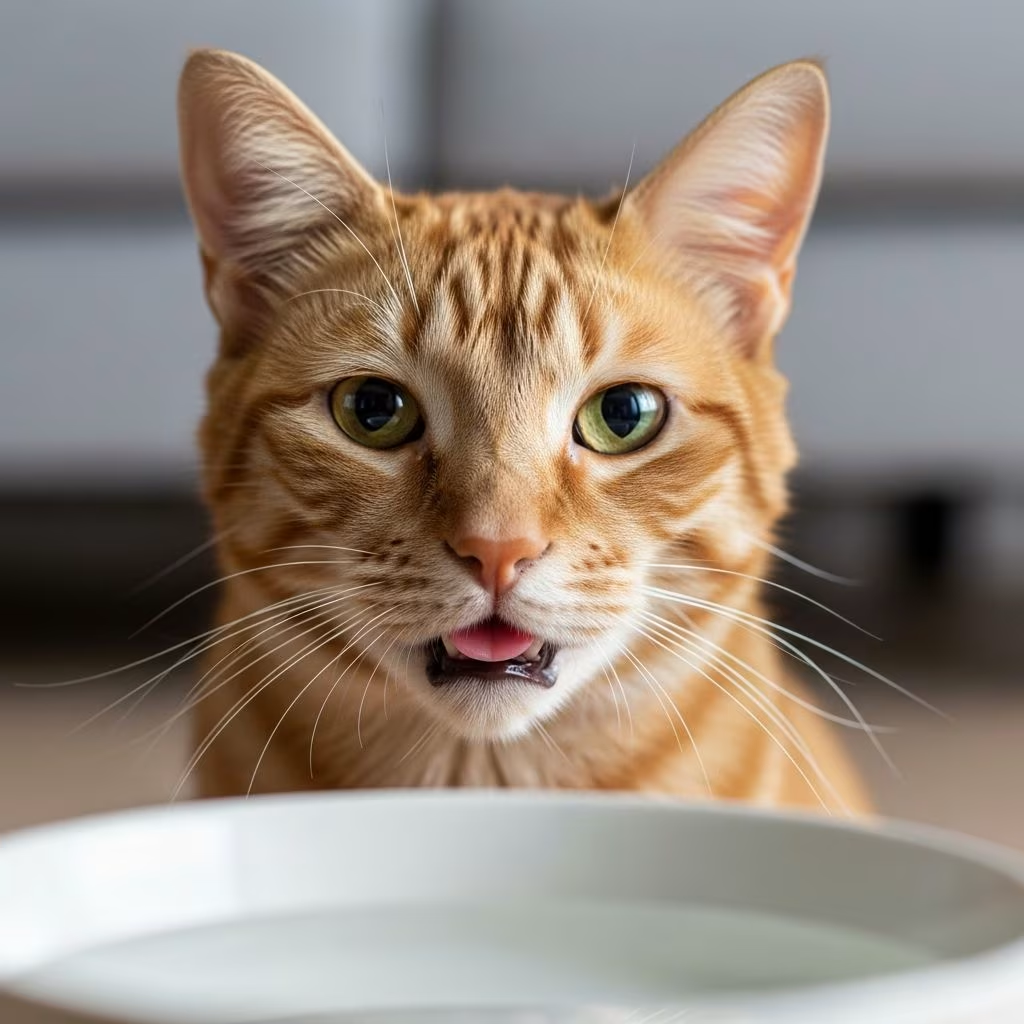
Cats are masters at masking illness, making dehydration hard to spot until it’s advanced. Early detection through simple home checks like skin turgor and gum moisture can prevent serious complications like organ failure. This guide details symptoms, causes, tests, treatments, and prevention based on veterinary insights.
What Does It Mean If a Cat Is Dehydrated?
Dehydration in cats occurs when fluid loss exceeds intake, disrupting electrolyte balance like sodium and potassium. Unlike humans, cats have low thirst drives from desert ancestry, relying heavily on food moisture. Mild cases cause lethargy; severe ones lead to shock, kidney strain, or collapse. Geriatric cats show exaggerated signs due to natural skin laxity.
Fluid loss disrupts blood volume, impairing oxygen delivery to organs. Chronic dehydration exacerbates kidney disease, common in 30-50% of senior cats. Prompt intervention restores balance, but untreated cases raise mortality risk.
7 Signs of Dehydration in Cats
Recognize these common indicators promptly:
- Loss of Skin Elasticity: Pinch skin at the scruff; hydrated skin snaps back instantly, dehydrated ‘tents’ for 2+ seconds.
- Sunken Eyes: Eyes appear dull, recessed in sockets as tissues shrink.
- Dry, Tacky Gums: Gums feel sticky, pale; capillary refill exceeds 2 seconds after pressing.
- Lethargy/Weakness: Unusual fatigue, reduced play despite normal sleep patterns.
- Loss of Appetite: Refusal to eat, worsening fluid loss cycle.
- Panting: Abnormal in cats, signals distress or overheating.
- Thick Saliva/Dry Mouth: Rope-like saliva indicates moisture deficit.
Monitor changes from your cat’s baseline; subtle shifts signal issues.
How Do Vets Test for Dehydration in Cats?
Veterinarians use multi-step assessments:
- Skin Turgor Test: Quantifies tenting time; >2 seconds indicates 5-6% dehydration.
- Gum Capillary Refill Time (CRT): Press gum; color return >2 seconds flags poor perfusion.
- Mucous Membrane Check: Dryness confirms fluid deficit.
- Bloodwork: Measures electrolytes, BUN/creatinine for kidney impact.
- Urine Analysis: Concentrated urine signals chronic low intake.
- Eye Assessment: Sunken appearance in severe cases.
These non-invasive tests guide severity: mild (5%), moderate (6-8%), severe (>10%).
What Causes Dehydration in Cats?
Common triggers include:
- Illness: Vomiting/diarrhea rapidly deplete fluids.
- Chronic Diseases: Kidney disease, diabetes increase urination.
- Diet: Dry food (10% moisture) vs. wet (80%) leads to deficits.
- Environmental: Heat, low humidity accelerate loss.
- Picky Drinking: Stagnant water discourages intake.
- Fever/Trauma: Elevate metabolic needs.
| Cause | Risk Level | Examples |
|---|---|---|
| Acute Illness | High | Vomiting, Diarrhea |
| Chronic Disease | Medium-High | Kidney Failure, Diabetes |
| Dietary | Medium | Exclusive Dry Food |
| Environmental | Low-Medium | Hot Weather |
Multi-factor cases compound risks.
Treatment for Dehydration in Cats
Vet care is essential; home remedies risk aspiration.
- Fluid Therapy: Subcutaneous or IV fluids rehydrate over hours.
- Address Underlying Cause: Antibiotics for infections, diet for kidneys.
- Hospitalization: Severe cases need monitoring.
- Supportive Care: Anti-nausea meds restore appetite.
Mild cases recover in 24-48 hours; prognosis excels with early action.
How to Prevent Dehydration in Cats
Proactive steps maintain hydration:
- Wet Food: Provides 70-80% moisture.
- Water Fountains: Circulating water entices drinking.
- Multiple Stations: Fresh bowls in quiet spots.
- Flavor Additives: Tuna water (low-sodium) boosts appeal.
- Monitor Intake: 3-4oz daily per 5lbs body weight.
- High-Moisture Treats: Supplements dry diets.
Annual vet checks catch predispositions early.
Cat Dehydration Home Test
Perform these safely:
- Skin Pinch: Lift scruff skin; observe snap-back.
- Gum Check: Press upper gum; time color return.
- Eye Inspection: Look for dullness/recession.
Abnormal results? Seek vet immediately—don’t force water.
FAQs
Can dehydration kill a cat?
Yes, severe untreated dehydration causes organ failure and death within days.
How long can a cat go without water?
3-4 days max; earlier symptoms prompt action.
Is my cat dehydrated if they sleep a lot?
Excessive lethargy beyond normal 12-16 hours daily signals potential dehydration.
What to do if cat won’t drink water?
Offer wet food, fountains; vet if persists.
Do dry food cats get dehydrated easier?
Yes, low moisture content heightens risk.
References
- Hydration — Cornell University College of Veterinary Medicine. 2023. https://www.vet.cornell.edu/departments-centers-and-institutes/cornell-feline-health-center/health-information/feline-health-topics/hydration
- Cat Dehydration Symptoms and How To Help — PetMD. 2024-05-15. https://www.petmd.com/cat/symptoms/is-my-cat-dehydrated
- Cat Dehydration: Signs, Symptoms, and Treatments — Lane Veterinary. 2024. https://lanevet.com/blog/cat-dehydration-signs-symptoms-and-treatments/
- Cat Dehydration: Symptoms, Causes, and Treatments — WebMD. 2023-11-20. https://www.webmd.com/pets/cats/dehydration-cats
- 7 Signs of Cat Dehydration to Watch For — Pets Furst Urgent Care. 2024. https://petsfursturgentcare.com/blog/cat-dehydration/



