

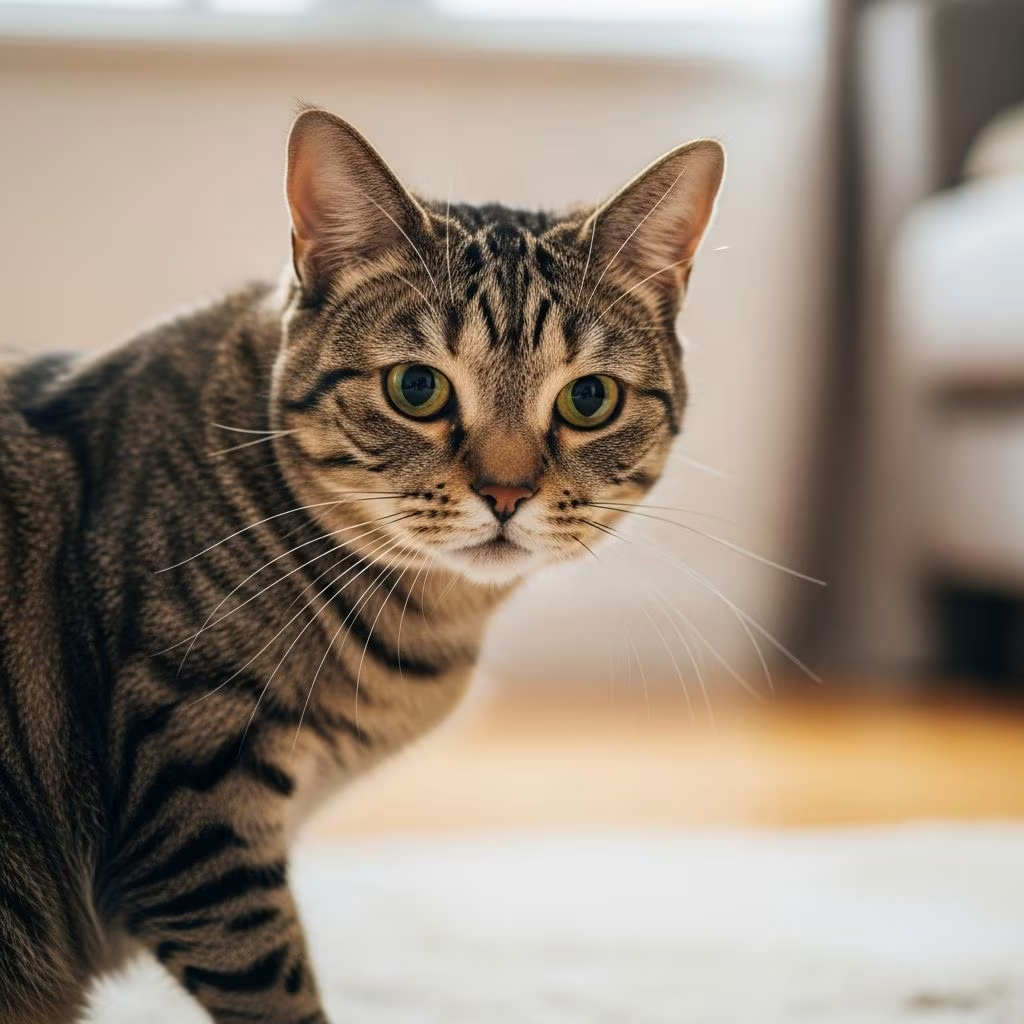
Constipation in cats is a common digestive issue where felines struggle to pass stool regularly or comfortably. It can range from mild discomfort to a serious condition requiring veterinary intervention. Recognizing the signs early allows for prompt action, preventing escalation to obstipation or megacolon—a dilated colon that loses function.
This comprehensive guide details symptoms, causes, treatments, home remedies, prevention strategies, and when to seek professional help. Drawing from veterinary expertise, it equips cat owners with actionable knowledge to support their pet’s digestive health.
What Does It Mean When a Cat Is Constipated?
Cat constipation occurs when stool moves too slowly through the intestines, becoming dry and hard. Unlike humans, cats have short digestive tracts optimized for meat-based diets, making them prone to backups from dietary imbalances or health issues. Normal defecation happens 1-2 times daily; fewer instances signal a problem.
If untreated, it leads to obstipation (severe, painful straining) or megacolon, where the colon enlarges and fails to contract, trapping feces. Elderly cats are at higher risk due to mobility issues and chronic conditions, but any age or breed can be affected.
Cat Constipation Symptoms
Watch for these key indicators of constipation in cats:
- Straining in the litter box: Prolonged efforts with little or no stool production.
- Hard, dry stools: Small, pebble-like feces or none at all.
- Infrequent defecation: Fewer than once every 1-2 days.
- Litter box avoidance: Cats may skip the box due to pain or discomfort.
- Vocalizing or pain: Crying or hunching during attempts.
- Decreased appetite: Lethargy or vomiting from toxin buildup.
- Abdominal discomfort: Swollen belly or tenderness when touched.
These symptoms often overlap with urinary issues, so monitor urine output too. A single episode might resolve, but persistence warrants a vet visit.
Causes of Constipation in Cats
Several factors contribute to feline constipation. Here’s a breakdown:
| Category | Common Causes | Details |
|---|---|---|
| Dietary | Low fiber, dry food dominance | Not enough fiber or water intake leads to dehydration and hard stools. |
| Lifestyle | Obesity, inactivity, stress | Excess weight, lack of exercise, anxiety slow gut motility. |
| Grooming | Excessive licking | Hairballs accumulate in the tract, blocking passage. |
| Medical | Arthritis, kidney disease | Painful movement or dehydration from CKD hinders defecation. |
| Serious Conditions | Megacolon, tumors, obstructions | Colon dilation, blockages from string/bones, cancer narrow passages. |
Dehydration is a primary culprit; cats on dry kibble absorb excess water from stool. Chronic issues like hyperthyroidism, diabetes, or anal sac problems exacerbate risks.
How Do Vets Diagnose Constipation in Cats?
Veterinarians start with a history review: diet, litter habits, recent changes. Physical exams check for pain, dehydration, and abdominal masses. Diagnostics include:
- Palpation: Feeling for hard feces in the colon.
- Imaging: X-rays reveal blockages or megacolon; ultrasounds detect tumors.
- Bloodwork: Identifies kidney disease, hypercalcemia, or infections.
- Fecal analysis: Rules out parasites.
Early diagnosis prevents complications like fecal impaction.
Treatment for Constipated Cats
Treatment targets hydration, motility, and underlying causes. Vets may:
- Administer fluids: IV or subcutaneous to rehydrate.
- Use laxatives: Lactulose or Miralax softens stool (vet-prescribed only).
- Perform enemas: For severe cases, under sedation to avoid injury.
- Manual extraction: Removing impacted feces safely.
- Surgery: For megacolon or tumors, subtotal colectomy removes affected colon.
Address root issues like arthritis with pain meds or kidney support.
Cat Constipation Home Remedy
For mild cases, try these vet-approved remedies after consulting a professional:
- Increase water: Wet food, fountains, or flavored water boosts intake.
- Add fiber: 1 tsp plain canned pumpkin daily (not pie filling).
- Probiotics: Support gut flora for better digestion.
- Exercise: Play sessions promote motility.
- Diet switch: High-fiber or novel protein foods (gradually).
Avoid human laxatives or oils; they can cause dehydration or toxicity.
Preventing Constipation in Cats
Proactive steps maintain regularity:
- Provide constant fresh water and wet food options.
- Balance diet with fiber sources; rotate proteins.
- Maintain ideal weight through play and portion control.
- Reduce stress with routine, hiding spots, pheromones.
- Groom long-haired cats regularly to minimize hairballs.
- Schedule senior checkups for early detection.
Monitor litter box daily; multiple boxes aid shy cats.
When to See a Vet for Cat Constipation
Seek immediate care if:
- No stool in 48-72 hours.
- Bloody stool, vomiting, or extreme lethargy.
- Straining with cries of pain.
- Loss of appetite or weight.
Chronic cases risk megacolon; don’t delay.
Frequently Asked Questions (FAQs)
Q: How long can a cat go without pooping?
A: Normally 1-2 days; beyond 48 hours, consult a vet to avoid complications.
Q: What home remedy can I give my constipated cat?
A: Plain canned pumpkin (1 tsp/day) or more water/wet food; always vet-approved.
Q: Can dry food cause constipation in cats?
A: Yes, it contributes via low moisture; mix with wet food.
Q: Is cat constipation an emergency?
A: It can be if accompanied by vomiting, no appetite, or prolonged straining—see vet ASAP.
Q: What laxative is safe for cats?
A: Vet-prescribed like lactulose; never OTC without guidance.
References
- Constipation in Cats: Symptoms, Causes & Treatment — New Hope Animal Hospital. 2024-07-15. https://www.newhopeanimalhospital.com/site/blog/2024/07/15/constipation-cats
- Constipation in Cats: Causes, Symptoms & Treatment — AnimERge. 2021-01-15. https://www.animergevets.com/site/blog/2021/01/15/constipation-dogs-causes-symptoms-treatment
- Constipation — Cornell University College of Veterinary Medicine. N/A. https://www.vet.cornell.edu/departments-centers-and-institutes/cornell-feline-health-center/health-information/feline-health-topics/constipation
- The Causes Of Constipation in Cats — Mooresville Animal Hospital. 2022-03-30. https://www.mooresvilleanimalhospital.com/site/blog/2022/03/30/constipation-cats
- Cat Constipation Symptoms and Causes — PetMD. N/A. https://www.petmd.com/cat/conditions/digestive/cat-constipation-symptoms-causes



