

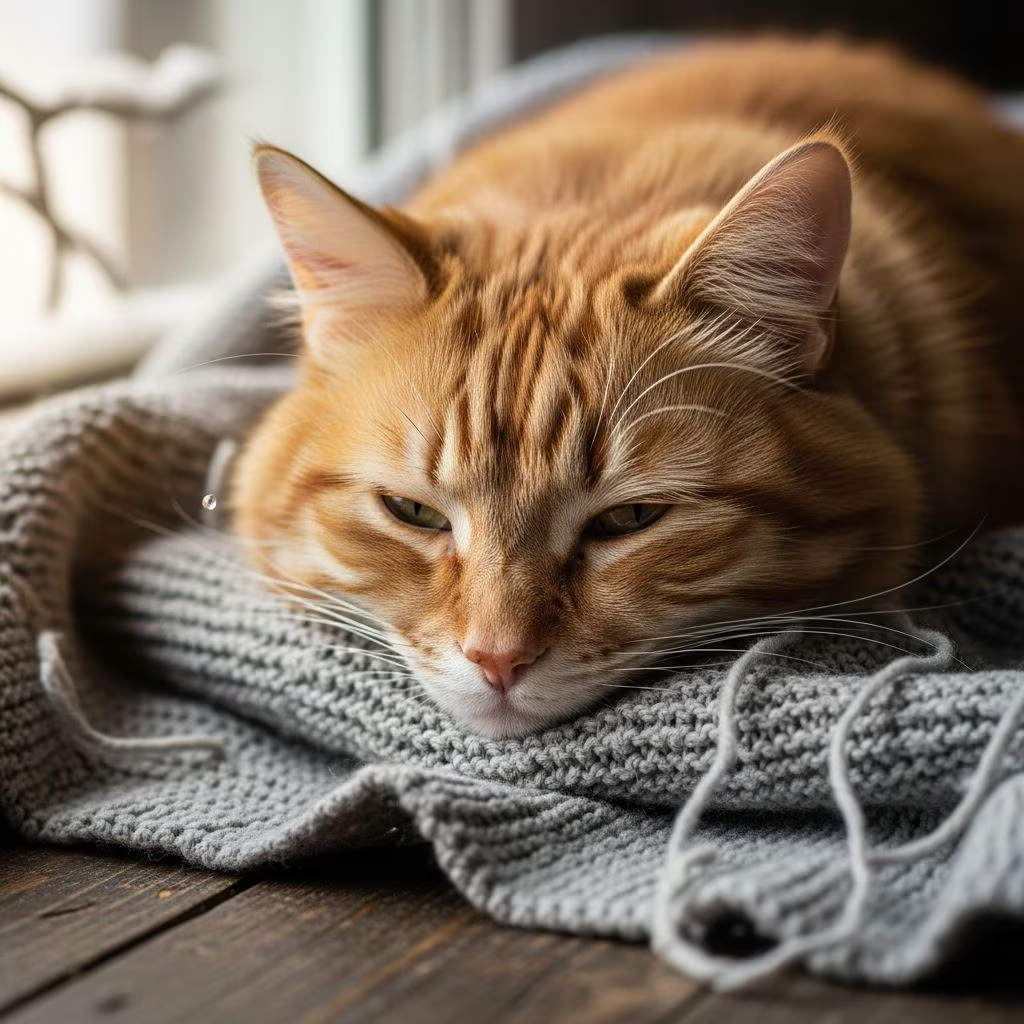
Cats are generally adept at regulating their body temperature, but they can still get cold, especially in chilly weather or drafty environments. Recognizing the signs early helps prevent discomfort or serious health issues like hypothermia. Common indicators include shivering, cold extremities, and behavioral changes like seeking warmth.
Understanding Cat Body Temperature
A healthy cat’s normal body temperature ranges from 100.5°F to 102.5°F (38.1°C to 39.2°C). When it drops below 99°F (37.2°C), hypothermia risks increase. Indoor cats may feel cold below 68°F (20°C), while outdoor or short-haired breeds are more vulnerable in temperatures under 45°F (7°C). Factors like age, health, and coat thickness influence tolerance. Kittens, seniors, and sick cats chill faster due to less efficient thermoregulation.
Physical Signs Your Cat Is Cold
Observe these tangible clues that your cat’s body is struggling to stay warm:
- Shivering or Trembling: Involuntary muscle contractions generate heat, similar to humans. Persistent shaking signals urgent warming needs.
- Cold Ears, Paws, and Tail: Feel these extremities; if icy to the touch after several minutes of handling, the cat is likely hypothermic. Ears cool first due to thin fur and high blood flow.
- Hunched or Tucked Posture: Cats curl into tight balls, tucking nose, paws, and tail under their body to minimize exposed surface area and conserve heat.
- Fast or Shallow Breathing: Rapid respiration attempts to oxygenate blood and raise temperature. Labored breathing may indicate severe cold stress.
- Lethargy or Weakness: Cold saps energy; cats may appear sluggish, reluctant to move, or collapse in advanced stages.
These signs often appear together. For instance, a cat shivering with cold paws needs immediate intervention to avoid escalation to hypothermia symptoms like confusion or unconsciousness.
Behavioral Signs Your Cat Is Cold
Cats communicate discomfort through actions. Watch for these behaviors:
- Seeking Heat Sources: Curling near radiators, vents, or electronics; burrowing under blankets; or pressing against you for body heat.
- Hiding in Warm Spots: Disappearing into closets, under beds, or laundry baskets to trap warmth.
- Increased Grooming: Excessive licking generates friction heat and insulates the coat.
- Reduced Activity: Avoiding play or exploration to conserve energy.
- Vocalizing More: Meowing or yowling plaintively when cold, especially kittens or elderly cats.
These habits intensify in winter. A cat repeatedly jumping on heated mats or shivering during playtime indicates insufficient ambient warmth.
How Cold Is Too Cold for Cats?
Cats handle cold better than dogs but have limits. Ideal indoor temperature is 68-77°F (20-25°C). Below 60°F (15.5°C), short-haired, thin, or unhealthy cats risk hypothermia. Outdoor cats fare worst below 32°F (0°C), especially with wind or wet fur. Breeds like Siamese or Sphynx chill easily due to sparse fur, while long-haired Persians tolerate lower temps better. Kittens under 4 weeks and seniors over 12 years need environments above 75°F (24°C).
| Temperature Range | Risk Level for Cats | Actions Needed |
|---|---|---|
| Above 68°F (20°C) | Low | Monitor coat and health |
| 50-68°F (10-20°C) | Moderate | Provide bedding, limit outdoor time |
| 32-50°F (0-10°C) | High | Indoor only, heated beds |
| Below 32°F (0°C) | Dangerous | No outdoor access, vet check if exposed |
This table summarizes risks based on veterinary guidelines. Always prioritize vulnerable cats.
What to Do If Your Cat Is Cold
Act swiftly but safely:
- Warm Gradually: Wrap in towels or blankets; use body heat by holding close. Avoid direct heat like hairdryers, which can burn skin.
- Provide Warmth Aids: Heated pet beds, mats (low-voltage, auto-shutoff), or microwavable pads. Ensure safe for chewing.
- Hydrate and Feed: Offer warm (not hot) wet food or broth to boost calories and fluids. Cold dulls appetite.
- Insulate Environment: Draft-proof windows, use insulating window films, or add cat igloos.
- Monitor Recovery: Rectal temperature should rise within 30-60 minutes. If below 90°F (32°C), seek emergency vet care.
For severe cases with non-responsiveness or blue gums, rush to a vet for IV fluids and warming protocols.
Preventing Your Cat from Getting Cold
Proactive steps keep cats cozy year-round:
- Indoor Living: Keep outdoor cats inside when temps drop below 45°F (7°C).
- Cozy Bedding: Multiple soft beds in warm spots; elevated ones trap body heat.
- Grooming: Brush regularly to fluff winter coat; avoid baths in cold months.
- Clothing: Sweaters for hairless breeds during short outdoor trips.
- Heating Solutions: Safe space heaters, pet-safe hot water bottles, or reflective blankets.
- Health Checks: Annual vet visits catch issues impairing thermoregulation, like thyroid problems.
Multi-cat homes benefit from heated water bowls to prevent freezing and encourage drinking.
When to See a Vet
Not all cold signs stem from weather. Rule out illnesses mimicking cold, like upper respiratory infections (URIs) causing sneezing, discharge, and lethargy. Seek vet care if:
- Shivering persists >1 hour despite warming.
- Cold extremities with weakness or disorientation.
- Accompanied by coughing, nasal/eye discharge, fever, or appetite loss >24 hours.
- Symptoms in kittens, seniors, or immunocompromised cats.
URIs from FHV-1 or FCV require antibiotics or antivirals, not just warming. Differentiate from allergies (chronic, with itching/diarrhea) via vet exam.
FAQ
Can indoor cats get too cold?
Yes, especially in homes below 68°F or with drafts. Provide heated beds and monitor vulnerable cats.
Is my cat cold if her ears are cold?
Cold ears are a primary sign, but confirm with paws/tail and behavior. Warm gradually.
What temperature is dangerous for cats?
Below 50°F for most; hypothermia risk rises under 32°F. Indoor ideal: 68-77°F.
How do I warm a hypothermic cat?
Use body heat, blankets, warm fluids. Vet for temps <90°F.
Do cats shiver when cold?
Yes, shivering generates heat. If ongoing, address environment or health issues.
Distinguishing Environmental Cold from Illness
Shivering alone often means environmental cold, resolving with warmth. Illness-related signs like discharge, coughing, or fever persist. URI symptoms (sneezing, watery eyes, lethargy) mimic cold but stem from viruses/bacteria like FHV-1, FCV, or Bordetella. Allergies cause chronic sneezing with skin issues. Vet diagnostics (exam, swabs) clarify causes.
Prevention overlaps: vaccines reduce URI risk, while insulation combats weather. Monitor multi-cat homes/shelters for contagion.
References
- What Every Cat Owner Should Know About Cat Cold Symptoms — bfahnh.com. 2024. https://bfahnh.com/blog/cat-cold-symptoms/
- Cat Colds & What To Do For Them — PetVet Care Centers. 2020-09-16. https://www.petvetcarecenters.com/site/blog/2020/09/16/cat-colds–what-to-do-for-them
- Cats & Colds: Can They Get Them & What To Do? — Miller Clark Animal Hospital. 2024-07-31. https://www.millerclarkanimalhospital.com/site/blog/2024/07/31/what-stomatitis-cats-causes-copy
- Cat Colds & How to Help Your Cat Feel Better — Whitesburg Animal Hospital. 2023-03-15. https://www.whitesburganimalhospital.com/site/blog/2023/03/15/cat-cold
- What to Do if Your Cat has a Cold — Carolina Vet. 2023-10-15. https://www.rock-hill.carolinavet.com/site/blog/2023/10/15/cat-cold
- What to do if your cat has a cold — Four Paws. N/A. https://www.fourpawsusa.org/our-stories/publications-guides/cat-cold-what-to-do
- Cats & Colds: Can They Get Them & What To Do? — Critter Creek Vet. 2024-01-31. https://www.crittercreekvet.com/site/blog/2024/01/31/cats-colds
- Cat Colds: Symptoms, Causes, and Treatment — PetMD. N/A. https://www.petmd.com/cat/conditions/respiratory/cat-colds



