

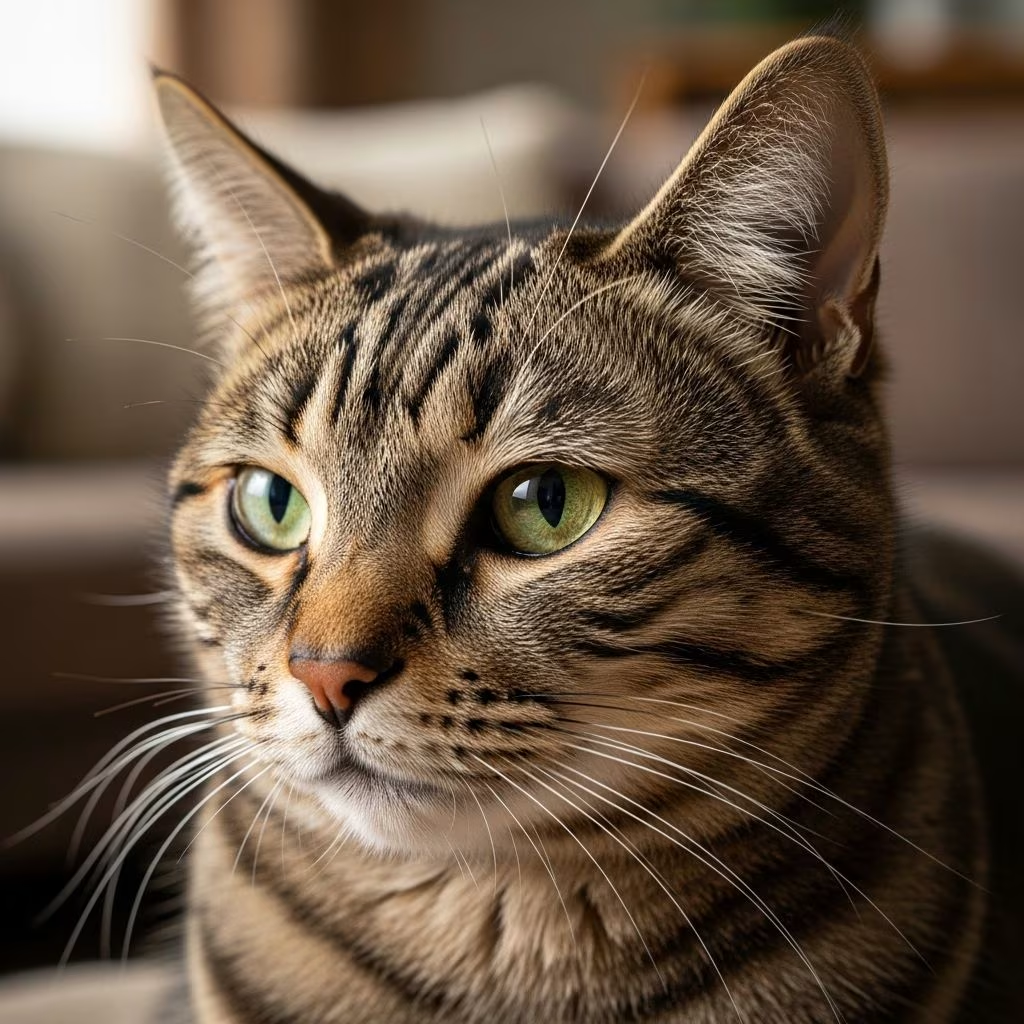
Blindness in cats can develop suddenly or gradually, often going unnoticed because felines are masters at adapting using their other senses. Early detection is crucial, as some causes like high blood pressure or infections are treatable if caught promptly. This comprehensive guide outlines behavioral signs, physical eye changes, diagnostic tests, common causes, and practical care tips for blind cats, helping you support your pet’s well-being.
Signs Your Cat Might Be Blind
Cats with vision loss often show subtle behavioral shifts before obvious eye problems appear. They rely on whiskers, hearing, smell, and memory to navigate, masking early blindness. Watch for these key indicators:
- Bumping into furniture, walls, or objects: Cats may collide more frequently, especially in dim light or unfamiliar areas, as they misjudge distances.
- Hesitation to jump or climb: Reluctance or misjudged leaps onto counters, shelves, or beds signal depth perception issues.
- Increased vocalization or confusion: Blind cats may meow more, seem disoriented, or wander aimlessly while seeking familiar scents.
- Walking cautiously or wide-legged: They may hug walls, spread legs for stability, or move slowly to avoid obstacles.
- Difficulty finding food, water, or litter box: Sniffing excessively or circling bowls indicates visual impairment.
- Behavioral changes like hiding or nervousness: Stress from navigation challenges can lead to withdrawal or startling easily.
These signs can mimic aging or cognitive decline, but clustering them—especially with eye symptoms—warrants a vet visit.
Physical Signs of Blindness in Cats
Eye-specific changes often accompany behavioral clues and provide clearer evidence of vision problems. Common physical signs include:
- Cloudy or discolored eyes: Opacity in the cornea, lens (cataracts), or retina suggests infection, inflammation, or degeneration.
- Enlarged or uneven pupils: Pupils that don’t constrict in light or appear dilated/unequal indicate retinal or nerve issues.
- Redness, swelling, or discharge: Inflammation from conjunctivitis or uveitis can progress to blindness if untreated.
- Squinting, pawing, or rubbing eyes: Pain from glaucoma, ulcers, or infections prompts these actions.
- Visible third eyelid or bulging eyes: Prolapsed nictitating membrane or enlarged globes signal serious conditions like glaucoma.
Sudden blindness with dilated pupils is an emergency, often linked to retinal detachment from hypertension—seek immediate care to potentially restore vision.
How to Test If Your Cat Is Blind at Home
Simple, non-invasive tests can assess vision before a vet appointment. Perform them in a quiet room to minimize stress, avoiding air currents that trigger blink reflexes.
Threat Response Test
Approach your cat slowly from the side with fingers extended toward the eye, about 12-18 inches away. A sighted cat blinks, squints, or turns away; a blind one stares ahead.
Dazzle Reflex Test
Shine a bright penlight directly into each eye. Normal cats squint, blink, or avert their gaze; blind cats show no response.
Obstacle Course Test
Set up familiar objects in a path and observe navigation in normal and low light. Bumping or hesitation in dim conditions points to night blindness, common in early progressive retinal atrophy (PRA).
Tracking Test
Move a toy or treat side-to-side at eye level. Sighted cats follow with head/eye movement; blind ones rely on sound or scent.
These tests aren’t definitive—neurological issues can mimic blindness—but positive results justify professional evaluation.
Common Causes of Blindness in Cats
Blindness stems from eye diseases, systemic illnesses, trauma, or genetics. Many are preventable or treatable with early intervention.
| Condition | Description | Breeds at Risk | Treatability |
|---|---|---|---|
| Conjunctivitis | Inflammation of eye membranes from bacteria, viruses (e.g., herpesvirus), often leading to scarring and vision loss if chronic. | All breeds | High with antibiotics/antivirals |
| Glaucoma | Increased eye pressure causing pain, cloudiness, bulging; genetic or secondary to disease. | Siamese, Burmese | Partial; pain relief possible |
| Progressive Retinal Atrophy (PRA) | Genetic photoreceptor degeneration; night blindness first, then total. | Bengal, Persian, Abyssinian | None; painless adaptation |
| Retinal Detachment | Retina separates due to hypertension (from kidney disease, hyperthyroidism); sudden blindness. | Older cats | Possible if treated urgently |
| Uveitis/Keratitis | Inflammation from FIV, FeLV, FIP; corneal ulcers or iris damage. | Immunocompromised | Variable with supportive care |
| Trauma/Toxins | Injuries or poisons causing optic nerve damage. | All | Depends on severity |
Systemic diseases like hypertension affect 10-20% of senior cats, often causing bilateral detachment. Genetic screening via tests like Wisdom Panel detects PRA early.
What to Do If You Suspect Your Cat Is Blind
Never delay—prompt vet care can save vision or manage pain. Expect a full ophthalmic exam, tonometry (eye pressure), fluorescein staining for ulcers, bloodwork for hypertension, and possibly imaging or genetic tests.
- Schedule an exam immediately for sudden changes.
- Treat underlying causes: BP meds for detachment, antivirals for herpes.
- Monitor for pain: Squinting or pawing needs analgesics.
Prognosis varies; treatable cases regain partial sight, while PRA leads to adaptation without discomfort.
Caring for a Blind Cat
Blind cats thrive with consistency and enrichment. They navigate via memory, scent, and sound.
- Keep layouts static: Avoid moving furniture; use rugs/scent markers for paths.
- Enhance other senses: Textured mats to bowls/litter, bell toys, talking to announce presence.
- Safe environment: Block hazards, supervise outdoors or use catios.
- Daily routine: Consistent feeding/jumping spots build confidence.
- Enrichment: Scent puzzles, grooming for bonding.
Most blind cats lead happy lives, often outliving sighted peers by compensating well.
Frequently Asked Questions (FAQs)
Can cats be born blind?
Yes, congenital issues like microphthalmia occur, but most blindness is acquired later.
Do blind cats suffer?
No, if pain-free; they adapt excellently using whiskers and hearing.
Can blindness be reversed in cats?
Sometimes, e.g., hypertension-induced detachment with quick treatment; genetic PRA cannot.
How do you know if one eye is blind?
Uneven pupils, side-specific bumping; tests compare eyes.
Is blindness common in older cats?
Yes, due to hypertension, cataracts; regular senior checkups help.
References
- Blindness in Cats: Identification, Causes, and Treatments — Wisdom Panel. 2023. https://www.wisdompanel.com/en-us/blog/blindness-in-cats
- How do I know if my cat is going blind? — Northwest Animal Eye Clinic. 2024-05-15. https://www.northwestanimaleye.com/site/blog/2024/05/15/how-know-cat-going-blind
- Blindness in cats — International Cat Care. Accessed 2026. https://icatcare.org/articles/blindness-in-cats
- Blindness and Loss of Vision in Cats — Vetster. Accessed 2026. https://vetster.com/en/symptoms/cat/blindness-and-loss-of-vision
- Cat Eye Problems: Most Common Eye Issues in Cats — PetMD. Accessed 2026. https://www.petmd.com/cat/general-health/common-cat-eye-problems
- Feline Vision Problems: A Host of Possible Causes — Cornell University College of Veterinary Medicine. Accessed 2026. https://www.vet.cornell.edu/departments-centers-and-institutes/cornell-feline-health-center/health-information/feline-health-topics/feline-vision-problems-host-possible-causes
- How to tell if my cat has problems with their vision — EyeVet.ie. 2009. https://www.eyevet.ie/wp-content/uploads/2009/01/vision_cat.pdf



