

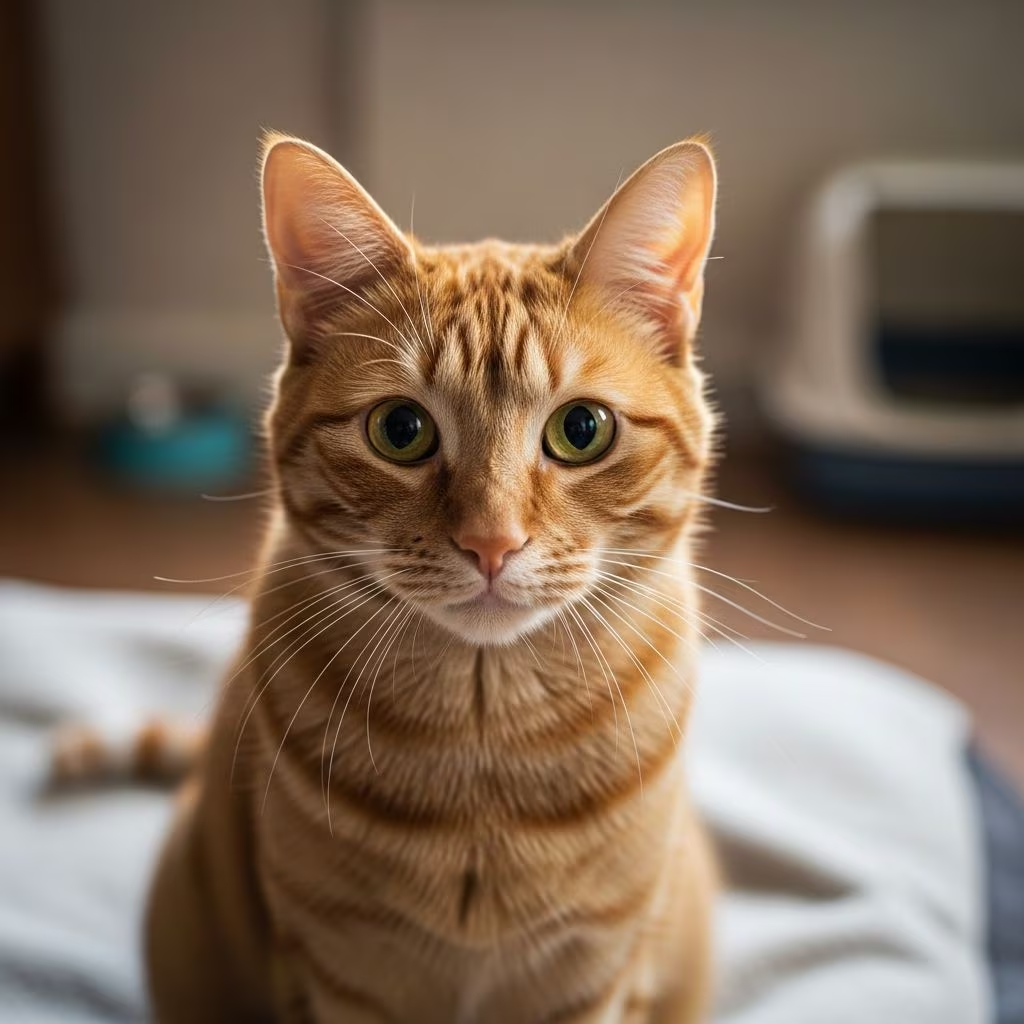
Urinary tract infections (UTIs) in cats can be painful and potentially life-threatening if not addressed promptly. Unlike dogs, cats often hide their discomfort, making early detection crucial for effective treatment. Common signs include straining to urinate, blood in the urine, and inappropriate urination, which may signal a UTI or broader feline lower urinary tract disease (FLUTD).
Understanding these symptoms helps cat owners seek veterinary care quickly, preventing complications like urethral blockages, especially in male cats. This guide covers symptoms, causes, diagnosis, treatment, recovery, prevention, and FAQs to empower you in managing your cat’s urinary health.
What Is a Urinary Tract Infection in Cats?
A urinary tract infection in cats occurs when bacteria invade the urinary system, including the bladder (cystitis), urethra, or kidneys. While less common in cats than in dogs, UTIs affect about 1-3% of healthy cats but rise to 10-15% in seniors or those with underlying conditions.
FLUTD encompasses UTIs plus issues like bladder stones, crystals, or idiopathic cystitis. Bacteria like E. coli often cause infections, thriving in stagnant urine. Male cats face higher risks due to their narrow urethras, leading to blockages that demand emergency intervention.
Symptoms mimic other conditions, so professional diagnosis is essential. Untreated UTIs can escalate to kidney damage or bladder rupture, emphasizing vigilance.
Symptoms of Urinary Tract Infection in Cats
Recognizing UTI symptoms early can save your cat’s life. Cats may show subtle signs initially, progressing to severe distress. Key indicators include:
- Straining to urinate (dysuria): Frequent litter box visits with little output, often with pained posture.
- Blood in urine (hematuria): Pinkish or red-tinged urine.
- Reduced or no urine production: Small drops or complete inability to urinate—a medical emergency.
- Inappropriate urination: Peeing outside the litter box due to pain or urgency.
- Pain or vocalizing: Crying, meowing, or howling while urinating.
- Excessive genital licking: Attempting to soothe irritation.
Additional FLUTD symptoms overlap with UTIs:
- Strong ammonia odor in urine
- Cloudy or bloody urine
- Increased thirst and urination frequency
- Lethargy or vomiting
- Hard or distended abdomen
- Avoidance of litter box
- Loss of appetite or hiding
Male cats may strain without producing urine, signaling obstruction. Monitor closely; if no urine in 24-48 hours, seek emergency care to prevent toxin buildup and kidney failure.
Causes of Urinary Tract Infections in Cats
UTIs stem from bacterial ascension from the genitals or bloodstream. Risk factors include:
- Dehydration: Concentrated urine promotes bacterial growth; dry food diets exacerbate this.
- Bladder stones/crystals: Irritate the lining, inviting infection (e.g., struvite or calcium oxalate).
- Stress: Triggers idiopathic cystitis, mimicking UTI.
- Age and sex: Seniors (over 10 years) and males are prone.
- Underlying diseases: Diabetes, kidney disease, or immunosuppression increase susceptibility.
- Obesity or inactivity: Limits natural flushing of the urinary tract.
Unlike humans, most cat UTIs aren’t simple ascending infections; many involve sterile inflammation from crystals or stress. Environmental factors like dirty litter boxes contribute indirectly.
How Are UTIs in Cats Diagnosed?
Veterinarians diagnose via history, exam, and tests. Expect:
- Physical exam: Palpating the bladder for pain or stones.
- Urinalysis: Checks for bacteria, blood, crystals, pH. Free-catch or cystocentesis samples preferred.
- Urine culture: Identifies specific bacteria for targeted antibiotics (7-14 days growth).
- Imaging: X-rays or ultrasound detect stones/blockages.
- Bloodwork: Assesses kidney function (BUN, creatinine).
Differentiating UTI from FLUTD is key; sterile urine rules out infection. Blockages require immediate catheterization.
Treatment for Urinary Tract Infections in Cats
Treatment targets the cause and relieves symptoms. Common approaches:
- Antibiotics: 7-14 days of amoxicillin or others based on culture. Complete the course to prevent resistance.
- Pain relief: Anti-inflammatories like meloxicam for comfort.
- Diet change: Prescription urinary diets acidify urine, dissolve crystals (e.g., Hill’s c/d).
- Hydration boost: Wet food, fountains, or subcutaneous fluids flush bacteria.
- Blockage management: Catheterization or surgery for males; perineal urethrostomy in recur cases.
| Treatment Type | Purpose | Duration |
|---|---|---|
| Antibiotics | Kill bacteria | 7-14 days |
| Dietary prescription | Dissolve crystals, balance pH | 5-12 weeks or lifelong |
| Fluid therapy | Flush system | Acute phase |
| Pain meds | Reduce inflammation | 3-5 days |
Hospitalization for severe cases ensures monitoring.
Recovery and Management After Treatment
Most cats recover in 5-7 days with prompt care, but full resolution takes 1-2 weeks. Monitor for relapse:
- Administer all meds; symptoms may improve before completion.
- Encourage water intake: Multiple bowls, flavored broth, fountains.
- Stress reduction: Pheromones (Feliway), clean litter boxes (1 per cat +1).
- Follow-up urinalysis confirms clearance.
Recurrent UTIs warrant investigating crystals or diabetes.
How to Prevent Urinary Tract Infections in Cats
Prevention focuses on lifestyle:
- Hydration: Switch to wet food (70-80% moisture vs. dry’s 10%).
- Diet: Urinary health formulas prevent crystals.
- Litter hygiene: Scoop daily, deep clean weekly.
- Weight control: Exercise reduces obesity risks.
- Stress minimization: Vertical spaces, routines, diffusers.
- Regular vet checks: Annual urinalysis for seniors.
Males may need lifelong management.
When to See a Vet for Suspected UTI
Any urinary changes warrant a vet visit within 24 hours. Emergencies (no urine, severe pain, collapse) require immediate care—delays can be fatal.
Frequently Asked Questions (FAQs)
What are the first signs of a UTI in cats?
Straining to urinate, blood in urine, and urinating outside the litter box are early indicators.
Can a cat UTI go away on its own?
Rarely; untreated UTIs risk complications like blockages. Vet treatment is essential.
How long do cat UTIs last with treatment?
Most resolve in 5-7 days, full recovery 1-2 weeks.
Is wet food better for cat urinary health?
Yes, it promotes hydration and dilutes urine, reducing infection risk.
Why do male cats get UTIs more often?
Narrow urethras prone to blockages from crystals or inflammation.
References
- How to Care for a Cat with a Urinary Tract Infection — Atlantic Coast Vet. 2023-08-30. https://www.atlanticcoastvet.com/site/blog-long-island-vet/2023/08/30/how-care-cat-urinary-tract-infection
- Cat Urinary Tract Infection – Symptoms, Treatment & Recovery — Animerge Vets. 2021-05-30. https://www.animergevets.com/site/blog/2021/05/30/cat-urinary-tract-infection
- How to Care for a Cat With a Urinary Tract Infection or Disease — Bear Creek Vet. 2023-11-30. https://www.bearcreekvetonline.com/site/blog/2023/11/30/how-care-cat-urinary-tract-infection-disease
- Cat Urinary Infection & Treatment — WCRAH Vet. 2021-04-29. https://www.wcrah.com/site/blog-flat-rock-vet/2021/04/29/cat-urinary-infection-treatment
- UTIs in Cats (Urinary Tract Infections in Cats) — PetMD. N/A. https://www.petmd.com/cat/conditions/urinary/utis-cats-urinary-tract-infections-cats
- Cat Urinary Tract Infection: Symptoms, Causes, and Treatment — Mountain Veterinary Service. N/A. https://www.mountainveterinaryservice.com/cat-urinary-tract-infection-symptoms-causes-and-treatment/



