

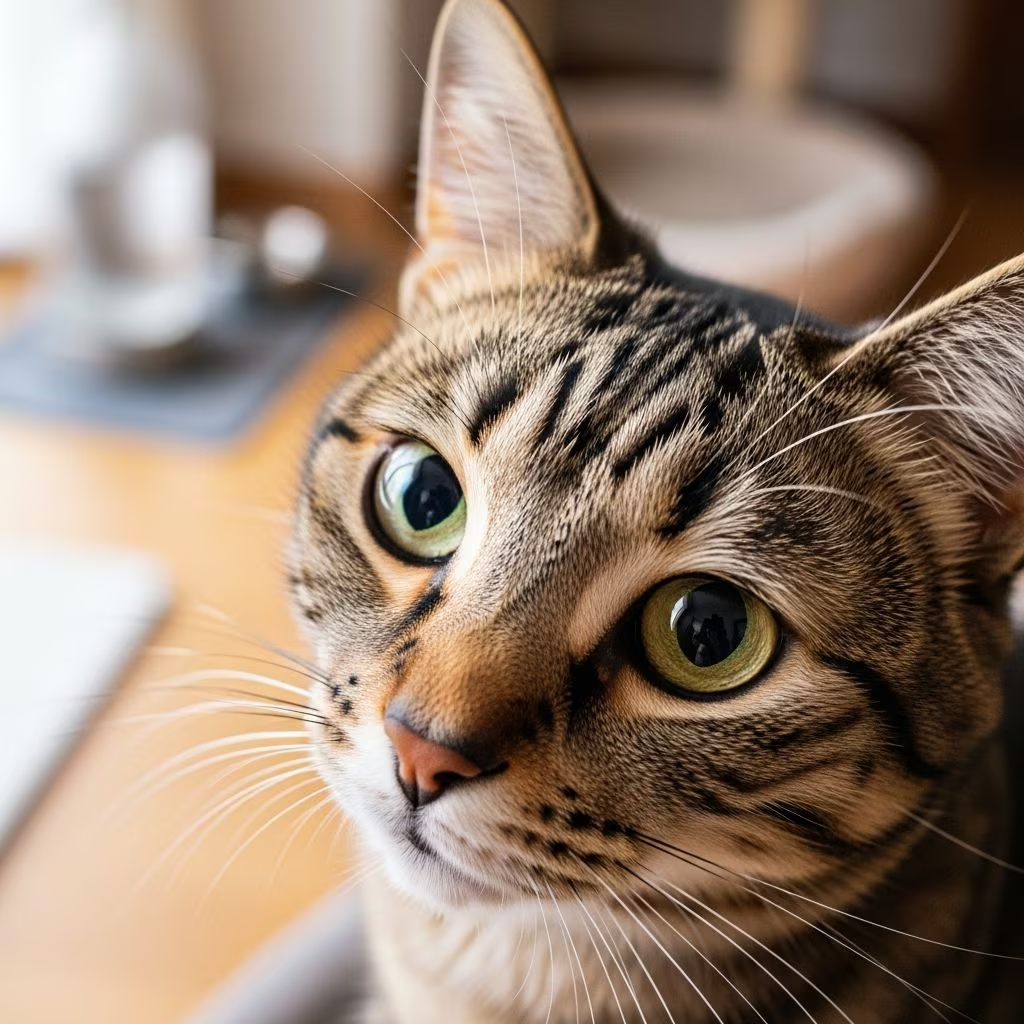
Diabetes mellitus is a common endocrine disorder in cats, affecting their ability to regulate blood sugar levels due to insufficient insulin production or insulin resistance. Early detection is crucial, as untreated diabetes can lead to severe complications like diabetic ketoacidosis (DKA). This guide covers symptoms, diagnosis, treatment options, and long-term management to help cat owners recognize and address this condition effectively.
What Is Diabetes in Cats?
Diabetes in cats occurs when the body cannot properly use glucose from food as fuel, primarily due to insulin resistance or lack of insulin production by the pancreas. There are two main types: Type 1, where the pancreas produces little to no insulin, and Type 2, more common in cats, involving insulin resistance often linked to obesity. Overweight cats are at higher risk, as excess fat contributes to insulin resistance, making glucose uptake by cells inefficient.
Symptoms arise because high blood glucose levels lead to glucose spilling into the urine, drawing water with it and causing increased urination and thirst. Without treatment, cats may experience weight loss despite increased hunger, as cells starve for energy. Senior cats are particularly susceptible, with conditions like pancreatitis or hyperthyroidism potentially mimicking or contributing to diabetes.
Symptoms of Diabetes in Cats
The most common symptoms of diabetes in cats include:
- Increased thirst (polydipsia): Cats drink excessively to compensate for dehydration from frequent urination.
- Increased urination (polyuria): Glucose in urine acts as a diuretic, leading to larger volumes of urine.
- Increased appetite (polyphagia): Cells signal hunger despite available glucose, as it can’t enter cells properly.
- Weight loss: Despite eating more, cats lose muscle and fat due to energy starvation.
- Lethargy or weakness: Lack of usable energy causes reduced activity.
- Plantigrade stance: In advanced cases, cats walk on their hocks due to peripheral neuropathy.
These signs can mimic other conditions like kidney disease, hyperthyroidism, or urinary tract infections, so veterinary evaluation is essential. Early symptoms like increased appetite may appear first, progressing to appetite loss in severe cases.
Causes and Risk Factors for Feline Diabetes
The primary cause of diabetes in cats is obesity, which promotes insulin resistance. Other risk factors include:
- Age: More common in cats over 7 years, especially seniors.
- Breed predispositions: Burmese cats have higher risk.
- Concurrent diseases: Pancreatitis, hyperthyroidism, or acromegaly.
- Medications: Corticosteroids or progesterone can induce diabetes.
- Sedentary lifestyle and high-carbohydrate diets exacerbate risks.
Male cats and neutered cats are also more prone, as neutering can lead to weight gain. Prompt identification of risk factors allows preventive measures like weight management.
How Is Diabetes Diagnosed in Cats?
Diagnosis requires ruling out stress-induced hyperglycemia, common in vet visits. Veterinarians perform:
- Blood glucose test: Levels above 300 mg/dL (16.7 mmol/L) suggest diabetes.
- Urinalysis: Confirms glucosuria (glucose in urine), key for diagnosis since stress doesn’t cause this.
- Full lab panel: Includes CBC, chemistry, electrolytes, UPC ratio, triglycerides, blood pressure, and T4 for cats to exclude comorbidities.
- Fructosamine test: Measures long-term glucose control, less affected by stress.
For cats with clinical signs, a physical exam assesses overall health, complications like neuropathy, and concurrent issues like UTIs or pancreatitis. Persistent hyperglycemia with glucosuria confirms diabetes.
Treatment Options for Cats with Diabetes
Treatment aims to restore normal blood glucose, halt weight loss, reduce thirst/urination, and prevent hypoglycemia. Primary approaches include:
Insulin Therapy
Insulin injections are the first-line treatment, typically twice daily subcutaneously. Glargine (Lantus) is recommended for new cases due to higher remission rates, though expensive. Vetsulin (porcine insulin) is another option. Dosing starts low, adjusted via glucose curves and monitoring. Owners learn to administer injections, which cats tolerate well. Hospitalization may occur initially to prevent hypoglycemia.
Dietary Management
Switch to high-protein, low-carbohydrate diets promotes remission. Prescription diabetic foods balance protein, carbs, and fiber. Safe weight loss is critical for overweight cats.
Oral Medications
SGLT2 inhibitors are approved for newly diagnosed, otherwise healthy cats, offering a non-injectable option. Discuss with your vet.
Glucose Monitoring
Home monitoring tracks blood glucose using pet-specific glucometers. Signs like increased activity or reduced water intake indicate good response. Watch for hypoglycemia symptoms: weakness, seizures, disorientation—treat with sugar water and seek emergency care.
Remission Chances: Up to 50% of cats achieve remission with early insulin (especially glargine), weight loss, proper diet, and stopping inducing meds. Most within 6 months; monitor lifelong.
Complications of Untreated Diabetes
Untreated diabetes progresses to DKA, where ketones build up, causing acidosis, vomiting, collapse, and death without intensive care (3-10 days hospitalization). Long-term issues include neuropathy, cataracts (rare in cats), infections, and organ damage. Early treatment prevents these.
Living with a Diabetic Cat: Management Tips
Successful management requires owner commitment:
- Consistent feeding schedule synced with insulin.
- Regular vet visits for glucose curves and exams.
- Weight monitoring and exercise encouragement.
- Educate on hypoglycemia recognition.
| Monitoring Parameter | Target/Goal | Frequency |
|---|---|---|
| Blood Glucose | 100-300 mg/dL | Twice daily initially, then periodic curves |
| Water Intake | Decreasing to normal | Daily observation |
| Weight | Stable or gradual loss if overweight | Weekly |
| Urine Output | Reduced | Observe litter box |
Cats in remission need ongoing diet and monitoring, as relapse is possible.
Prevention of Diabetes in Cats
Prevent through:
- Maintaining ideal weight via portion control and low-carb diets.
- Regular exercise.
- Annual vet checkups for early detection.
- Avoiding obesity-promoting factors like indoor-only lifestyles.
Neutered cats need calorie adjustment to prevent gain.
Frequently Asked Questions (FAQs)
What are the early signs of diabetes in cats?
Early signs include increased thirst, urination, and appetite, often followed by weight loss.
Can cat diabetes be cured?
Not cured, but many enter remission and no longer need insulin with proper early treatment.
How do you give insulin to a cat?
Subcutaneous injections twice daily; vets train owners—cats usually tolerate well.
What diet is best for diabetic cats?
High-protein, low-carbohydrate prescription diets.
Is diabetes painful for cats?
Untreated, it causes discomfort from neuropathy and complications; treatment relieves symptoms.
How much does treating cat diabetes cost?
Varies; insulin, monitoring, and vet visits ongoing, but remission reduces long-term costs.
References
- Diabetes in Cats: Symptoms, Causes, and Treatments — GoodRx. 2024. https://www.goodrx.com/pet-health/cat/diabetes
- Cat Diabetes: Symptoms, Diagnosis, Treatment — Best Friends Animal Society. 2024. https://bestfriends.org/pet-care-resources/cat-diabetes-symptoms-diagnosis-treatment
- Senior Cat Diabetes: Recognizing and Treating the Condition — Hope Crossing Animal Hospital. 2024-09-15. https://www.hopecrossing.com/site/blog/2024/09/15/senior-cat-diabetes
- Diagnosis and assessment – 2018 AAHA Diabetes Management Guideline — American Animal Hospital Association (AAHA). 2018. https://www.aaha.org/resources/2018-aaha-diabetes-management-guideline-for-dogs-and-cats/diagnosis-and-assessment/
- Feline Diabetes — Cornell University College of Veterinary Medicine. 2024. https://www.vet.cornell.edu/departments-centers-and-institutes/cornell-feline-health-center/health-information/feline-health-topics/feline-diabetes
- Diagnosis & Management for Feline Diabetes — Merck Animal Health USA. 2024. https://www.merck-animal-health-usa.com/hub/vetsulin/cats/diagnosis-management-for-feline-diabetes/



