

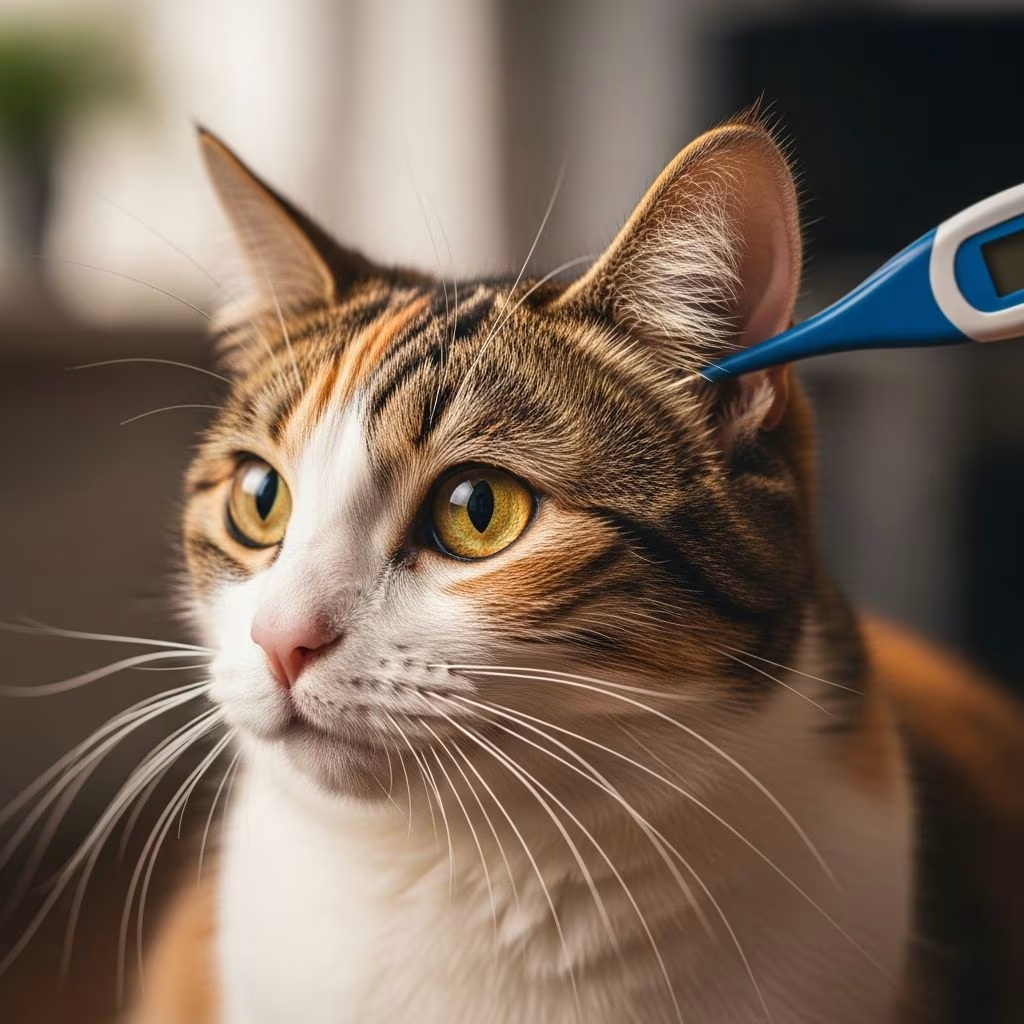
Cats often mask illness, making it challenging for owners to detect fever early. Recognizing subtle signs like lethargy, shivering, or warm ears can be crucial for timely intervention. A cat’s normal temperature ranges from 99.5°F to 102.5°F (37.5°C to 39.2°C), and anything above 103°F (39.4°C) signals a fever requiring attention.
Quick Answer: How to Tell If Your Cat Has a Fever
The most reliable way to confirm a fever is rectal temperature measurement; ears or nose checks are unreliable. Look for symptoms including lethargy, loss of appetite, shivering, dehydration, rapid breathing, and warm ears or paws. If temperature exceeds 103°F or symptoms persist, contact a vet immediately.
Normal Cat Temperature Range
A healthy cat’s body temperature typically falls between **99.5°F and 102.5°F (37.5°C–39.2°C)**. Kittens and seniors may vary slightly higher. Unlike humans, cats’ higher baseline makes fever harder to spot without tools. Daily fluctuations occur with activity or environment, but sustained elevation indicates illness.
Monitor trends over hours; a single warm touch isn’t diagnostic. Veterinary guidelines emphasize thermometer use for accuracy.
Signs Your Cat Has a Fever
Cats hide pain, so fever signs are subtle. Common indicators include:
- Lethargy: Reduced activity, sleeping more, reluctance to play or move.
- Loss of Appetite: Skipping meals or ignoring food; fever suppresses hunger.
- Shivering/Trembling: Cats shiver primarily from fever, unlike other causes.
- Warm Ears/Paws: Unusually hot to touch, though not definitive alone.
- Dehydration: Dry gums, sticky mouth, sunken eyes; fever accelerates fluid loss.
- Rapid Heart/Respiratory Rate: Fast pulse or panting signals distress.
- Poor Grooming: Unkempt fur from feeling unwell.
- Hiding/Behavioral Changes: Isolation or unusual affection/irritability.
- Other: Vomiting, diarrhea, nasal discharge in infections.
Multiple signs together heighten concern. For instance, a cat with lethargy, no appetite, and shivering likely has fever.
How to Take Your Cat’s Temperature
Rectal thermometry is the gold standard, safest with digital pet thermometer. Steps:
- Gather supplies: Digital thermometer, petroleum jelly lubricant, treats, helper.
- Calm cat; wrap in towel if squirmy (burrito wrap).
- Insert tip 1 inch into rectum; hold until beep (10-30 seconds).
- Read: Under 103°F normal-ish; over 104°F urgent.
Warnings: Never use glass/mercury thermometers (breakage risk). Ear tympanic unreliable in cats; avoid human oral under tongue. If uncooperative, vet visit essential. Practice gently for trust.
| Temperature Range | Status | Action |
|---|---|---|
| 99.5–102.5°F (37.5–39.2°C) | Normal | Monitor |
| 103°F (39.4°C) | Mild Fever | Observe, hydrate |
| >104°F (40°C) | High Fever | Vet immediately |
Causes of Fever in Cats
Fever signals immune response to threats. Common causes:
- Infections: Upper respiratory (URI) from herpesvirus/calicivirus: sneezing, discharge, mouth ulcers.
- Bacterial: Haemobartonellosis (blood infection), ehrlichiosis (tick-borne).
- Fungal: Valley Fever (Coccidioidomycosis) in Southwest US: cough, joint pain.
- Parasitic: Cat scratch fever (Bartonellosis) via fleas: swollen glands.
- Postpartum: Milk fever (eclampsia) in nursing queens: panting, stiffness.
- Other: Abscesses, dental disease, cancer, vaccines.
Fever of unknown origin (FUO) persists without clear cause, needing diagnostics.
When to See or Call a Vet
Act fast: Fever >103°F for >24 hours, or with severe signs (seizures, collapse). Kittens, seniors, or chronic illness cats riskier. Urgencies:
- Temp >104°F
- No eating >24h
- Dehydration/seizures
- Breathing distress
- Pregnant/nursing
Vets diagnose via bloodwork, imaging. Early care prevents complications.
Treating Fever in Cats at Home (Temporarily)
Never medicate without vet (human drugs toxic). Supportive care:
- Hydrate: Wet food, fountains, subcutaneous fluids if vet-approved.
- Cool: Fan, cool packs on paws (not ice).
- Comfort: Quiet, warm bed.
- Feed: Tempting food like tuna water.
This buys time; antibiotics/antivirals need prescription.
Prevention Tips for Cat Fevers
- Vaccinate against URI viruses.
- Flea/tick control prevents bartonellosis/ehrlichiosis.
- Regular vet checkups catch early issues.
- Hygiene: Clean litter, avoid toxins.
- Monitor post-kitten/nursing queens.
Frequently Asked Questions (FAQs)
Q: Can I feel if my cat has a fever by touching its ears?
A: Warm ears/paws suggest fever but unreliable alone; use thermometer for accuracy.
Q: What temp is dangerous for cats?
A: Over 104°F (40°C) is emergency; 103°F needs monitoring.
Q: Why is my cat shivering without cold?
A: Shivering often indicates fever in cats.
Q: Can cats get fever from vaccines?
A: Mild, short-lived yes; contact vet if persists.
Q: How long can cat fever last untreated?
A: Varies; untreated leads to dehydration/complications—seek vet ASAP.
References
- 6 Signs of Fever in Cats — VEG ER for Pets. 2023. https://www.veg.com/post/fever-in-cats
- Types of Fever in Cats and Signs — North Wake Animal Hospital. 2023-12-15. https://www.northwakeanimalhospital.com/site/blog/2023/12/15/types-fever-cats-signs
- 10 Signs of Fever in Cats — Frontier Veterinary Urgent Care. 2023. https://frontierveturgentcare.com/blog/10-signs-of-fever-in-cats/
- Fever in Cats: Symptoms, Treatments, and Care — Paoli Vetcare. 2023. https://www.paolivet.com/health/fever-in-cats-symptoms-treatments-and-care/
- How to Tell if a Cat Has a Fever — Pinnacle Veterinary Specialists. 2023. https://pinnacle.vet/blog/how-to-tell-if-a-cat-has-a-fever/
- Signs That Your Cat Has a Fever & What To Do — Greensboro Carolina Vet. 2021-01-15. https://www.greensboro.carolinavet.com/site/greensboro-specialty-veterinary-blog/2021/01/15/signs-cat-has-a-fever-what-to-do
- Fever of Unknown Origin in Cats — VCA Animal Hospitals. 2023. https://vcahospitals.com/know-your-pet/fever-of-unknown-origin-for-cats



