

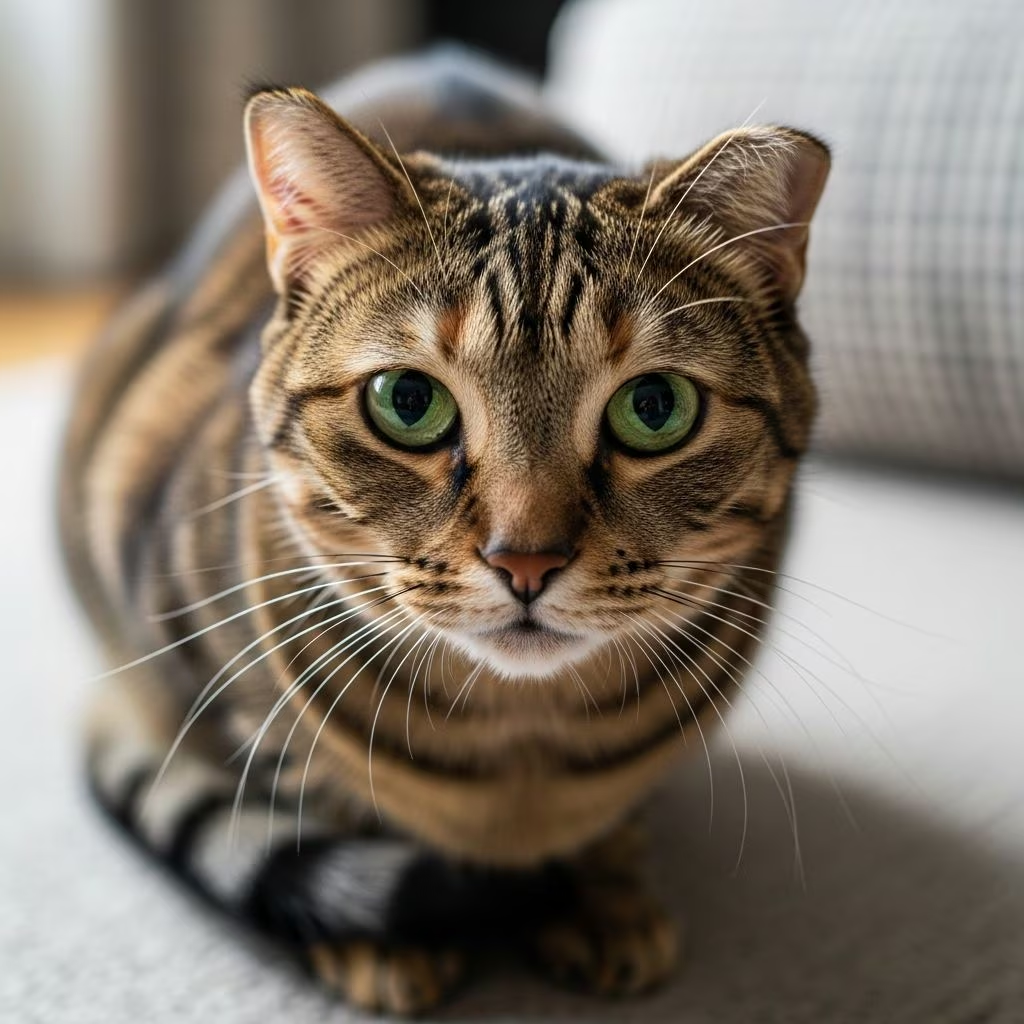
Cats are often seen as independent and aloof, but they can experience anxiety just like humans. Feline anxiety manifests through various behavioral and physical signs that alert owners to underlying stress. Recognizing these early allows for timely intervention to improve your cat’s well-being.
What Is Cat Anxiety?
Cat anxiety is a state of nervousness or worry triggered by anticipated danger, even if no real threat exists. It activates the fight-or-flight response, releasing hormones that cause physical and behavioral changes. Unlike fear, which is immediate, anxiety is anticipatory and can become chronic.
Common triggers include environmental changes, loud noises, separation from owners, new pets, or medical issues. Breeds like Siamese, Burmese, and Tonkinese may be more prone, especially females living alone with one person. Prolonged anxiety risks health issues like idiopathic cystitis or skin problems.
Signs Your Cat May Have Anxiety
Anxiety signs range from mild to severe, affecting behavior, body language, and physical health. Watch for sudden changes, as they often signal stress.
Mild Signs of Cat Anxiety
- Avoiding eye contact or shifting body/head away from stimuli
- Holding tail close to body or slight tail flicking
- Partially dilated pupils
Moderate Signs
- Ears partially back or to the side
- Increased respiratory rate and crouching/leaning away
- Looking fixedly at the trigger source
Severe Signs
- Attempting escape, freezing, fully dilated pupils, ears flat back
- Hair standing up (piloerection), staring, aggression
Behavioral Signs
Behavioral changes are often the first noticeable indicators.
- Inappropriate elimination: Urinating or defecating outside the litter box, urine spraying
- Excessive vocalization: Constant meowing, yowling, growling, or hissing
- Hiding or pacing: Crouching defensively, restlessness, or seclusion
- Aggression or clinginess: Sudden aggression toward owners/pets or overly needy behavior
- Destructive actions: Excessive scratching furniture, chewing non-food items
Physical Signs
Physical symptoms reflect the body’s stress response.
- Trembling, shaking, rapid breathing, or panting
- Dilated pupils, lethargy, or over-sleeping
- Overgrooming leading to bald patches/sores, licking nose frequently
- Gastrointestinal issues: Vomiting, diarrhea, appetite changes (loss or gain)
- Weight changes, head shaking, skin twitching
Cat Separation Anxiety: Does It Exist?
While not identical to dogs, cats can show separation anxiety-like symptoms when alone, especially certain breeds or those with abandonment history. Signs include excessive vocalizing upon departure/return, destructive behavior, elimination issues, overgrooming, and escape attempts. Females in single-person homes are at higher risk. Diagnosis involves ruling out other causes and identifying triggers.
Common Causes of Anxiety in Cats
Anxiety stems from various stressors. Key causes include:
- Environmental changes: Moving, new furniture, renovations
- Social factors: New pets, visitors, or household changes
- Noise phobias: Thunder, fireworks, vacuums
- Medical conditions: Pain, illness mimicking anxiety
- Trauma: Past abuse or abandonment
| Cause Type | Examples | Impact Level |
|---|---|---|
| Environmental | Moving, loud noises | High |
| Social | New pets, strangers | Moderate-High |
| Medical | Pain, FIC | Severe if untreated |
| Genetic | Chronic |
When to See a Vet for Cat Anxiety
Always consult a vet first to exclude medical issues, as symptoms overlap with diseases. Emergency signs include: no eating/drinking for 24 hours, straining to urinate/defecate, third eyelid protrusion, panting. Routine checks confirm health before behavioral assessment. Vets may recommend bloodwork or refer to behaviorists.
How to Help an Anxious Cat
Management combines environmental tweaks, behavior mods, and professional aid.
Home Strategies
- Provide safe spaces: High perches, hiding boxes, pheromone diffusers
- Maintain routine: Consistent feeding, play, litter cleaning
- Enrichment: Puzzle feeders, interactive toys, scratching posts
- Calming aids: Feliway diffusers, CBD treats (vet-approved)
- Gradual desensitization: Slow exposure to triggers
Professional Treatments
- Behavior modification plans with certified consultants
- Medications: Anti-anxiety drugs like fluoxetine if severe
- Veterinary behaviorists for tailored plans
Track behaviors in a journal to identify patterns and progress. Patience is key; improvements may take weeks.
Preventing Anxiety in Cats
Proactive steps reduce risk:
- Early socialization: Expose kittens to stimuli gently
- Multi-cat harmony: Proper intros for new pets
- Regular vet visits: Catch issues early
- Stress-free environment: Vertical space, quiet zones
Frequently Asked Questions (FAQs)
Can all cats get anxiety?
Yes, any cat can develop anxiety, but breeds like Siamese and those with trauma history are more susceptible.
Is cat anxiety dangerous?
Chronic anxiety leads to health issues like cystitis or dermatitis, so address promptly.
How long does cat anxiety last?
Varies by cause; acute cases resolve quickly, chronic ones need ongoing management.
Do cats outgrow anxiety?
Kittens may, but adults often need intervention; prevention helps.
Can diet affect cat anxiety?
Nutrient-rich diets support mood; consult vet for supplements.
References
- Signs of anxiety in cats to watch for – is your pet concerned? — Feliway. 2023. https://us.feliway.com/blogs/news/signs-of-anxiety-in-cats-to-watch-for-is-your-pet-concerned
- Signs and steps for cat anxiety. — Banfield Pet Hospital. 2024. https://www.banfield.com/Wellness-at-banfield/kitten-hub/cat-anxiety
- The Ultimate Guide to Cat Anxiety. — PetMD. 2023-10-15. https://www.petmd.com/cat/conditions/behavioral/c_ct_fear_phobia_anxiety
- Anxiety Disorders in Cats. — PetMD. 2024. https://www.petmd.com/cat/conditions/behavioral/anxiety-disorders-cats
- How to Recognize and Manage Anxiety in Cats. — GoodRx. 2024-05-20. https://www.goodrx.com/pet-health/cat/anxiety-in-cats
- 8 Signs of Separation Anxiety in Cats And What to Do About Them. — Hickory Veterinary Hospital. 2023. https://www.hickoryvet.com/services/cats/blog/8-signs-separation-anxiety-cats-and-what-do-about-them



