

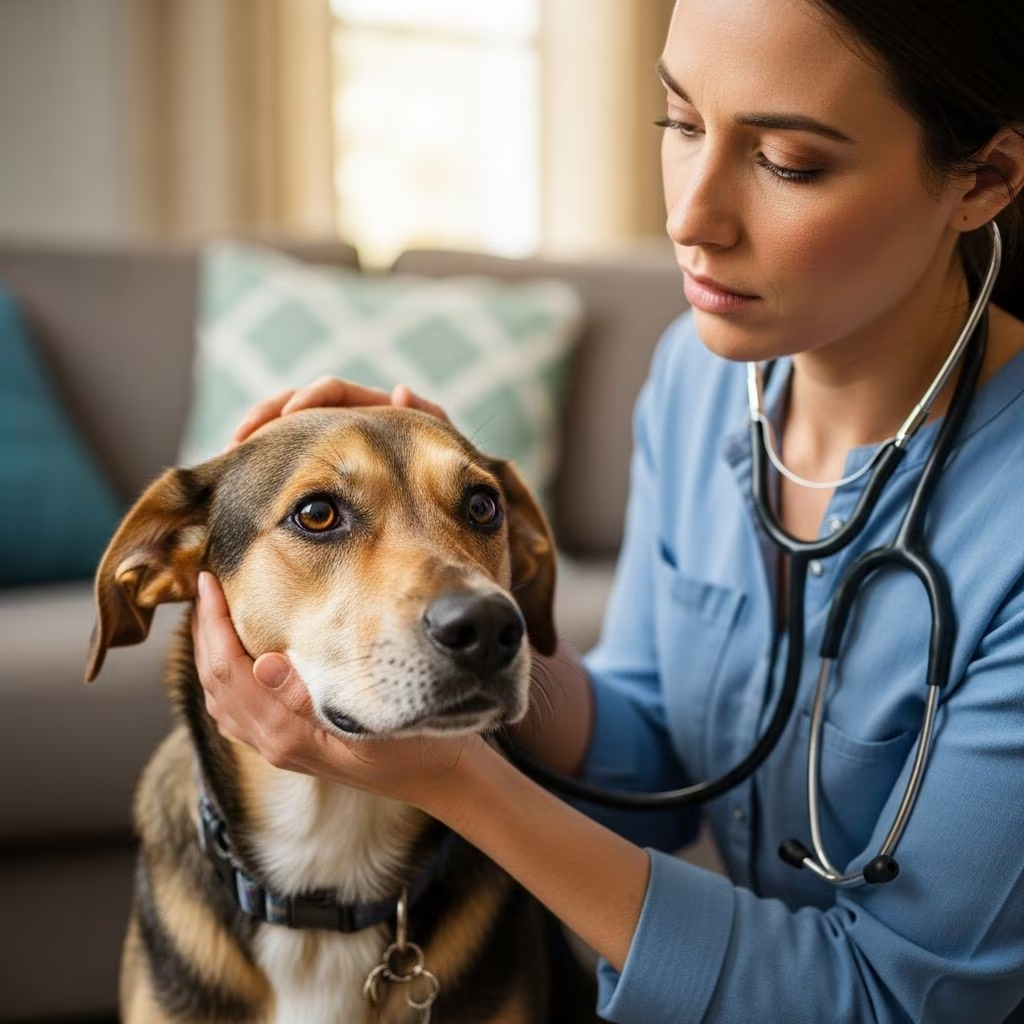
Dogs can’t verbally communicate when they’re feeling unwell, making it essential for pet parents to recognize subtle and obvious signs of illness. Early detection of sickness in dogs can prevent minor issues from escalating into life-threatening conditions. This guide covers the most common indicators of canine illness, drawing from veterinary insights to help you know when to seek professional care.
Common Signs of Sickness in Dogs
Watch for these primary symptoms that often signal your dog needs medical attention. Changes from your dog’s normal behavior or physical state warrant a vet visit.
- Vomiting: Occasional vomiting might stem from dietary indiscretion, but frequent or projectile vomiting, especially with blood or bile, indicates gastrointestinal upset, infections, or obstructions.
- Major changes in urination: Increased frequency, straining, blood in urine, or accidents indoors can point to urinary tract infections (UTIs), kidney disease, or diabetes.
- Loss of appetite: Refusing food for more than 24-48 hours, particularly if paired with lethargy, suggests pain, nausea, dental issues, or systemic illness.
- Major changes in weight: Unexplained weight loss or gain disrupts health; rapid loss often signals metabolic disorders, cancer, or parasites, while gain may indicate hypothyroidism or overfeeding.
- Respiratory problems: Coughing, wheezing, rapid breathing, or nasal discharge could mean kennel cough, pneumonia, allergies, or heart disease. Blue-tinged gums or tongue require immediate emergency care.
- Lethargy or weakness: A sudden drop in energy levels, reluctance to play, or difficulty standing points to infections, anemia, pain, or organ dysfunction.
Behavioral Changes Indicating Illness
Subtle shifts in behavior often precede physical symptoms. Healthy dogs exhibit steady energy, curiosity, and alertness; deviations signal potential problems.
- Excessive panting or restlessness: Even at rest, this can indicate pain, heatstroke, heart issues, or anxiety-related illnesses.
- Withdrawal or aggression: A normally social dog becoming reclusive or irritable may be experiencing pain, cognitive decline, or neurological issues.
- Disorientation or confusion: Staring at walls, pacing in circles, getting lost in familiar spaces, or forgetting routines are hallmarks of canine cognitive dysfunction (CCD), akin to dementia in senior dogs.
- Changes in sleep patterns: Sleeping more than usual or disrupted cycles, like nighttime barking, can stem from pain, aging, or metabolic disorders.
Behavioral signs validate disease detection in real-world studies, emphasizing their reliability alongside physical cues.
Physical Symptoms to Monitor
Beyond basics, inspect your dog’s body daily for these red flags.
| Symptom | Possible Causes | Action Needed |
|---|---|---|
| Diarrhea or constipation | Parasites, dietary issues, infections, colitis | Monitor 24 hours; vet if persistent or bloody |
| Bad breath or oral issues | Dental disease, kidney failure, diabetes | Regular dental checks; immediate vet for swelling |
| Skin problems (itching, lumps) | Allergies, infections, tumors | Examine growths; biopsy if growing rapidly |
| Limp or mobility issues | Arthritis, injury, neurological disease | X-rays or pain management consult |
| Eye discharge or redness | Infections, glaucoma, allergies | Flush and vet within 24 hours |
Signs of Pain in Dogs
Dogs hide pain instinctively, but cues include:
- Tail tucked or down.
- Flattened ears or tense facial muscles.
- Whining, growling, or snapping when touched.
- Pacing, trembling, or avoiding movement.
- Changes in posture, like a hunched back.
Pain often underlies other symptoms like lethargy or appetite loss, so holistic assessment is key.
Age-Specific Illness Signs
Puppies
Young dogs are prone to parvovirus, worms, and congenital issues. Watch for bloody diarrhea, dehydration (sunken eyes, dry gums), and failure to thrive.
Adult Dogs
Common concerns include allergies, infections, and injuries. Sudden symptoms like limping or hot spots need quick attention.
Senior Dogs
Aging brings arthritis, cancer, kidney disease, and CCD. Gradual signs like incontinence, confusion, or weight loss compound over time. CCD affects many seniors, with symptoms like circling, vocalizing, and spatial disorientation.
When to See a Vet Immediately
Don’t wait if your dog shows:
- Seizures or collapse.
- Bloody vomit, stool, or urine.
- Difficulty breathing or pale/blue gums.
- Extreme lethargy or unresponsiveness.
- Swollen abdomen or heatstroke signs (drooling, weakness).
Err on the side of caution—early intervention improves prognosis dramatically.
How to Monitor Your Dog’s Health Daily
Establish a baseline:
- Body condition score: Feel ribs (guitar-shaped ideal: visible waist, palpable ribs).
- Gum check: Pink, moist; capillary refill under 2 seconds.
- Temperature: Normal 100-102.5°F; use rectal thermometer if trained.
- Daily weigh-ins: Track fluctuations.
- Activity log: Note energy, appetite, elimination patterns.
No strange odors, lumps, or discharge from eyes/ears/nose is ideal. Consistent curiosity and steady digestion confirm health.
Preventive Measures for Better Health
Proactive care reduces illness risk:
- Vaccinations and parasite preventives on schedule.
- Balanced diet tailored to age, breed, activity.
- Regular exercise to maintain “guitar-shaped” body.
- Annual vet exams with bloodwork for early detection.
- Dental hygiene via brushing and chews.
Frequently Asked Questions (FAQs)
Q: How long can a dog go without eating before it’s an emergency?
A: 24-48 hours max; consult vet sooner if other symptoms present.
Q: Is coughing always serious in dogs?
A: Not always (kennel cough), but persistent coughing with breathing issues or discoloration needs immediate vet evaluation.
Q: Can behavioral changes alone indicate sickness?
A: Yes, studies confirm behavioral signs accurately detect diseases; see vet for assessment.
Q: What’s normal dog breathing rate?
A: 10-30 breaths per minute at rest; faster indicates distress.
Q: How do I check for dehydration?
A: Pinch skin on neck—if slow to snap back, or dry/sticky gums, hydrate and call vet.
Conclusion
Knowing how to tell if your dog is sick empowers you to act swiftly, potentially extending their life and quality. Routine monitoring and vet partnerships are foundational to canine wellness.
References
- Merck Veterinary Manual: Clinical Signs of Disease in Dogs — Merck & Co., Inc. 2024-01-15. https://www.merckvetmanual.com/dog-owners/routine-care-and-activities/signs-of-illness-in-dogs
- Canine Cognitive Dysfunction — American Veterinary Medical Association (AVMA). 2023-06-12. https://www.avma.org/resources-tools/pet-owners/petcare/canine-cognitive-dysfunction
- Recognizing Pain in Dogs — Cornell University College of Veterinary Medicine. 2025-03-20. https://www.vet.cornell.edu/departments-centers-and-institutes/riney-canine-health-center/canine-health-information/recognizing-pain-dogs
- Behavioral Signs of Disease Validation Study — Animals Journal (MDPI). 2021-10-05. https://doi.org/10.3390/ani11102912
- Respiratory Distress in Dogs — AKC Canine Health Foundation. 2024-11-08. https://www.akcchf.org/canine-health/disease-insights/respiratory-distress.html



