

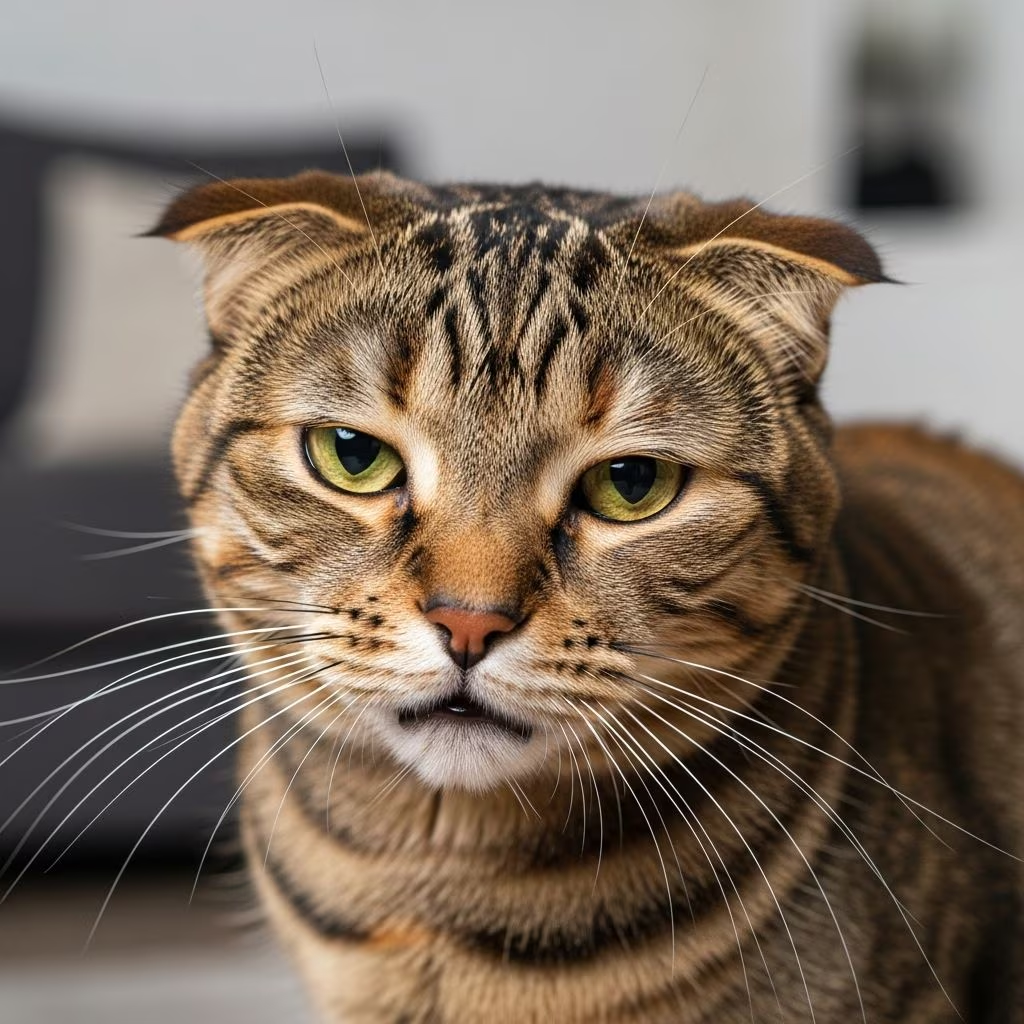
Cats are masters of masking their emotions, but stress can significantly impact their well-being. Understanding the signs of stress in cats is crucial for pet owners to ensure their feline companions remain healthy and happy. Stress in cats can arise from various triggers like environmental changes, health issues, or social dynamics. By recognizing early indicators such as behavioral shifts, physical symptoms, and subtle body language cues, you can intervene promptly to alleviate discomfort.
This comprehensive guide covers all key aspects of feline stress, including common behavioral and physical signs, body language changes, potential causes, and practical relief strategies. Early detection allows for simple adjustments that can prevent chronic issues like urinary problems or overgrooming.
Why Do Cats Get Stressed?
Cats experience stress from perceived threats or disruptions to their routine. Common causes include moving to a new home, introduction of new pets or people, loud noises, veterinary visits, or changes in diet. Territorial issues, such as neighborhood cats encroaching on their space, or household conflicts with other animals can also trigger anxiety. Health problems like pain or illness exacerbate stress, creating a cycle where physical discomfort leads to behavioral changes.
Environmental factors play a significant role; insufficient litter boxes, lack of vertical spaces for climbing, or overcrowded living areas heighten tension. Even subtle shifts, like rearranged furniture or altered feeding schedules, can unsettle a cat’s sense of security. Recognizing these triggers is the first step in prevention.
Behavioral Signs Your Cat Is Stressed
Behavioral changes are often the most apparent indicators of stress. Cats may alter their interactions, habits, or daily routines when anxious. Monitoring these shifts helps identify stress before it escalates to physical health problems.
Increased Aggression or Irritability
A normally placid cat may suddenly hiss, swat, bite, or growl at family members or other pets. This defensive aggression stems from feeling threatened or overwhelmed. Stressed cats might redirect frustration, lashing out unexpectedly during petting or play.
Excessive Grooming or Scratching
Cats groom to self-soothe, but stress amplifies this to compulsive levels, leading to bald patches, skin irritation, or hot spots, especially on the belly, legs, or flanks. Excessive scratching of furniture in new areas can also signal rising anxiety.
Changes in Appetite
Stress hormones like cortisol suppress appetite, causing refusal to eat, or prompt comfort overeating and weight gain. Prolonged loss of appetite risks malnutrition and fatty liver disease in cats.
Hiding or Withdrawal
A stressed cat seeks solitude, hiding in closets, under beds, or high shelves for extended periods. They avoid interaction, even with favorite people, signaling emotional overload.
Litter Box Issues
Inappropriate elimination outside the box, such as spraying or accidents, is a classic stress response. This communicates distress or marks territory amid insecurity. Ensure multiple clean boxes to rule out medical causes.
Decreased Activity or Lethargy
Stressed cats sleep more, play less, and show reduced curiosity. Lethargy masks underlying anxiety or depression, differing from normal napping.
Increased Vocalization
Excessive meowing, yowling, crying, or growling indicates distress. A chatty cat may become silent, or vice versa, as they vocalize for reassurance or warn others away.
Physical Signs of Stress in Cats
Beyond behavior, stress manifests physically, often mimicking illness. These symptoms warrant veterinary attention to differentiate from medical conditions.
Digestive Issues
Stress disrupts gut health, causing diarrhea, constipation, vomiting, or inflammatory bowel issues. Cortisol inflames the digestive tract, leading to frequent tummy troubles.
Changes in Water Intake
Low water consumption accompanies reduced appetite, risking dehydration. Stressed cats may drink less due to nausea or lethargy.
Weight Changes
Sudden loss from undereating or gain from stress-eating signals imbalance. Monitor body condition scores regularly.
Body Language Signs of Stress
Cats communicate stress through subtle posture and facial cues. Learning to read these helps catch issues early.
- Tense, Hunched Body: Rigid posture instead of relaxed lounging indicates tension.
- Flattened Ears: Ears pinned back signal fear or aggression.
- Dilated Pupils: Wide eyes show arousal or fear, even in bright light.
- Increased Swallowing or Lip Licking: Nervous calming signals.
- Skin Rippling or Twitching: Hyperesthesia-like reactions from overstimulation.
- Tail Flicking or Drooping: Restless tail movement or low carriage shows unease.
- Whiskers Forward or Down: Alert or withdrawn positioning.
How to Help a Stressed Cat
Reducing stress involves environmental enrichment, routine stability, and professional input if needed.
- Provide safe spaces: Cat trees, boxes, and quiet rooms for retreat.
- Maintain routines: Consistent feeding, play, and litter cleaning.
- Use pheromone diffusers: Products like Feliway mimic calming scents.
- Enrich environment: Toys, scratching posts, window perches.
- Slow introductions: Gradual exposure to changes or new pets.
- Veterinary check: Rule out pain or illness; consider anti-anxiety meds.
Interactive play sessions burn energy and build confidence. Puzzle feeders combat boredom. Patience is key—stress recovery takes time.
When to See a Vet
Consult a veterinarian if signs persist beyond a week, accompany weight loss, vomiting, or blood in urine/stool. Chronic stress risks cystitis, dermatitis, or immune suppression. Vets may recommend behaviorists or medications.
Frequently Asked Questions (FAQs)
Can stress cause my cat to pee outside the litter box?
Yes, litter box avoidance is a common stress symptom, often linked to anxiety rather than box aversion.
Is excessive meowing always a sign of stress?
Not always, but increased or unusual vocalization often indicates distress, hunger, or pain.
How long does it take for a cat to recover from stress?
Recovery varies; mild cases improve in days with changes, while severe ones may need weeks or professional help.
Do all cats show the same stress signs?
No, signs vary by personality; some hide, others aggress.
Can diet help reduce cat stress?
Balanced nutrition with calming supplements like L-theanine supports stress management.
References
- Common Signs of Stress in Cats — Dyer Animal Clinic. 2023. https://dyeranimalclinic.com/blog/stress-in-cats/
- Signs & Symptoms of a Stressed Cat — Purina US. 2024. https://www.purina.com/articles/cat/health/symptoms/is-my-cat-stressed
- Stress in Cats | Signs, Causes and Relief — Blue Cross. 2024. https://www.bluecross.org.uk/advice/cat/stress-in-cats
- 10 Signs Your Cat Is Stressed — Willis Way Veterinary Clinic. 2023. https://www.willisvet.com/blog/10-signs-your-cat-is-stressed
- Recognizing Stress Signals in Your Cat — Spay Neuter Network. 2023. https://spayneuternet.org/pet-education/recognizing-stress-signals-in-your-cat/
- 8 Signs Your Cat Is Stressed — PetMD. 2024-10-15. https://www.petmd.com/cat/behavior/signs-cat-is-stressed



