

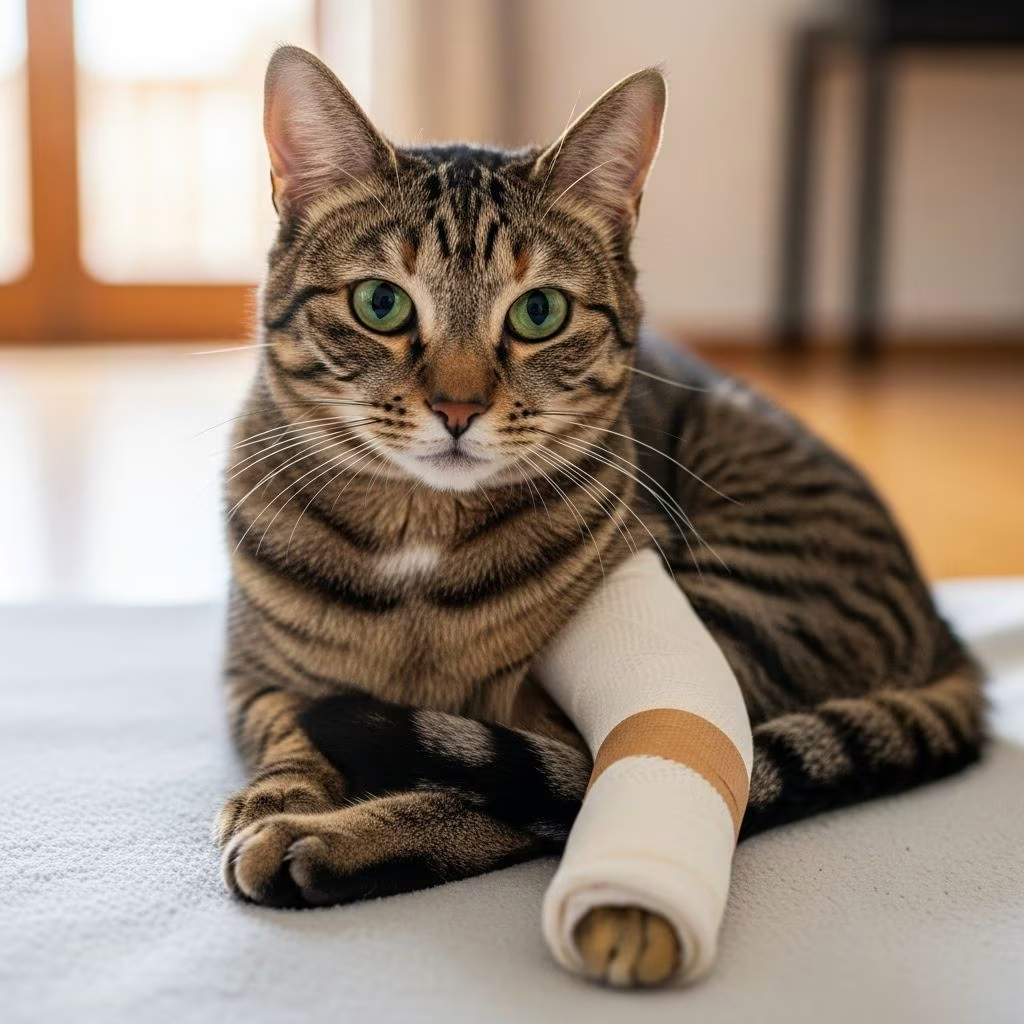
How to Tell if Your Cat Has a Broken Leg: A Comprehensive Vet Guide
Cats are naturally curious, agile creatures that love to explore their environments at every height and level. However, their adventurous nature and playful tendencies can sometimes lead to accidents and injuries. Whether your cat spends time indoors or outdoors, the risk of sustaining a broken leg is a real concern for pet owners. If you suspect your cat has suffered a broken leg, knowing how to recognize the signs and respond quickly can make a significant difference in their recovery and comfort. This guide will help you understand the symptoms of a broken leg, how to distinguish it from other injuries, and what steps to take when seeking veterinary care.
Why Cats Are Prone to Accidents
Cats are naturally inquisitive animals with a strong drive to explore and play. This combination of curiosity and athleticism, while endearing, puts them at risk for various injuries. Accidents can happen in multiple ways, including falls from heights, collisions with vehicles, attacks from other animals, or even mishaps during indoor play. Indoor cats may fall from furniture or get injured while playing with toys, while outdoor cats face additional hazards such as traffic and predators. Understanding these risks helps pet owners remain vigilant and prepared to respond to injuries when they occur.
Broken Legs vs. Sprains: Understanding the Difference
One of the most common questions pet owners ask is how to distinguish between a sprained leg and a broken leg, as these injuries share many similar symptoms. The key difference lies in the type of tissue affected. A sprain occurs when ligaments or tendons are stretched or torn, while a break (fracture) involves an injury to the bone itself. Both types of injuries can result from similar accidents, such as falls, car crashes, or encounters with other animals. While the symptoms may overlap significantly, the underlying injury mechanism is different, and this distinction is important for determining the appropriate treatment plan. However, without professional veterinary examination and imaging, it can be difficult to differentiate between these injuries, which is why seeking immediate veterinary care is essential.
Recognizing the Signs and Symptoms of a Broken Leg
Cats are often stoic animals and may not always display obvious signs of pain or injury. However, if you observe any of the following symptoms in your cat, there is a possibility they have sustained a broken leg or other internal injuries requiring immediate veterinary attention:
- Refusal to put weight on the leg – One of the most telling signs is when your cat avoids using the affected limb and walks with a visible limp or doesn’t bear weight on the injured leg.
- Vocalization of pain – This includes crying, howling, grunting, increased meowing, or growling. Cats typically vocalize when in significant discomfort.
- Wincing – Your cat may flinch or wince when the injured leg is touched or when they attempt to move it.
- Hissing or biting at you – Injured cats may become defensive and hiss or bite as a response to pain when you attempt to touch or examine the injured area.
- Noticeable bruising or swelling – Look for visible discoloration, puffiness, or swelling around the affected leg or joint.
- Visible deformity or open wound – The leg may appear bent at an unusual angle, or there may be an open wound with visible bone fragments, which constitutes a medical emergency.
- Refusal to groom – Injured cats often neglect their normal grooming habits due to pain or discomfort.
- Decreased appetite – Pain and stress can cause your cat to lose interest in food or avoid their food bowl if movement is painful.
- Changes in movement or behavior – Your cat may avoid jumping, stretching, or scratching as they normally would. They may hold their tail limply instead of upright, or refuse to scratch.
Emergency Signs That Require Immediate Attention
While all broken legs require veterinary care, certain signs indicate a more severe injury that demands immediate emergency treatment. If your cat displays any of the following symptoms, transport them to an emergency veterinary clinic without delay:
- Visible bone protruding through the skin (compound fracture)
- Severe bleeding that cannot be controlled
- Signs of shock (weakness, pale gums, cold limbs, rapid breathing)
- Loss of consciousness
- Multiple limbs appearing injured or non-functional
- Open wounds with evidence of serious trauma
What to Do If You Suspect a Broken Leg
If you believe your cat has sustained a broken leg, time is of the essence. Contact your veterinarian or emergency veterinary clinic immediately. Do not wait to see if the injury improves on its own, as broken bones are extremely painful for cats and can lead to serious complications if left untreated. When transporting your injured cat to the veterinary clinic, handle them gently and try to minimize movement of the injured leg. You can create a makeshift splint using a rolled-up magazine or newspaper around the affected limb to provide some stability during transport, but professional immobilization should be applied by your veterinarian.
The Veterinary Examination Process
When you arrive at your veterinary hospital with a cat suspected of having a broken leg, your veterinarian will begin with a thorough physical examination. They will ask you about the circumstances of the injury, when it occurred, and what symptoms you’ve observed. To accurately diagnose a broken leg, your vet will likely recommend X-rays of the affected area. X-ray imaging allows the veterinarian to determine the exact location and severity of the break, which is crucial for developing an appropriate treatment plan.
Treatment Options for Broken Legs in Cats
The treatment approach for a broken leg depends on several factors, including the severity of the break, the location of the fracture, your cat’s overall health, and age. Your veterinarian will discuss the various options available and recommend the best course of action for your specific situation.
Emergency Stabilization and Pain Management
Upon arrival at the veterinary hospital, your cat will receive emergency care to stabilize their condition. This may include intravenous fluids to prevent shock, pain relief medication to alleviate discomfort, and oxygen therapy or breathing assistance if necessary. Pain management is a critical component of treatment, as broken bones are extremely painful. Your veterinarian will prescribe appropriate pain medications to ensure your cat remains comfortable during the healing process.
Non-Surgical Treatment Options
For less severe fractures, your veterinarian may recommend non-surgical treatment approaches, including:
- Rest and restricted activity – Keeping your cat confined to a small space to minimize movement and allow the bone to heal naturally.
- Casts or splints – External immobilization devices that keep the broken bone in proper alignment while it heals.
- Pain management – Ongoing medications to control pain during the healing period.
Surgical Treatment Options
More severe or complex fractures may require surgical intervention. Your veterinarian may refer you to a specialist veterinary surgeon for complicated cases. Surgical treatment might involve the use of pins, plates, screws, or other orthopedic devices to stabilize the broken bone and ensure proper alignment during healing. While surgery may sound intimidating, it often provides the best outcome for serious breaks and allows for faster recovery and return to normal function.
Recovery and Aftercare
Recovery time varies depending on the severity of the break and the treatment method used. Most simple fractures heal within 4 to 6 weeks, while more complex breaks may require several months of recovery. During the healing period, it’s essential to follow your veterinarian’s instructions carefully, which may include:
- Keeping your cat confined to a small area to restrict activity
- Administering prescribed medications on schedule
- Preventing your cat from licking or chewing at casts or surgical sites
- Attending follow-up veterinary appointments and X-rays to monitor healing progress
- Gradually increasing activity levels as recommended by your veterinarian
Preventing Broken Legs in Cats
While accidents can happen to any cat, there are steps you can take to reduce the risk of injury:
- Provide stable furniture and cat trees to prevent falls
- Ensure windows are secure and cannot be opened widely
- Supervise outdoor access or provide a secure outdoor enclosure
- Keep your home free of hazards that could cause falls or collisions
- Maintain your cat’s overall health and fitness to support bone strength
- Keep your cat indoors during dangerous times like dusk or dawn when visibility is poor
Frequently Asked Questions
Q: How long does it take for a cat’s broken leg to heal?
A: Most simple fractures in cats heal within 4 to 6 weeks with appropriate treatment. More complex breaks may require 2 to 3 months or longer to fully heal. Your veterinarian will provide a more specific timeline based on your cat’s individual injury.
Q: Can I treat my cat’s broken leg at home?
A: No. Broken legs require professional veterinary treatment. Attempting home treatment can result in improper healing, chronic pain, and permanent disability. Always seek veterinary care immediately.
Q: Will my cat need surgery for a broken leg?
A: Not all broken legs require surgery. Some simple fractures can be treated with casts or splints. Your veterinarian will determine whether surgery is necessary based on the severity and location of the break.
Q: How much does it cost to treat a broken leg in a cat?
A: The cost varies depending on the severity of the break, treatment method, and whether surgery is required. Non-surgical treatment may cost $500 to $1,500, while surgical treatment can range from $1,500 to $4,000 or more.
Q: What should I do if I suspect my cat has a broken leg?
A: Contact your veterinarian or emergency veterinary clinic immediately. Handle your cat gently and minimize movement during transport. Do not attempt to diagnose or treat the injury yourself.
Q: Can cats fully recover from a broken leg?
A: Most cats recover well from broken legs with appropriate treatment. However, the outcome depends on the severity of the break and how quickly treatment is provided. Your veterinarian can discuss the prognosis for your specific situation.
References
- How to Tell if a Cat Has a Broken Leg — Cedar Mill Veterinary Clinic. 2024-04-15. https://www.cedarmillvet.com/site/blog/2024/04/15/how-tell-cat-broken-leg
- How To Tell If A Cat Has A Broken Leg — VHC Veterinary Hospital. 2023-09-15. https://www.vhc.la/site/blog/2023/09/15/cat-broken-leg
- Signs That Your Cat Has a Broken Leg — Centerstar Veterinary Clinic. 2024-02-29. https://www.centerstarvet.com/site/blog/2024/02/29/signs-cat-broken-leg
- Broken Bones in Cats — PetMD. https://www.petmd.com/cat/conditions/musculoskeletal/broken-bones-cats
- How to Tell if a Cat Has a Broken Leg — Bear Creek Veterinary Clinic. 2023-11-15. https://www.bearcreekvetonline.com/site/blog/2023/11/15/how-tell-cat-broken-leg
- How Can I Tell If My Cat Has a Broken Leg? — Steinway Court Veterinary Clinic. 2023-12-30. https://www.steinwaycourtvet.com/site/blog/2023/12/30/cat-broken-leg
- How to Tell If My Cat Has a Broken Leg? — Badger Veterinary Clinic. 2023-08-31. https://www.badgervet.com/site/blog/2023/08/31/how-tell-cat-broken-leg



