

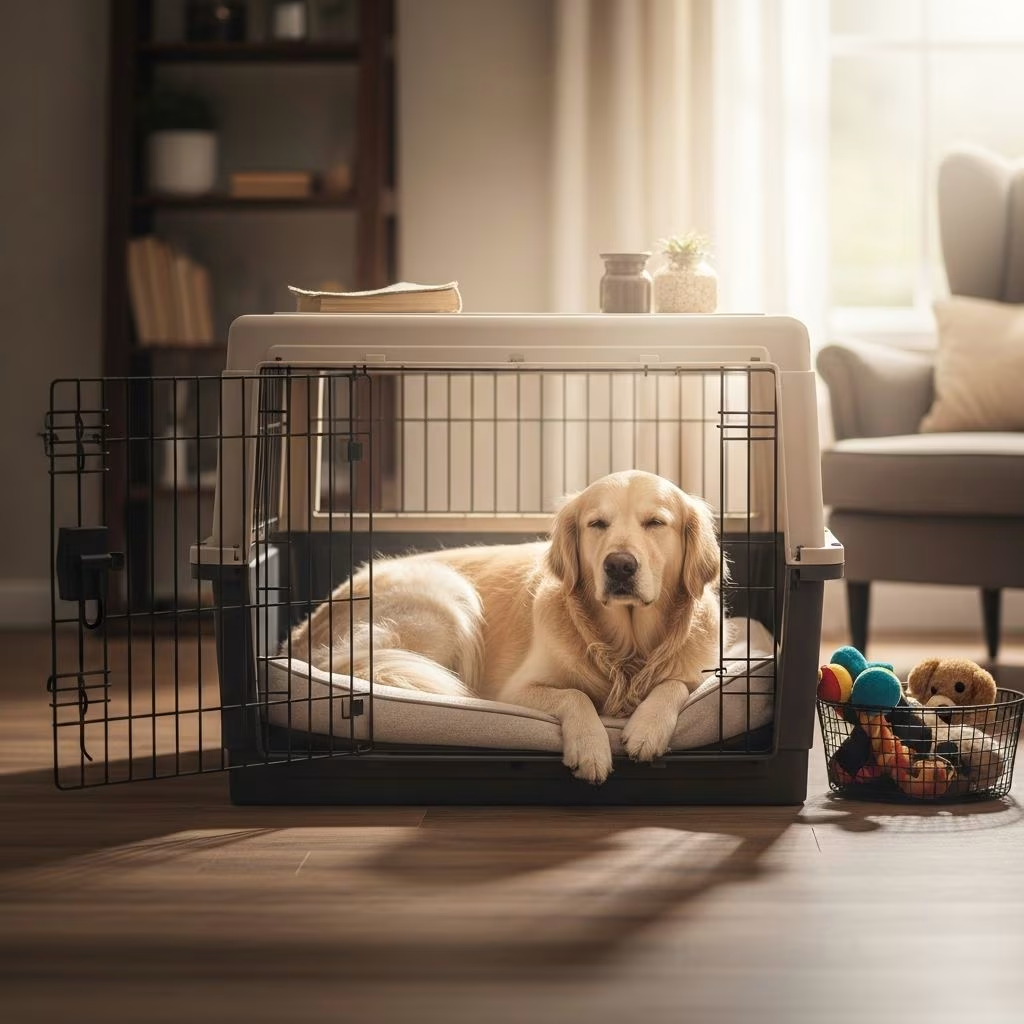
How to Teach Your Dog to Be Calm in a Dog Crate
Crate training is one of the most valuable skills you can teach your dog, but it requires patience, consistency, and a positive approach. Many dog owners struggle with their pets becoming anxious, vocal, or destructive in a crate. The key to success lies in teaching your dog to associate the crate with safety, comfort, and positive experiences. This comprehensive guide will walk you through proven techniques to help your dog become calm and content in their crate.
Why Crate Training Matters
A properly crate-trained dog has a safe space of their own where they can relax and feel secure. Crates serve multiple purposes in dog ownership, from housebreaking to preventing destructive behavior when you cannot supervise. When done correctly, crate training provides your dog with a den-like refuge that mimics the natural instinct many dogs have to seek enclosed spaces. Dogs that are comfortable in their crates experience reduced stress during veterinary visits, travel, and other challenging situations. Additionally, a calm dog in a crate makes life significantly easier for owners who need to manage multiple pets or maintain household routines.
Step 1: Choose the Right Crate and Location
Before beginning the training process, selecting an appropriately sized crate is crucial. The crate should be large enough for your dog to stand up, turn around, and lie down comfortably, but not so large that they can eliminate in one corner and sleep in another. For puppies that will grow, consider a crate with a divider panel that allows you to adjust the space as your dog develops.
Position the crate in a common area of your home where family members spend time, such as the living room or family room. This placement prevents your dog from feeling isolated and helps them understand that the crate is part of normal household activity. Avoid placing the crate in a basement, garage, or other remote location, as this can increase anxiety and create negative associations.
Make the interior inviting by adding a soft, washable bed or blanket. The comfortable bedding signals to your dog that the crate is a cozy, welcoming space rather than a confinement device. Choose machine-washable materials so you can maintain cleanliness throughout the training process.
Step 2: Make the First Introduction Positive
The initial introduction to the crate sets the tone for all future training. Start by propping open the crate door or removing it entirely, allowing your dog to explore at their own pace without any pressure. Place some treats near the crate entrance and inside the door to encourage voluntary investigation.
Use a happy, encouraging tone of voice when your dog approaches the crate. Avoid forcing them inside, as this creates negative associations that can lead to crate anxiety later. Some dogs will naturally be curious and begin sleeping in the crate right away. If your dog is hesitant, simply drop treats progressively deeper into the crate—first near the entrance, then just inside the door, and finally at the back of the space.
Reward your dog generously for any positive interaction with the crate, whether they merely sniff it, touch it with their nose, or step inside. This positive reinforcement helps your dog develop favorable associations with the space before any actual confinement occurs.
Step 3: Establish Feeding in the Crate
One of the most effective ways to create positive associations with the crate is by feeding your dog their regular meals inside it. Place your dog’s food bowl or an interactive puzzle toy filled with food at the back of the crate. If your dog enters readily, position the dish all the way at the back. If they remain reluctant, place the dish only as far back as they will comfortably go without showing fear or anxiety, then gradually move it deeper with each feeding.
During the feeding phase, leave the crate door open so your dog maintains control and doesn’t feel trapped. Once your dog is eating consistently in the crate with no signs of stress, you can begin gently closing the door while they eat. Keep the door closed for only a few seconds initially, then gradually increase the duration. This gradual approach prevents your dog from panicking about the confined space.
Feeding in the crate serves dual purposes: it builds positive associations with the space and helps with housebreaking, as dogs naturally avoid soiling their sleeping area. This technique is particularly effective for adult dogs transitioning to crate training and for puppies learning their routines.
Step 4: Introduce a Verbal Cue
Once your dog readily enters the crate for meals or treats, begin introducing a verbal command such as “crate,” “kennel up,” or “go to bed.” Use a consistent, upbeat tone when giving the command. Point to the inside of the crate with a treat in your hand to encourage entry. When your dog enters on command, immediately praise them enthusiastically, give them the treat, and close the door.
This verbal cue eventually allows you to send your dog into the crate without physically guiding them. The command becomes a communication tool that helps your dog understand what you expect. Practice this consistently until your dog reliably enters the crate when you give the command, even from a distance. This skill is invaluable for managing your dog in various situations throughout their life.
Step 5: Gradual Door Closure and Duration Extension
After your dog confidently enters the crate with the door open, begin gently closing the door while they’re inside eating or playing with a treat. Don’t latch the door at first—simply let it swing shut for a few seconds, then open it again. Repeat this process multiple times during several training sessions, gradually increasing the duration the door remains closed before you open it.
Once your dog tolerates a closed door while eating, move to the next phase: keeping them in the crate with the door closed for short periods while you remain nearby. Sit quietly outside the crate for five to ten minutes, then step into another room for a few minutes before returning. Gradually increase both the time you leave them enclosed and the time you’re out of their sight. This progressive approach prevents anxiety and builds confidence.
Step 6: Building Duration and Independence
The key to creating a calm crate dog is building duration gradually. Don’t rush this process. Repeat the sitting-near-the-crate routine several times daily, incrementally increasing the length of time your dog remains inside and the length of time you’re absent from their view. A reasonable benchmark is when your dog will stay quietly in the crate for approximately 30 minutes with you mostly out of sight. Once this milestone is reached, you can begin leaving them crated for short periods while you’re genuinely away from home.
Crate training timelines vary depending on your dog’s age, temperament, and prior experiences. Puppies may take a few days to several weeks, while adult dogs might require additional time if they have negative associations with confinement. Consistency is paramount—short, frequent training sessions are more effective than long, forced periods in the crate. Most dogs respond best to multiple five-to-ten-minute sessions throughout the day rather than one extended session.
Step 7: Teaching Calm Behavior Inside the Crate
Creating a calm mindset is essential for genuine crate comfort. Bring your dog to the crate when they’re already in a relaxed state, not when they’re excited or wanting to play. If you put your dog in the crate while they’re full of energy, they’ll associate it with interrupted play and will want to escape. Conversely, bringing them to the crate when they’re naturally calm helps them view it as a place for rest and relaxation.
Use high-value, longer-lasting treats to encourage extended calm time in the crate. Frozen KONG toys filled with peanut butter, marrow bones, or dental chews are excellent choices that keep dogs engaged and mentally stimulated while they remain in the crate. These interactive toys give your dog something rewarding to focus on, making the crate experience more positive and helping them associate the space with enjoyment rather than restriction.
Step 8: Managing Departures and Arrivals
One of the most challenging aspects of crate training is managing your dog’s behavior when you leave and return. Avoid making your departures emotional or dramatic, as this can amplify anxiety. Instead, crate your dog five to twenty minutes before you actually leave, which allows them to settle before your absence. Vary the timing of when you place them in the crate during your pre-departure routine so they don’t develop anxiety from predictable patterns.
When you return home, don’t immediately let your dog out if they’re barking, whining, or scratching. Wait for a moment of quiet before opening the door—this teaches your dog that calm behavior, not vocal behavior, results in crate release. This timing is critical for preventing reinforcement of unwanted behaviors. Only allow your dog out when they’re displaying the calm demeanor you want to encourage.
Troubleshooting Common Crate Training Challenges
Excessive Barking or Whining
If your dog is vocalizing excessively in the crate, resist the urge to let them out while they’re making noise, as this teaches them that whining works. Instead, wait for even a brief moment of silence before opening the door. This timing teaches the desired association between quiet behavior and release. Some dogs require patience through an extinction burst—an initial increase in unwanted behavior before improvement—so consistency is crucial.
Anxiety or Panic Behaviors
Dogs showing signs of true crate anxiety may need to proceed even more slowly through the training steps. If your dog was rescued or has prior negative crate experiences, recognize that rebuilding positive associations requires extra patience and time. Consider consulting a professional trainer or veterinary behaviorist if your dog demonstrates severe anxiety, excessive panting, drooling, or attempts to escape that result in injury.
Refusal to Enter
If your dog refuses to enter the crate, you’ve likely progressed too quickly or used force at some point. Return to earlier training steps and proceed more gradually. Never force your dog into the crate or use it as a punishment, as these approaches create lasting negative associations that are difficult to overcome. Patience and positive reinforcement are the only methods that create truly calm crate behavior.
Establishing and Maintaining a Routine
Dogs thrive on predictable routines, and crate training is no exception. Establish consistent times for crating your dog, such as after meals, during your work hours, or at bedtime. Consistency helps your dog understand expectations and reduces anxiety about when confinement will occur. A dog that knows they’ll be crated at specific times can mentally prepare and settle more easily than a dog surprised by random crating.
Ensure your dog gets adequate exercise and mental stimulation before crating periods. A dog that has expended their energy through play and training will naturally be calmer in the crate than a dog with pent-up energy. A tired dog is more likely to rest quietly and develop positive associations with the space.
Important Crate Training Boundaries
While crates are valuable training tools, they should never be used excessively or as punishment. Adult dogs typically shouldn’t be crated for more than eight hours at a time, while puppies need even shorter periods—roughly one hour for every month of age, plus one additional hour. Overuse of the crate can create anxiety, prevent proper bathroom habits, and damage your relationship with your dog.
Never force your dog to exit or enter the crate without commands. Teach an explicit exit command and enforce it consistently. The crate door, like your front door, should be a threshold your dog crosses only with permission. This discipline reinforces your leadership and prevents your dog from bolting out unexpectedly, which could result in escape or injury.
Frequently Asked Questions
Q: How long does crate training typically take?
A: Crate training timelines vary significantly based on your dog’s age, temperament, and previous experiences. Puppies may become comfortable with crating within a few days to several weeks with consistent training. Adult dogs, especially rescues with negative crate associations, may require several weeks or even months. Consistency and positive reinforcement directly impact training speed.
Q: What should I do if my dog has an accident in the crate?
A: Accidents happen during crate training, especially with puppies still developing bladder control. Clean the area thoroughly with enzymatic cleaner to remove scent markers. Don’t punish your dog, as this creates anxiety around the crate. Evaluate whether you’re crating for appropriate durations based on your dog’s age and bladder capacity. Ensure adequate bathroom breaks before and after crating.
Q: Can I use a crate to punish my dog?
A: No. Using the crate as punishment creates negative associations that directly counteract calm crate training. Your dog will begin associating the crate with negative consequences, leading to anxiety and resistance to entering. The crate should always be presented as a positive, safe space. If you need to address misbehavior, use appropriate discipline techniques separate from crate training.
Q: What’s the best size crate for my dog?
A: The ideal crate allows your dog to stand up, turn around, and lie down comfortably, but isn’t so large they can eliminate in one area and sleep in another. Measure your dog’s length from nose to rear end, then add four to six inches for the crate length. For height, measure from the floor to the top of your dog’s head when standing, then add four to six inches. If you have a growing puppy, use a divider panel to adjust space appropriately.
Q: Should I leave the crate door open when my dog is home with me?
A: Yes, leaving the door open during home hours allows your dog voluntary access to their crate, helping them view it as their personal safe space rather than a confinement device. Many dogs will choose to rest in their open crate even when free to roam, indicating successful positive associations. Reserve closed-door crating for specific times like when you’re away or sleeping.
References
- Crate Training Your Puppy — UC Davis School of Veterinary Medicine. 2024. https://www.vetmed.ucdavis.edu/sites/g/files/dgvnsk491/files/inline-files/Crate_Training_Your_Puppy.pdf
- How to Crate Train Your Dog or Puppy — Humane World for Animals. 2024. https://www.humaneworld.org/en/resources/crate-training-101
- How to Crate Train Your Dog in Nine Easy Steps — American Kennel Club (AKC). 2024. https://www.akc.org/expert-advice/training/how-to-crate-train-your-dog-in-9-easy-steps/
- How to Crate Train an Adult Dog: A Step-by-Step Guide — K9 Connoisseur. 2024. https://k9connoisseur.com/blogs/news/how-to-crate-train-an-adult-dog
- How To Crate Train Your Dog — PAWS (Progressive Animal Welfare Society). 2024. https://www.paws.org/resources/how-to-crate-train-your-dog/



