

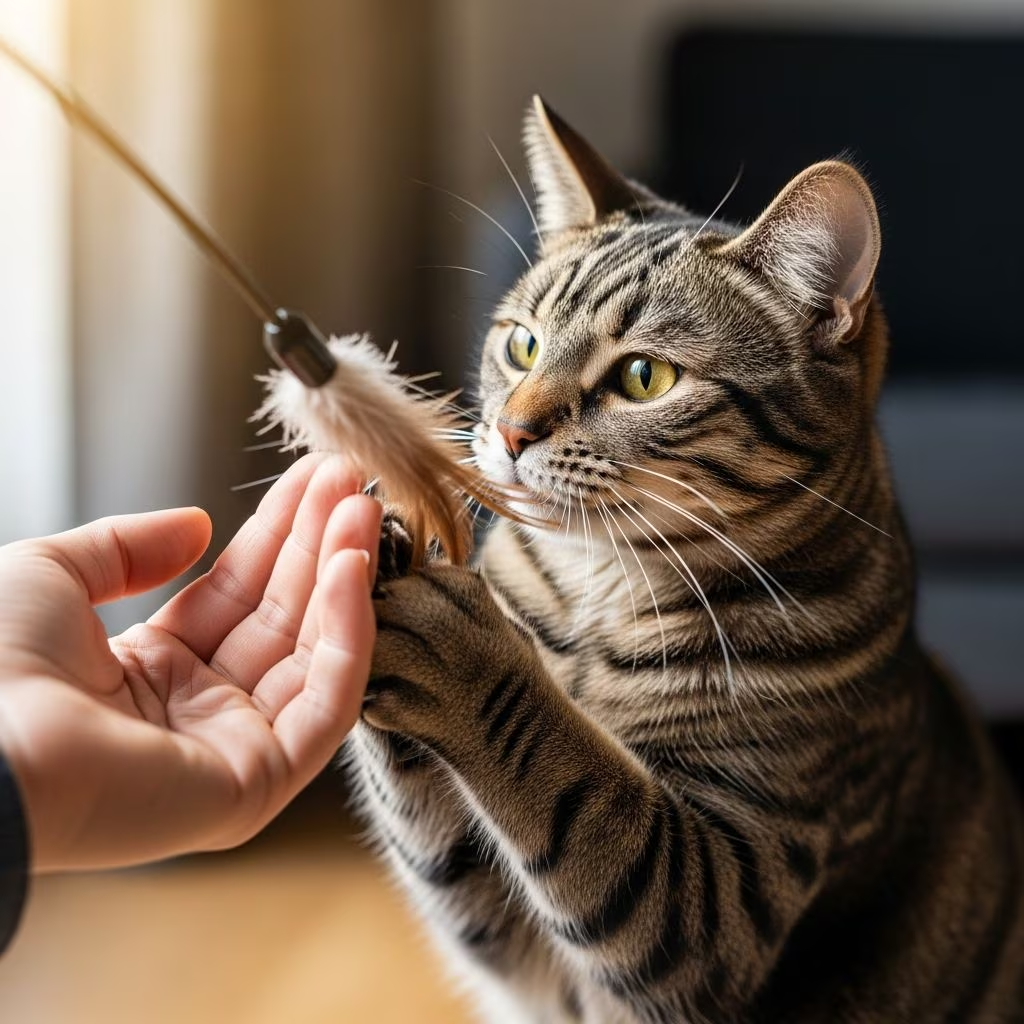
Cats are natural hunters with playful instincts that can sometimes lead to rough play, including biting and scratching. Teaching your cat to play gently ensures safe, enjoyable interactions for both you and your feline friend. This guide draws from expert advice to help you redirect their energy using appropriate toys and techniques.
Why Do Cats Play Rough?
Cats engage in rough play as part of their innate predatory sequence, which includes stalking, chasing, pouncing, and catching prey. Kittens learn bite inhibition and claw control from littermates, but singletons or those separated early may not, leading to intense play with humans. Without proper guidance, this can result in unintentional injuries during what they perceive as fun hunting practice.
Understanding this behavior is key. Cats don’t grasp that humans aren’t prey; they need clear boundaries and alternatives to hands or feet as toys. Rough play often stems from excess energy, boredom, or learned habits where moving hands trigger their hunt response.
The Importance of Play in Cat Development
Interactive play is essential for physical health, mental stimulation, and emotional well-being. It mimics natural hunting, burns energy, reduces stress, and strengthens the bond between cat and owner. Regular sessions—ideally 15-20 minutes twice daily—prevent destructive behaviors like furniture scratching or night-time zoomies.
For kittens, play teaches social skills; for adults, it maintains agility and prevents obesity. Experts emphasize that play should end with the cat ‘catching’ the toy to fulfill the predatory cycle, promoting satisfaction and rest.
Understanding the Feline Predatory Sequence
The predatory sequence is a five-step instinct: hunt (stalk and chase), catch (pounce), kill (bite and claw), followed by grooming and eating. During play, replicate this to satisfy instincts without targeting humans.
- Stalk and Chase: Move toys erratically to trigger hunting mode.
- Pounce and Capture: Allow successful catches to build confidence.
- Bite and Claw: Direct to toys only, satisfying the ‘kill’ phase.
- Groom and Eat: Reward with treats or food post-play.
By structuring play this way, cats learn appropriate outlets, reducing rough human interactions.
Best Toys for Gentle Play Training
Choose toys that keep hands safe and engage instincts. Avoid laser pointers alone, as they prevent the ‘catch’ phase, leading to frustration.
| Toy Type | Benefits | Examples |
|---|---|---|
| Wand Toys | Distance from hands; mimics prey movement | Feather wands, fuzzy mouse attachments |
| Interactive Toys | Encourages chasing without contact | Balls with bells, battery-operated mice |
| Scratching Outlets | Claw maintenance; energy release | Sisal posts, cardboard scratchers |
| Treat Dispensers | Positive reinforcement; mental stimulation | Puzzle feeders, kickers |
Wand toys are top-recommended for their versatility in simulating birds, snakes, or rodents.
Step-by-Step Guide to Teaching Gentle Play
Step 1: Set Clear Boundaries
Never use hands as toys. If your cat grabs or bites, freeze movement immediately—hands aren’t fun prey. Calmly withdraw, then redirect to a toy. Praise lavishly when they engage the toy.
Step 2: Initiate Hunt Phase
Start sessions with a wand toy. Wiggle it low to the ground like a mouse, or dangle like a bird. Vary speed and direction for 5-10 minutes to exhaust hunting energy. Keep sessions short to match attention spans.
Step 3: Allow Catch and Kill
Let them pounce and ‘kill’ the toy. This completes the sequence, teaching that toys are for roughhousing. Avoid yanking away prematurely to prevent frustration-induced bites.
Step 4: End with Rewards
After play, offer treats, wet food, or a meal. This links play to positive outcomes, signaling rest time. Follow with quiet time for grooming and napping.
Step 5: Provide Scratching Alternatives
Place multiple scratch posts near play areas. Reward use to redirect claws from furniture or skin.
Common Mistakes to Avoid
- Using hands or feet as toys, reinforcing rough play.
- Inconsistent responses: Always redirect calmly, never punish physically.
- Overstimulation: Watch for dilated pupils, thrashing tail, or vocalizing—end play.
- Ignoring post-play rewards, leading to incomplete predatory satisfaction.
- Skipping sessions, causing pent-up energy.
Play Tips for Kittens vs. Adult Cats
Kittens: More frequent, shorter sessions (5-10 mins, 3-4x daily). Single kittens need extra socialization play to learn gentleness.
Adults: Focus on high-energy toys; incorporate puzzle feeders for mental work. Older cats may prefer gentler movements.
Building Trust Through Play
Play builds trust by associating humans with positive hunts. Use slow blinks, gentle pets on cheeks/chin (avoid belly/feet), and let cats initiate contact. For kids, teach consent: let cat approach, read body language (ears back = stop), and use light strokes.
Play with Children and Cats
Supervise closely. Kids learn cat cues: tail up = friendly; puffy fur = back off. Start with petting demos on arms, progress to supervised wand play after trust builds. Use treats to associate kids positively. Never force interactions.
Frequently Asked Questions (FAQs)
Q: What if my cat still bites during play?
A: Freeze, withdraw silently, and redirect to a wand toy. Consistency teaches hands aren’t prey. Increase daily play to burn energy.
Q: How often should I play with my cat?
A: Twice daily for 15 minutes, adjusting for age and energy. End when tired to avoid overstimulation.
Q: Can I use laser pointers?
A: Occasionally, but always follow with a catchable toy to complete the hunt cycle.
Q: What if my cat plays rough only at night?
A: Schedule evening play ending with food to mimic hunting before bed.
Q: How do I teach kids to play safely with cats?
A: Emphasize consent, slow movements, and reading signals. Supervise wand play only after trust is established.
Long-Term Benefits of Gentle Play Training
Consistent training leads to calmer cats, stronger bonds, and fewer vet visits for scratches. It enhances overall behavior, making multi-pet or family homes harmonious. Track progress: fewer incidents mean success.
Incorporate variety: rotate toys, try flavors on scratchers, or hide toys for ‘hunts.’ Patience is key—most cats adapt in 2-4 weeks with daily practice.
References
- Encouraging Gentler Play in Kittens and Cats — Operation Kindness. 2023. https://www.operationkindness.org/encouraging-gentler-play-in-kittens-and-cats/
- How to Teach Your Kitty-Obsessed Kid How to Pet a Cat — Kinship. 2023. https://www.kinship.com/cat-lifestyle/teach-kids-pet-cats
- 7 Easy Ways To Earn Your Cat’s Trust — Kinship (YouTube). 2023. https://www.youtube.com/watch?v=2dmNbYpetD4
- Train Your Cat to Play Nice WITHOUT Getting Scratched! — Kinship (YouTube). 2024-12-03. https://www.youtube.com/watch?v=soZ48mACRpg
- How to Teach Cats to Play Gently — Kinship. 2023. https://www.kinship.com/video/how-to-teach-cats-to-play-gently



