

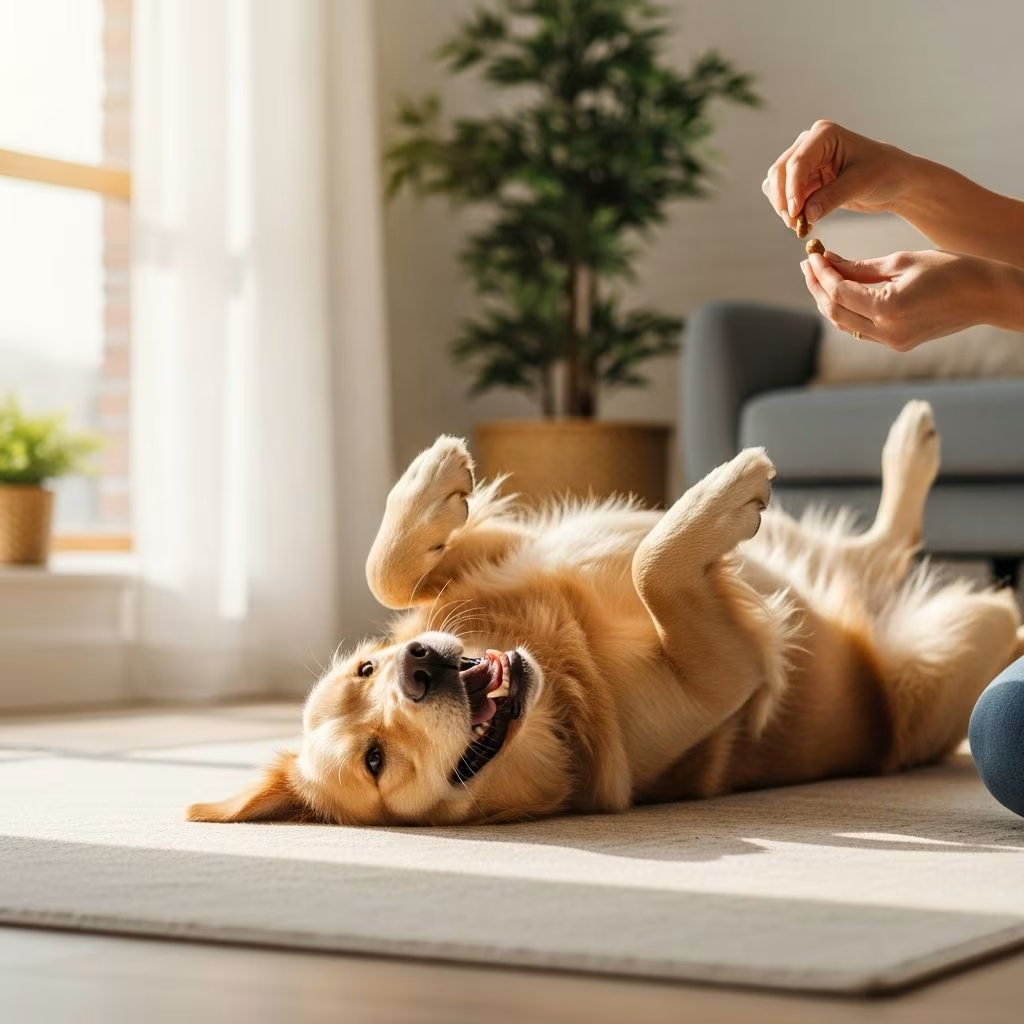
How to Teach Your Dog to Roll Over: A Complete Training Guide
Teaching your dog to roll over is one of the most entertaining and impressive tricks you can train them to perform. This classic canine behavior not only impresses friends and family, but it also provides excellent mental stimulation and strengthens the bond between you and your furry companion. Unlike some more complex tricks, roll over is relatively straightforward to teach when you break it down into manageable steps and use positive reinforcement techniques. Whether you have a puppy or an adult dog, this guide will walk you through the entire process of successfully teaching your dog this delightful trick.
Prerequisites for Teaching Roll Over
Before you begin teaching your dog to roll over, it’s essential that your dog has already mastered one fundamental behavior: the “down” command. The down position serves as the foundation for this trick, as your dog needs to be comfortable lying flat on the ground before attempting to roll. If your dog hasn’t yet learned to lie down on command, spend time reinforcing this behavior first. A dog that reliably responds to the down cue will learn the roll over trick much more quickly and with greater success. Additionally, having high-value treats on hand will significantly enhance your training sessions, as these rewards motivate your dog to engage and cooperate during practice.
Step-by-Step Training Process
Step 1: Start with the Down Position
Begin each training session by asking your dog to perform the “down” position in front of you. This is the starting point for every roll over attempt. Make sure your dog is lying comfortably with their body stretched out on the floor. Take a moment to ensure they’re relaxed and focused on you before proceeding to the next step. This initial position is crucial because it gives your dog the physical foundation needed to execute the rolling motion smoothly. Some dogs may feel nervous about lying down in unfamiliar positions, so patience and encouragement are important at this stage.
Step 2: Lure Your Dog to Their Side
Once your dog is in the down position, kneel beside them and hold a small, high-value treat close to the side of their head near their nose. This treat should be something your dog absolutely loves—small pieces work best so you can reward frequently without overfeeding. Slowly move your hand from their nose toward their shoulder, creating a luring motion that encourages your dog to follow the treat with their head. As they follow the treat, their body will naturally begin to shift and roll flat onto their side. The key is to move the treat slowly enough that your dog can comfortably follow it without jumping up or getting frustrated. Praise enthusiastically and reward your dog each time they successfully lie flat on their side with their head on the floor. Repeat this sequence several times during each training session until your dog consistently performs this action without hesitation.
Step 3: Continue the Motion Onto Their Back
Once your dog is comfortable lying on their side, continue the treat motion by moving your hand from their shoulder toward their backbone. This continued movement should cause your dog to naturally roll onto their back as they follow the treat. Your dog may feel vulnerable on their back, so move slowly and watch for signs of discomfort or fear. Some dogs are naturally more comfortable with this position than others, so adjust your speed and encouragement based on your individual dog’s comfort level. Reward generously when your dog reaches this position, and praise them warmly. If your dog seems hesitant, take this step more gradually, rewarding them for even small attempts at rolling backward.
Step 4: Complete the Full Roll
After your dog successfully rolls onto their back, continue moving the treat further across their body, from their backbone to their other side. This motion completes the full roll over. Your dog should follow the treat all the way around until they’re lying on their opposite side. Once they complete the entire rotation, immediately reward with the treat and enthusiastic praise. Continue practicing this complete sequence repeatedly until your dog can perform the full roll over smoothly and consistently. Many dogs require multiple training sessions—often spanning several weeks—before they truly master this trick, so patience is essential.
Step 5: Add the Verbal Cue
When your dog is consistently following the treat all the way around in a complete roll over, it’s time to introduce the verbal command. Just as your dog begins to execute the roll, say “Roll Over!” in an enthusiastic and clear voice. The key is timing the verbal cue perfectly so your dog associates the words with the action they’re performing. Repeat this process many times, gradually reducing your reliance on the treat lure. Eventually, your dog will begin to associate the verbal cue with the action, even without the treat prompt. This is a gradual process, so don’t rush this phase.
Building on the Trick
Introducing a Hand Signal
Once your dog has mastered the verbal cue, you can add a hand signal to make the command more versatile. A common hand signal for roll over involves a circular motion of your hand that mimics the rolling action. Practice this signal simultaneously with your verbal cue until your dog responds to either the voice command or the hand signal alone. Some dogs actually learn the hand signal more quickly than the verbal cue, so this combination can be very effective.
Reducing the Lure
Gradually reduce your use of the treat lure as your dog becomes more proficient. Start by holding the treat farther away during the motion, then eventually transition to using an empty hand to guide the motion while rewarding after the behavior is complete. This fading process should be done slowly to maintain your dog’s motivation and prevent confusion. Some trainers use a technique called “jackpot” rewards—occasionally giving multiple treats in a row when the dog performs exceptionally well—to maintain enthusiasm for the trick.
Training Tips for Success
Keep Sessions Short and Sweet
Dogs learn best during short, focused training sessions. Aim for training sessions that last only 3 to 5 minutes at a time. Shorter sessions prevent your dog from becoming bored or frustrated and help maintain their focus and enthusiasm. If you want to practice longer, break it into multiple short sessions throughout the day rather than one long session. Many trainers recommend practicing before meals when your dog is most motivated by food rewards.
Use Consistent, High-Value Rewards
The type of reward you use significantly impacts your training success. Use treats that your dog absolutely loves and that are distinctly different from their regular food. Small pieces work best so you can reward frequently. Some dogs are also motivated by praise, play time, or access to their favorite toy, so experiment to find what motivates your individual dog most. Consistency in your rewards helps your dog understand exactly which behavior earned the reward.
Practice in a Quiet Environment
When first learning the roll over trick, practice in a familiar, quiet environment with minimal distractions. A quiet room in your home is ideal for initial training. Once your dog has mastered the trick, you can gradually introduce it in different environments and around distractions. This progression helps your dog generalize the behavior and perform it reliably in various situations.
Watch for Breed and Size Considerations
Some dog breeds may find rolling over more challenging or uncomfortable than others. Extremely large or heavily muscled dogs may struggle with the physical demands of the trick, while toy breeds might find it easier due to their smaller, more flexible frames. Dogs with certain health conditions should not be asked to perform this trick, so consult your veterinarian if you’re unsure whether your dog can safely execute this behavior. Additionally, some dogs naturally prefer to roll on one side over the other, so pay attention to your individual dog’s preferences.
Troubleshooting Common Training Challenges
My Dog Won’t Complete the Full Roll
If your dog stops mid-roll or refuses to roll onto their back, break the trick into even smaller steps. Reward your dog for turning their head, then for shifting onto their side, then for rolling back further. This gradual shaping approach allows your dog to build confidence and comfort with each progressive position. Never force your dog into positions that cause them distress or fear.
My Dog Confuses Roll Over with Other Commands
If your dog performs the wrong behavior when you give the roll over command, return to basics and practice only the roll over trick during dedicated training sessions. During these sessions, ignore all other behaviors and only reward the specific rolling motion you’re training for. Your dog will eventually understand that only rolling over earns the reward. Use consistent, distinct verbal cues and hand signals for different tricks to minimize confusion.
My Dog Gets Distracted or Loses Interest
If your dog’s attention wanes during training, the treats may not be high-value enough, or the training session may be too long. Switch to more enticing rewards and keep sessions to just 3-5 minutes. You might also try practicing at different times of day to find when your dog is most motivated and alert. Mental stimulation increases with practice, so the more tricks your dog learns, the easier learning becomes.
My Dog Shows Signs of Fear or Discomfort
Never force your dog to roll over if they show signs of fear, anxiety, or physical discomfort. Some dogs have legitimate reasons for avoiding this behavior, including previous injuries, arthritis, or simply a preference for keeping all four paws on the ground. Respect your dog’s boundaries, and consider consulting with a professional dog trainer or your veterinarian if your dog seems distressed by the training process.
Timeline Expectations
The time required to teach your dog to roll over varies significantly based on your dog’s age, prior training experience, individual temperament, and the frequency of your training sessions. Many dog owners report that their dogs learn the trick within a few weeks of consistent practice, though some dogs may require several months to fully master it. Puppies often learn tricks faster than adult dogs, though they may also have shorter attention spans. The more tricks your dog has previously learned, the faster they’ll typically pick up new ones, as they’ll already understand the concept of responding to commands for rewards.
The Benefits of Teaching Roll Over
Teaching your dog to roll over offers numerous benefits beyond just having an entertaining trick to show off. This training reinforces your dog’s focus and ability to respond to commands, strengthens your bond through positive interaction, and provides valuable mental stimulation that helps prevent boredom and related behavioral problems. Additionally, the training process teaches your dog patience, builds their confidence, and creates positive associations with learning. Many owners find that once their dog has mastered one trick, subsequent tricks become easier to teach as the dog understands the training process and their role in earning rewards.
Frequently Asked Questions
Q: What age should I start teaching my dog to roll over?
A: You can start teaching puppies basic commands like “down” starting around 8 weeks of age. Roll over can typically be introduced once your puppy has mastered the down command, usually around 12-16 weeks of age. Adult dogs can learn this trick at any age, though they may require more patience than younger dogs.
Q: How often should I practice the roll over trick with my dog?
A: Ideally, practice the roll over trick 2-3 times daily in short 3-5 minute sessions. Consistent, frequent practice accelerates learning. Once your dog has mastered the trick, you can practice it less frequently to maintain the behavior, perhaps a few times per week.
Q: Can all dogs learn to roll over?
A: Most dogs can learn to roll over, but some breeds and individual dogs may be less inclined or physically able to perform this trick. Large breed dogs, dogs with mobility issues, or senior dogs with arthritis may find it uncomfortable. Always consult your veterinarian before starting trick training if you have concerns about your dog’s health or physical abilities.
Q: What if my dog rolls over but doesn’t complete the full rotation?
A: If your dog stops partway through, use the gradual shaping technique by rewarding them for each stage of the roll. Move your treat hand more slowly through the motion to give your dog time to follow it completely. You can also gently support your dog’s body to help them complete the roll while they learn the full motion.
Q: Should I use food treats exclusively for training?
A: While food treats are highly effective for most dogs, some dogs are equally motivated by praise, play time, or access to their favorite toy. Experiment to find what motivates your individual dog most. You can also vary your rewards to maintain your dog’s interest and enthusiasm over time.
Q: How do I know when my dog has truly mastered the trick?
A: Your dog has mastered roll over when they consistently perform the complete rolling motion on command, both with and without treats, in various environments and with minimal distractions. They should respond reliably to both the verbal cue and hand signal and continue performing the trick for extended periods of practice without losing focus.
References
- How to Teach a Dog to Roll Over — American Kennel Club. 2024. https://www.akc.org/expert-advice/training/how-to-teach-a-dog-to-roll-over/
- How to Teach Your Dog to Roll Over — Dog Trick Academy. 2024. https://www.dogtrickacademy.com/blog/how-to-teach-a-dog-to-roll-over/
- How to Teach Your Dog to Roll Over — Chewy Education. 2024. https://www.chewy.com/education/



