

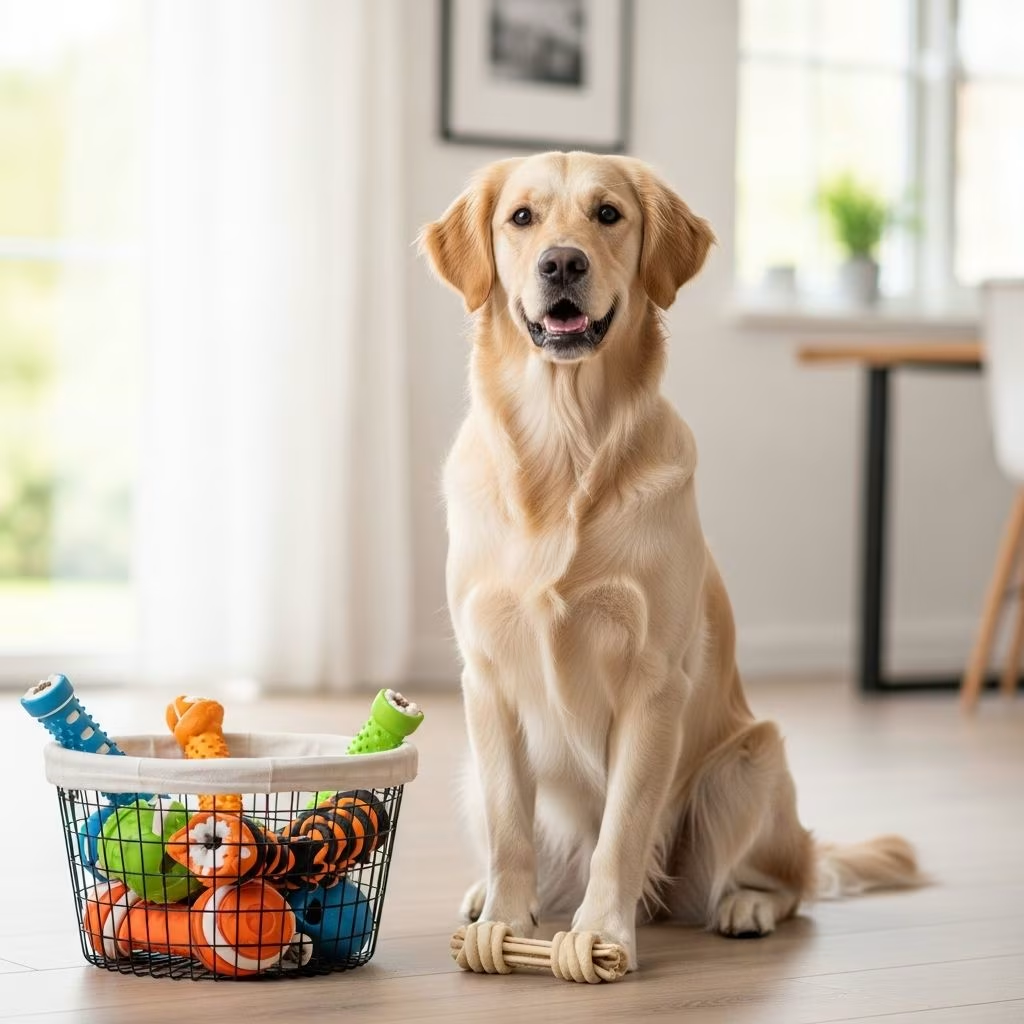
Dogs naturally chew and shred toys as an outlet for their instincts, but excessive destruction can lead to messes, safety risks, and frustration for owners. This comprehensive guide explains the reasons behind toy destruction and provides proven training methods to teach gentle play, ensuring your pup enjoys toys safely and sustainably.
Why Do Dogs Destroy Toys?
Understanding the root causes of toy destruction is the first step in addressing it effectively. Dogs destroy toys due to innate predatory instincts, where shredding mimics the stalk-chase-kill-consume cycle of hunting. Squeaky toys trigger this response because the noise resembles distressed prey, making them irresistible to many breeds like Terriers with high prey drives.
Boredom and separation anxiety also play significant roles. When left alone without stimulation, dogs turn to toys for entertainment, often ripping them apart out of under-stimulation or stress. Individual preferences matter too—some dogs favor certain textures, smells, or materials that are easier to tear, while sparing ‘favorites’ due to comfort or familiarity. Poorly constructed toys exacerbate the issue, as thin fabrics or weak seams invite destruction.
Additionally, play style influences outcomes. Toys used in tug-of-war endure more wear, while food-dispensing ones redirect focus from shredding to problem-solving. Breeds with strong chewing tendencies, like power chewers (e.g., Labs, Pit Bulls), naturally gravitate toward de-stuffing plushies. Recognizing these factors helps tailor solutions to your dog’s needs.
Is Destroying Toys Dangerous?
Occasional shredding is harmless fun, but risks arise if dogs ingest materials. Swallowing stuffing, plastic, or rubber chunks can cause choking, intestinal blockages, vomiting, lethargy, or abdominal pain. Supervise play closely and intervene if ingestion occurs.
For most dogs, destruction is safe if cleanup follows, but switch to durable options for ingestible-prone pups. Veterinary advice: consult a vet if persistent destruction coincides with behavioral changes like anxiety.
How to Teach Them to Play Gently
Training redirects destructive urges into appropriate play. Start by teaching the toy’s purpose through interactive games like fetch, tug, or hide-and-seek. Drag the toy to provoke pouncing, building positive associations without solo shredding.
- Engage actively: Play builds understanding that toys are for games, not destruction.
- Store toys post-play: Prevents unsupervised mistakes during learning.
Progress to supervised free play, praising gentle mouthing. This conditions dogs to associate careful handling with rewards. Consistency is key—never leave toys out unsupervised until habits form.
Take Toys Away Strategically
Strategic removal prevents failure. Offer the toy, monitor closely, and remove it at the first sign of shredding (picking, chomping). Return immediately for another try, rewarding gentle behavior with praise, pets, or continued play.
This ‘try again’ method teaches boundaries without frustration. Supervise 100% initially, intervening instantly to reset. Over time, dogs learn gentle play yields access and attention. Avoid punishment; focus on positive reinforcement for lasting results.
Provide Appropriate Chew Outlets
Match toys to your dog’s chew style: light, average, or power chewer. Offer variety to satisfy instincts safely.
| Chew Level | Recommended Toys | Why It Works |
|---|---|---|
| Light Chewer | Plush with squeakers, soft rubber | Satisfies mild instincts without quick destruction |
| Average Chewer | Kongs, textured rubber balls | Durable for moderate gnawing, food-stuffable |
| Power Chewer | Nylabone, Goughnuts, West Paw | Nearly indestructible, withstands heavy biting |
Rotate toys to maintain novelty, preventing boredom-induced destruction. Food-filled puzzles shift focus from shredding to foraging.
Don’t Leave Toys Out Unsupervised
Free access sets dogs up for success or failure—choose success. Confine toys to play sessions, storing them away otherwise. This controls exposure, reinforces training, and preserves toys longer.
For alone time, provide one safe, durable toy per session. Crate training with a single chew item prevents household item targeting. Gradual unsupervised access comes after proven gentle habits.
Increase Exercise and Mental Stimulation
Destructive chewing often stems from pent-up energy. Daily vigorous exercise—walks, runs, fetch—tires dogs physically, reducing toy attacks.
- Physical: 30-60 minutes/day, breed-dependent.
- Mental: Puzzle toys, training sessions, scent games.
Enrichment mimics hunting: scatter kibble, use sniff mats. Tired, stimulated dogs play gently.
Choose Durable Toys
Invest in ‘indestructible’ options vetted by experts. Veterinary behaviorist Dr. Valli Parthasarathy recommends:
- Nylabone Power Chews: Tough nylon for aggressive chewers.
- Goughnuts: Guaranteed indestructible, replaceable if chewed through.
- West Paw Zogoflex: Recyclable, bouncy, non-toxic.
- Kong Extreme: Stuffable for prolonged engagement.
Test toys under supervision; no toy is truly puppy-proof.
Address Underlying Issues
If training fails, check for anxiety, teething (puppies), or medical pain. Signs: excessive barking, pacing, aggression over toys. Consult vets or certified trainers like those at Camp Bow Wow. Management practices impact well-being.
Frequently Asked Questions (FAQs)
Why does my dog destroy some toys but not others?
Dogs target squeaky, crinkly, or easily ripped toys due to prey instincts, while sparing comforting or scent-familiar ones.
At what age do dogs stop destroying toys?
Many mellow post-adolescence (2-3 years), but power breeds chew lifelong without training.
Is it bad to let dogs destroy toys?
Safe if supervised and non-ingestible; supports natural behaviors but risks blockages.
What if my dog eats toy pieces?
Switch to solid rubber/nylon; monitor for GI issues and see a vet.
Can all dogs be trained not to destroy toys?
Most yes, with consistency; severe cases need professional behaviorists.
References
- Why Do Dogs Destroy Some Toys and Not Others? — Kinship. 2023. https://www.kinship.com/dog-behavior/why-do-dogs-destroy-certain-toys
- Why Do Dogs Destroy Toys and How to Prevent? — BeaRegards. 2023. https://bearegards.com/blogs/news/why-do-dogs-destroy-toys
- Why Dogs Shred Toys & How to Support This Behaviour — Kinship UK. 2023. https://www.kinship.com/uk/dog-behaviour/why-dog-shreds-toys
- How to Stop Your Dog From Ripping Up Their Toys — Kinship. 2023. https://www.kinship.com/dog-behavior/how-to-teach-dog-not-to-destroy-toys
- Best Indestructible Dog Toys — Kinship. 2023-02-01. https://www.kinship.com/dog-shopping/most-durable-dog-toys
- The role of dogs is associated with owner management practices — PMC (PubMed Central). 2024. https://pmc.ncbi.nlm.nih.gov/articles/PMC11557872/



