

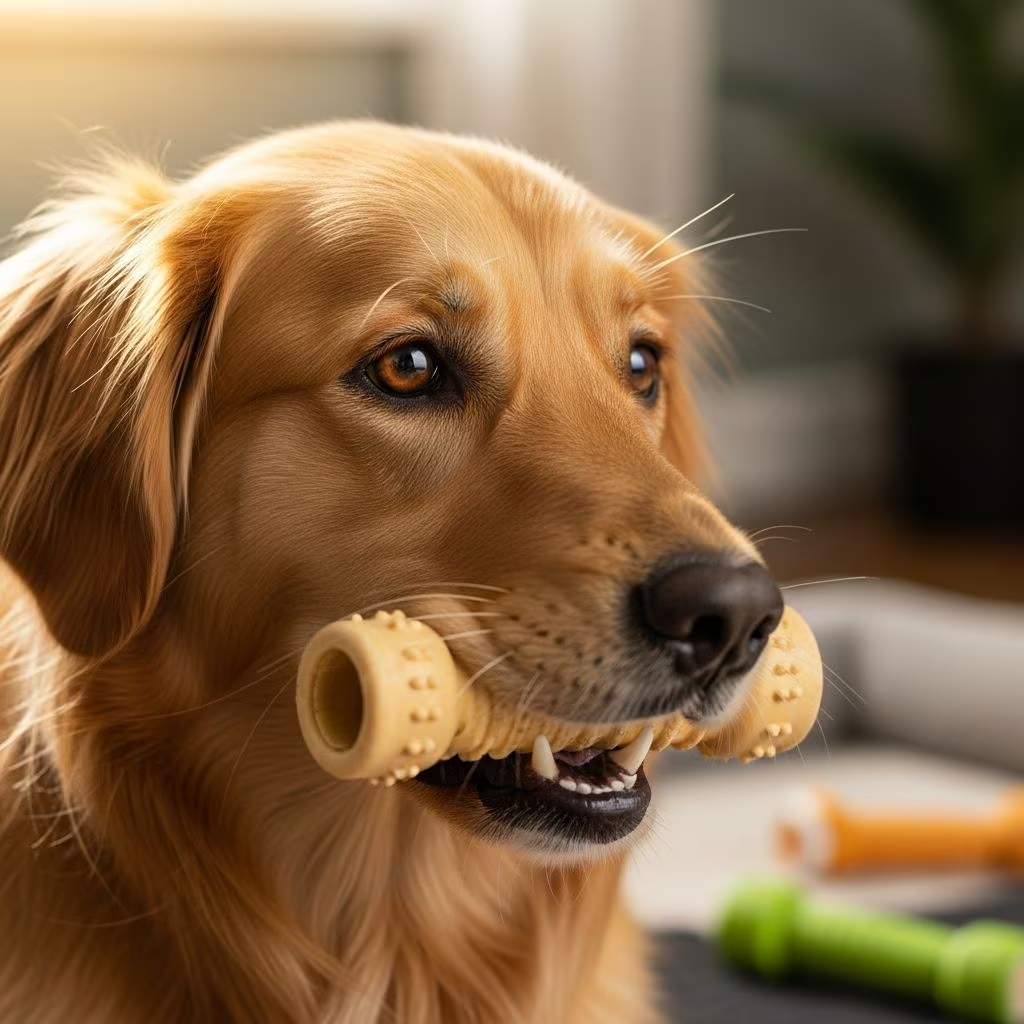
Dogs often shred toys due to natural instincts like chewing and prey drive, but with proper training and toy selection, you can teach gentle play and reduce destruction. This comprehensive guide covers the reasons behind toy destruction, safe management strategies, durable toy recommendations, and step-by-step training methods to keep your home tidy and your pup happy.
Why Do Dogs Destroy Toys?
It’s frustrating to watch your dog turn a new toy into confetti in minutes, but this behaviour stems from deeply rooted instincts. Dogs have natural chewing, shredding, and de-stuffing drives inherited from their wolf ancestors, mimicking the stalk-chase-kill-consume hunting cycle. Squeaky toys trigger prey drive with noises resembling distressed animals, while plush textures and scents make toys irresistible targets.
Boredom, excess energy, or separation anxiety can amplify destruction. An understimulated dog may rip toys to self-entertain, especially if left alone. Breeds like Terriers, with high prey drives, are particularly prone, but any dog can develop preferences for ‘easy’ targets like thin fabrics or poorly constructed items.
- Instinctual prey drive: Shaking and tearing satisfies hunting urges.
- Sensory appeal: Squeaks, crinkles, or smells entice shredding.
- Boredom or anxiety: Toys become outlets for pent-up energy or stress.
- Toy quality: Fragile materials break easily, encouraging more ripping.
- Learned behaviour: Past successes with destruction reinforce the habit.
Individual preferences play a role too—some dogs ‘baby’ certain toys due to texture, scent, or familiarity, treating them gently while annihilating others. Understanding these triggers is the first step to redirecting the behaviour productively.
Is Destroying Toys Dangerous?
Occasional shredding is normal and not inherently harmful, providing mental enrichment and stress relief. However, risks arise if dogs ingest pieces. Swallowing stuffing, plastic, or squeakers can cause choking, intestinal blockages, vomiting, lethargy, or surgery needs. Signs of trouble include abdominal pain, refusal to eat, or unusual drooling—consult a vet immediately if observed.
To minimize dangers:
- Supervise all play sessions closely.
- Remove toys at the first sign of aggressive shredding.
- Choose toys without small, swallowable parts.
- Clean up debris promptly to prevent scavenging.
Experts note that while mess is inevitable, proactive management keeps it safe. ‘Destruction is not unsafe—just clean up after they’ve had their fun,’ as long as ingestion is avoided.
How to Teach Your Dog Not to Destroy Toys
Training focuses on teaching appropriate play, strategic toy management, and providing alternatives. Consistency and supervision are key—never leave a dog unsupervised with destructible toys.
1. Teach Them How to Play with the Toy
Engage your dog interactively to shift focus from destruction to games like fetch, tug, or hide-and-seek. Drag the toy to trigger pouncing instincts without shredding. Praise calm interactions and store the toy post-play. Over time, they associate toys with fun games, not targets.
- Start sessions short (5-10 minutes) to build positive habits.
- Use high-value rewards like treats for gentle mouthing.
- Rotate toys to maintain novelty and prevent boredom fixation.
2. Take Toys Away Strategically
Offer the toy, but intervene early—at picking, chomping, or shredding. Calmly remove it, then return for another try. Reward gentle handling with praise, pets, or continued play. This teaches boundaries without frustration. Supervise constantly; if destroyer mode activates, swap immediately.
Pro tip: Use a ‘leave it’ command during training. Say it firmly before removal, rewarding compliance.
3. Provide Durable, Indestructible Alternatives
Match toys to your dog’s chew strength. Power chewers need heavy-duty options that withstand abuse.
| Toy Type | Best For | Examples | Durability Rating |
|---|---|---|---|
| Rubber Chews | Heavy chewers | Kong Extreme, Benebone | High |
| Rope Tugs | Tug lovers | Mammoth Flossy Chews | Medium-High |
| Food Puzzle Toys | Boredom busters | Nina Ottosson puzzles | High |
| Hard Plastic | Moderate chewers | Nylabone DuraChew | Medium |
Veterinary behaviorists recommend these for destructive dogs, as they redirect energy without quick failure. Stuff with peanut butter or kibble to extend engagement.
4. Support Safe Shredding
Don’t suppress instincts entirely—offer ‘disposable’ toys designed for destruction, like cheap rags or firehose toys, in controlled sessions. Supervise to prevent ingestion, intervening if fragments become hazardous. This satisfies urges healthily without risking household items.
5. Address Underlying Issues
Rule out anxiety: Watch for panting, pacing, or obsessive toy focus. Increase exercise (60+ minutes daily), mental stimulation, and alone-time training. If persistent, consult a vet or trainer for anxiety protocols.
Choosing the Right Toys for Destructive Dogs
Select based on size, breed, and chew style. Small dogs may need tiny durable toys; giants require XL sizes. Avoid:
- Thin fabrics or plush without reinforcement.
- Toys with easily removable squeakers.
- Children’s toys (choking hazards).
Favorites include West Paw Zogoflex (recyclable, bouncy) and Goughnuts (guaranteed indestructible). Test toys yourself for weak points before giving to your dog.
Frequently Asked Questions (FAQs)
Why does my dog destroy some toys but not others?
Dogs prefer toys with enticing squeaks, textures, or scents that trigger prey drive. Familiar or less interactive ones are often spared.
At what age do dogs stop destroying toys?
Many mellow by 2-3 years with training, but high-drive breeds may continue lifelong. Maturity and outlets help.
Is it bad if my dog eats toy pieces?
Yes—risks blockages or choking. Switch to non-ingestible toys and supervise.
How much exercise prevents toy destruction?
Aim for 1-2 hours daily of walks, play, and puzzles to burn energy.
Can all dogs be trained not to destroy toys?
Most yes, with consistency. Extreme cases may need professional help.
Long-Term Management Tips
Rotate 4-6 toys weekly to preserve novelty. Track which survive for future buys. Combine with obedience training like ‘drop it’ for better control. Patience pays off—most dogs learn within weeks.
By blending training, durable gear, and instinct support, you’ll curb destruction while enriching your dog’s life. Clean less, play more!
References
- Why Do Dogs Destroy Some Toys and Not Others? — Kinship. 2023. https://www.kinship.com/dog-behavior/why-do-dogs-destroy-certain-toys
- Why Do Dogs Destroy Toys and How to Prevent? — BeaRegards. 2024. https://bearegards.com/blogs/news/why-do-dogs-destroy-toys
- Why Dogs Shred Toys & How to Support This Behaviour — Kinship UK. 2024. https://www.kinship.com/uk/dog-behaviour/why-dog-shreds-toys
- How to Stop Your Dog From Ripping Up Their Toys — Kinship. 2023. https://www.kinship.com/dog-behavior/how-to-teach-dog-not-to-destroy-toys
- How to Teach Your Dog Not to Destroy Toys — Kinship (YouTube). 2023. https://www.youtube.com/watch?v=m4-gbyrXcW0
- Recognizing Abnormal Canine Stress and Dog Anxiety — PetHub. 2023. https://www.pethub.com/articles/242692/recognizing-abnormal-canine-stress-and-dog-anxiety
- Best Indestructible Dog Toys — Kinship. 2023-02-01. https://www.kinship.com/dog-shopping/most-durable-dog-toys



