

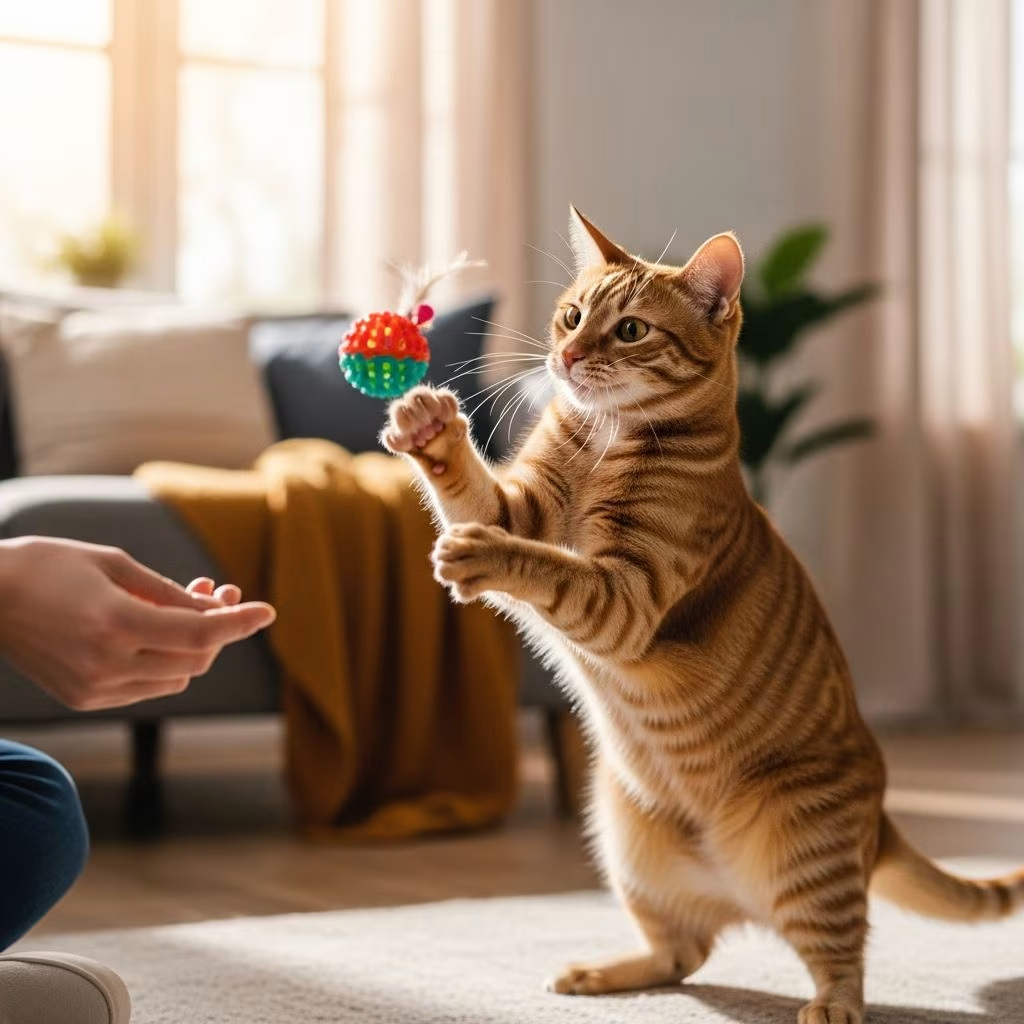
How to Teach a Cat to Fetch: Step-by-Step Guide
Cats have earned a reputation for independence and doing things on their own terms, but the truth is that your feline companion is incredibly intelligent and fully capable of learning cool tricks. One of the most surprising skills you can teach your cat is fetch—a game traditionally associated with dogs. With patience, determination, and some tasty cat treats, you can transform your cat into an enthusiastic fetch enthusiast. Unlike dogs, cats require a different approach to training, but the rewards are absolutely worth the effort.
How To Teach a Cat to Fetch: Step by Step
1. Pick Out a Desirable Cat Toy
The foundation of successful fetch training begins with selecting the right toy. Your goal is to make this toy seem like the most interesting thing in your cat’s world. Choose something lightweight and easy for your cat to carry in their mouth, such as small plush toys, feathered toys, or springy cat toys. The easier your cat can grip and transport the toy, the more likely they’ll be to engage in the fetch behavior.
Pay attention to your cat’s preferences—some cats are attracted to toys with catnip, while others prefer crinkly sounds or feathered designs. Experiment with different options to discover what captures your cat’s attention most effectively. Anything you can do to generate genuine excitement about the toy increases the likelihood that your cat will chase and retrieve it.
2. Create Interest and Excitement
Once you’ve selected an appropriate toy, your next step is building genuine interest and enthusiasm. Use engaging movements to animate the toy—drag it across the floor, toss it gently, or let it bounce unpredictably. The more interactive and enticing you make the toy appear, the more your cat will want to chase it. This is about triggering their natural hunting instincts and making them view the toy as prey worth pursuing.
3. Introduce a Verbal Cue
As your cat begins to show interest in chasing the toy, introduce a specific verbal cue such as “fetch” or “get it.” Consistency is key—use the same word every time you play. When your cat has the toy in their mouth or paws, say your chosen verbal cue immediately to create an association between the command and the behavior. This verbal marker helps your cat understand what action you’re requesting.
4. Encourage the Return
The crucial component that distinguishes fetch from simple chasing is getting your cat to return the toy to you. After your cat picks up the toy, call their name gently and happily. Have a high-value treat in your hand to create motivation for them to come back to you. If your cat successfully fetches the toy by running after it, picking it up, and bringing it back, celebrate enthusiastically with treats and praise. This positive reinforcement is absolutely critical—it tells your cat that returning the toy results in rewards.
5. Keep Practicing
Like any training skill, consistency and repetition are essential. Continue practicing this behavior regularly with your cat. It’s important to understand that this process might not happen overnight. While some cats pick up fetch quickly, others may require weeks or even months of practice. Patience is your greatest ally in this training journey.
If your cat doesn’t seem to be grasping the concept, take a break from training for a few days. Then restart with either the same toy (if they showed interest) or a different toy altogether. Sometimes switching to a new treat can also reinvigorate your cat’s interest and motivation.
Helpful Cat Training Tips
Understanding Cat Learning Differences
Training cats differs significantly from training dogs. Cats can have shorter attention spans, requiring training sessions to be brief, focused, and highly engaging. Once your cat loses interest, it’s the right time to end the session and try again another day. Forcing extended training sessions will only discourage your cat from participating.
Cats aren’t less intelligent than dogs—they’re simply wired differently. Dogs have been selectively bred for thousands of years to respond to human commands and work cooperatively with people. Cats, on the other hand, maintain a more independent nature and require different motivational approaches. Understanding this fundamental difference will help you adjust your expectations and training methodology accordingly.
Try Clicker Training
Clicker training represents an effective method for training cats and teaching them fetch. This technique involves using a small device that produces a distinctive clicking sound to mark the exact moment your cat performs the desired behavior. Here’s how it works: click the device the instant your cat exhibits the behavior you want to reinforce, then immediately follow the click with a treat.
The beauty of clicker training is that it provides precise timing and creates a clear association between the desired behavior and the reward. Cats are intelligent animals that quickly recognize patterns and associations, so this method aligns well with feline learning capabilities. Over time, your cat will understand that the click sound means they’ve done something right and a reward is coming.
Stay the Course
Generally speaking, cats require longer training periods compared to dogs. This isn’t because they lack intelligence—any cat would certainly argue against that assessment! Rather, cats sometimes simply aren’t as motivated by performing tricks as dogs are. The key to success is maintaining patience and consistency with your training efforts. Set realistic expectations, celebrate small progress, and remember that the journey is just as important as the destination.
Use Positive Reinforcement Effectively
Positive reinforcement is absolutely crucial when training cats. When your kitty shows interest in the toy, chases after it, or successfully retrieves it, provide immediate rewards in the form of tasty treats and enthusiastic praise. Cats respond far better to rewards than to punishment or negative reinforcement. Building positive associations ensures your cat remains motivated and eager to participate in training sessions.
Keep the Toy Special
Don’t leave the fetch toy lying around the house where your cat can access it anytime. This diminishes the toy’s value and appeal. Instead, store the toy in a special place such as a drawer or cabinet and only bring it out during designated fetch training sessions. By creating scarcity and exclusivity around the toy, you increase its perceived value. When your cat hears you opening the drawer or cabinet, they’ll anticipate that fetch time has arrived and come running with excitement.
Why Does My Cat Play Fetch? Is It Normal?
If you’ve successfully taught your cat to play fetch, you might wonder whether this behavior is actually normal. The good news is that fetching behavior in cats is not unusual at all. In fact, some cats naturally exhibit fetching behavior without any deliberate training or practice. Many pet parents unintentionally encourage this behavior through positive reinforcement when they pet or praise their cat for bringing them objects.
It’s completely normal for a cat to fetch, especially if they seem to genuinely enjoy the activity. Some cats are naturally inclined toward this game due to their inherent hunting instincts and playful personality. Others may have picked up the behavior from observing other cats or from past interactions with pet parents who rewarded retrieval behavior.
The key indicator of whether fetch is appropriate for your cat is their genuine enjoyment of the activity. Not all cats will develop an interest in fetch, and that’s perfectly acceptable. Every cat has unique personality traits, preferences, and play styles. If your cat shows no interest in fetch after consistent training efforts, respect their preferences and explore other enrichment activities that genuinely excite them.
Additional Benefits of Teaching Fetch to Your Cat
Physical and Mental Enrichment
Playing fetch provides both physical exercise and mental stimulation for your cat. When you play with purpose—like with a structured fetch game—you achieve dual enrichment benefits. Your cat gets the cardiovascular activity they need to maintain healthy weight and fitness levels, while simultaneously engaging their hunting instincts and problem-solving abilities.
Strengthening Your Bond
Training your cat and playing fetch together strengthens the bond between you and your feline companion. These interactive sessions demonstrate that you value quality time together and that you understand what makes your cat happy. The positive interactions and rewards create positive associations with your presence, potentially leading to a more affectionate and engaged relationship.
Frequently Asked Questions About Teaching Cats to Fetch
Q: How long does it take to teach a cat to fetch?
A: The timeline varies significantly depending on your cat’s individual personality and previous training experience. Some cats may pick up fetch within days or weeks, while others might require several months of consistent practice. Patience and regular practice sessions are essential for success.
Q: What if my cat shows no interest in the toy?
A: Try different types of toys to discover what genuinely captures your cat’s attention. Some cats prefer feathered toys, others like plush mice or springy toys. You might also experiment with toys that have catnip or other enticing elements. Every cat has unique preferences, so finding the right toy may require some trial and error.
Q: Can all cats learn to fetch?
A: While many cats can learn to fetch with proper training, not all cats will develop an interest in this activity. Some cats are naturally more motivated by fetch than others due to their personality and hunting drive. If your cat doesn’t respond to fetch training after consistent efforts, it’s perfectly acceptable to explore other enrichment activities they enjoy more.
Q: Should I use punishment if my cat doesn’t follow my commands?
A: No, punishment is ineffective and counterproductive with cats. Cats respond far better to positive reinforcement and rewards. Punishment can damage your relationship with your cat and discourage future training attempts. Focus exclusively on rewarding desired behaviors with treats, praise, and affection.
Q: How often should I practice fetch training with my cat?
A: Keep training sessions short and frequent—aim for 5 to 10 minute sessions several times per week. Cats have shorter attention spans than dogs, so brief, engaging sessions work better than long, drawn-out training periods. Always end on a positive note while your cat is still interested and motivated.
Q: What treats work best for fetch training?
A: Use high-value treats that your cat finds irresistible—something more special than their regular daily food. Look for soft, chewy treats or treats with strong flavors that your cat loves. Reserve these special treats exclusively for training sessions to maintain their appeal and motivational value.
Q: Can older cats learn to fetch?
A: Yes, older cats can absolutely learn new behaviors including fetch. However, you may need to be more patient and mindful of their physical limitations. Ensure your older cat is in good health and able to engage in physical activity. Shorter training sessions and gentler play may be necessary to keep them comfortable and motivated.
References
- How to Teach a Cat to Fetch: Step-by-Step Guide — Chewy. 2024. https://www.chewy.com/education/cat/training-and-behavior/how-to-train-a-cat-to-fetch
- How to Teach a Cat to Fetch — PetMD. https://www.petmd.com/cat/behavior/how-teach-cat-fetch
- How to Play With Your Cat — Chewy. https://www.chewy.com/education/cat/training-and-behavior/playing-with-cats
- How to Make Your Cat Exercise: Tips and Toys to Use — Chewy. https://www.chewy.com/education/cat/training-and-behavior/yes-you-can-make-your-cat-exercise
- 5 Fun Things to Do With Your Cat This Weekend — Chewy. https://www.chewy.com/education/cat/pet-parenting/5-fun-things-to-do-with-your-cat-this-weekend



