

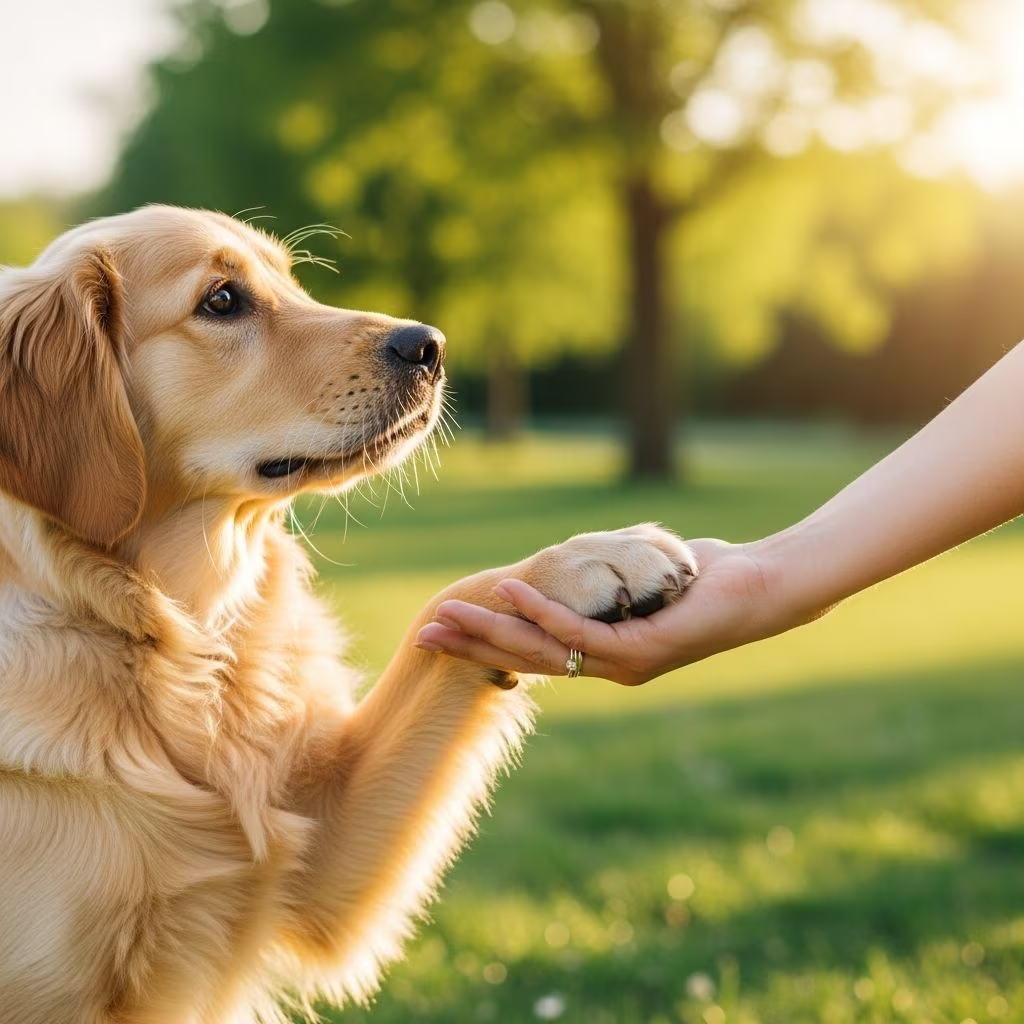
Teaching your dog to shake paws is a delightful trick that strengthens the bond between you and your pet while providing mental stimulation. This classic behavior, where your dog offers its paw on cue, is accessible for dogs of all ages and breeds when taught with positive reinforcement methods. Not only does it impress friends and family, but it also builds impulse control and focus in your dog. However, modern trainers caution about potential drawbacks, such as unwanted pawing, emphasizing the need for proper stimulus control.
Why Teach Your Dog to Shake?
Shake is more than a party trick; it’s an entry point into trick training that boosts your dog’s confidence and your training skills. According to dog trainer Jamie Hansen, people love the interaction it provides, mimicking human gestures for a personal touch. Trick training like shake promotes focus, learning patterns, and a stronger human-canine bond through positive methods, as noted by stunt-dog trainer Kyra Sundance. For puppies, it’s ideal after basics like sit and leave-it, preventing default pawing during sessions.
Benefits include:
- Enhanced Bonding: Shared successes release oxytocin, fostering trust.
- Mental Exercise: Engages problem-solving, reducing boredom-related behaviors.
- Impulse Control: Teaches offering paws only on cue.
- Grooming Aid: Facilitates paw handling for nail trims and vet visits.
- Fun and Impressive: Entertains and socializes your dog.
Is Shake Right for Your Dog?
Not all dogs thrive with shake due to its physical contact. Shy dogs may stress from stranger paw touches, risking defensive reactions. Larger breeds pose injury risks if pawing escalates to jumping. Assess your tolerance: If spontaneous pawing bothers you, consider alternatives. Hansen advises reinforcing sit instead or teaching wave, which avoids contact and requires more effort, reducing unprompted offers.
Preparation Before Training
Success starts with prerequisites. Ensure your dog knows ‘sit’ reliably. Have high-value treats (e.g., chicken bits), a clicker if using one, and a quiet space. Sessions should last 5-10 minutes, 3-5 times daily. Puppies under 8 weeks or seniors with joint issues may need gentler approaches. Wait a month post-adoption for new dogs to grasp cue concepts.
Step-by-Step Guide: How to Teach Shake
Use shaping or capturing natural paw lifts. Positive reinforcement ensures reliability without force.
- Capture Natural Pawing: Sit with treats in a closed fist at nose level. When your dog paws it, mark (‘yes!’ or click) and reward. Repeat until consistent.
- Introduce Hand Target: Hold an open hand palm-up at paw height. Jiggle if needed. Mark paw contact, treat from other hand. Fade jiggle gradually.
- Add Cue: Say ‘shake’ before offering hand. Mark paw lift to hand, reward. Practice left/right paws separately for precision.
- Build Duration and Position: Raise hand higher for high-five variation. Vary hand orientation. Reward stays.
- Test Stimulus Control: Say cue, offer empty hand. Reward only correct response. Ignore errors.
- Generalize: Practice standing, with distractions, different people/locations.
Pro Tip: For stubborn dogs, use a prop like a lid over treat; mark paw hits, then transfer to hand.
Tips for Success
- Use High-Value Rewards: Vary to maintain interest.
- Short Sessions: End on success to build enthusiasm.
- Consistency: Same cue/hand signal every time.
- Patience: Some dogs take weeks; celebrate progress.
- Hand Signals First: Visual cues prevent verbal confusion.
Common Mistakes and Troubleshooting
| Mistake | Why It Happens | Solution |
|---|---|---|
| Unprompted Pawing | Poor stimulus control | Return to hand signal only; ignore off-cue offers |
| Dog Jumps Instead | Excitement or misassociation | Lower criteria; reinforce sit first |
| No Paw Offer | Fear or confusion | Use target stick; build slowly with tiny lifts |
| Wrong Paw | Lack of laterality training | Practice sides separately; use mirrors |
| Refusal in Distractions | Insufficient generalization | Gradual proofing |
Potential Problems with Shake
Modern learning theory reveals risks: Positively reinforced behaviors spill over spontaneously. Dogs may paw strangers for treats, escalating to jumping and injury. Roche warns it’s hard for dogs to differentiate one paw vs. two. For shy pups, forced contact stresses them. Solution: High stimulus control or switch tricks.
Alternatives to Shake: Teach Wave Instead
Wave offers charm without contact. Hansen recommends it as cuter and safer.
- Teach Sit Pretty: Lure treat over head from sit; reward rear-up stretch. Build hold duration.
- Shape Wave: From pretty, gently lift paw while saying ‘wave,’ treat. Or model waving yourself.
- Fade Support: Offer hand near paw without touch; mark lift.
- Add Cue: Verbal before motion; practice variations.
Wave demands balance, deterring random offers. Other tricks: spin, crawl from natural creep.
Advanced Variations
- High Five: Raise hand higher; mark overhead paw.
- Shake with Both Paws: Alternate cues.
- Shake on Different Surfaces: Build for agility.
- Chained Tricks: Shake then spin.
Benefits for Different Dogs
Puppies gain foundational skills; adults combat boredom; seniors stay mentally sharp. Breeds like Labs excel; herding dogs add flair. Always tailor to physical ability.
Frequently Asked Questions (FAQs)
Q: When should I start teaching shake?
A: After basics like sit and leave-it, around 8-12 weeks for puppies. Avoid as first trick to prevent default pawing.
Q: My dog paws everyone unprompted. What now?
A: Retrain with strict stimulus control. Ignore off-cue paws; reinforce alternatives like sit.
Q: Can older dogs learn shake?
A: Yes, with patience. Use shaping for less mobility.
Q: Is shake useful beyond tricks?
A: Yes, aids grooming, vet exams, builds handling comfort.
Q: How long until mastery?
A: 1-4 weeks with daily practice; varies by dog.
Q: Should I teach both paws?
A: Yes, for versatility; use ‘shake left/right’ or hand signals.
Final Thoughts
Teaching shake enriches your dog’s life when done right. Prioritize control to avoid pitfalls, and explore alternatives for safety. Consistent, fun training yields a polite, paw-ready pup ready to wow. Happy training!
References
- Is “Shake” a Bad Word For Your Dog to Learn? — Kinship. 2023. https://www.kinship.com/dog-behavior/is-shake-a-bad-word
- Teach your dog to SHAKE — YouTube (Epic the Chihuahua Training Video). 2023. https://www.youtube.com/watch?v=42OOTnTETNw
- Why Dog Trick Training is Good For All Dogs — Kinship. 2023. https://www.kinship.com/dog-behavior/dog-trick-training



