

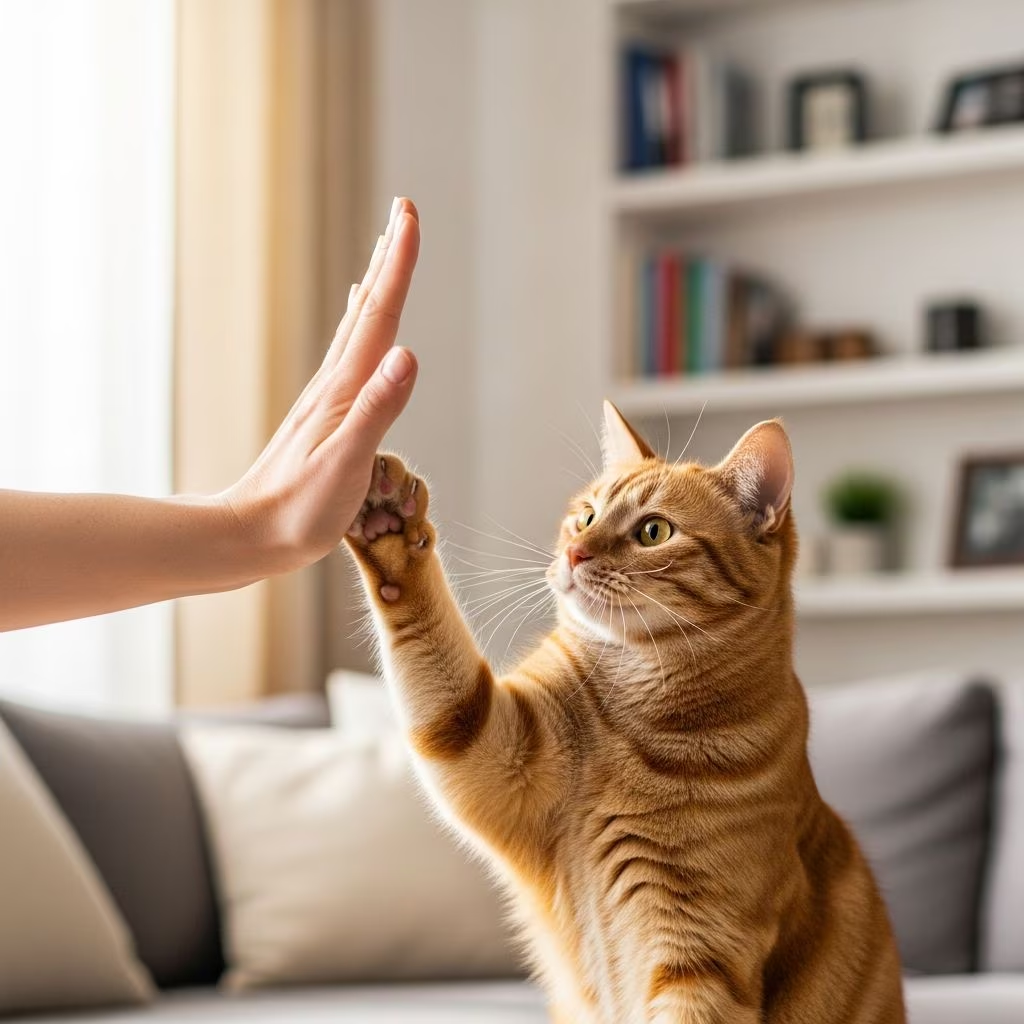
Teaching your cat to high-five is a fun and rewarding way to strengthen your bond while providing mental stimulation. Using positive reinforcement with treats and optional clicker training, most cats can learn this impressive trick in just a few short sessions.
Teaching a Cat Tricks 101
Cat training relies on **positive reinforcement**, where desirable behaviors are rewarded with high-value treats, making them more likely to repeat. Unlike punishment-based methods, this approach builds trust and keeps sessions enjoyable for both you and your cat.
Key principles for success:
- Patience and consistency: Cats learn through repetition; expect multiple short sessions over days or weeks.
- High-quality treats: Use smelly, soft treats your cat loves, like tuna flakes or commercial training treats, to maintain motivation.
- No punishment: If your cat doesn’t perform, simply end the session positively—never scold or force.
- Clicker optional but effective: A clicker marks the exact moment of correct behavior, bridging the gap to the treat delivery.
Start in a quiet room with minimal distractions. Sessions should last 1-2 minutes, 3-5 times daily, to match your cat’s short attention span and prevent frustration.
How Do You Teach a Cat to High-Five?
The high-five trick breaks down into simple, achievable steps using a **sticky note as a target**. This visual cue guides your cat’s paw to your hand, gradually fading out until they respond to your open palm alone. Progress at your cat’s pace—rushing leads to confusion.
Tools needed:
- Sticky notes (small, non-toxic).
- Treats (vary types to keep interest high).
- Clicker (optional, from cat training kits).
- Quiet training space.
Always begin with your cat in a **sit position** for stability. Lure them into sit by holding a treat above their nose if needed.
Step-by-Step Guide
Follow these five progressive steps, mastering each before advancing. Each step reinforces paw targeting, building toward the full high-five.
- Paw on sticky note (foundation): Place a treat on the floor and cover it with a sticky note. When your cat paws or moves the note, click (if using) and reward immediately. Repeat 5-10 times until they reliably paw it. This teaches paw targeting.
- Sticky note on hand, low position: Stick the note to your open palm, hold it flat on the floor in front of sitting cat. Click/treat for paw contact. Once consistent (80-90% success), raise hand 2-3 inches. Gradually increase height over sessions, always rewarding paw touches.
- Transition to upright high-five position: With note on palm, turn hand vertical (fingers up). Present at chest height. Click/treat paw contact. Practice at varying heights until reliable. Your cat now associates paw-to-palm with rewards.
- Fade the sticky note gradually: Tear note in half, place half on palm, present hand. Reward high-fives. Halve again, repeating until it’s a tiny scrap. Only shrink when success rate is high.
- Bare hand high-five: Present empty palm upright. Click/treat immediate paw contact. Practice extensively to solidify. Add verbal cue like “High five!” just before presenting hand, fading it in over time.
Pro Tip: If using a clicker, charge it first: Click, then treat repeatedly so cat links sound to reward.
Common Problems and Solutions
Training hitches are normal—troubleshoot without frustration. Here’s a table of frequent issues and fixes:
| Problem | Symptom | Solution |
|---|---|---|
| Nose instead of paw | Cat sniffs/boops note with nose when raised | Lower hand height, practice more at ground level. Gradually raise slower; reward only paw touches. |
| Loss of interest | Cat walks away or ignores | End session, use higher-value treats or switch types. Keep sessions under 2 minutes. |
| Not sitting/staying | Cat stands or moves during cue | Practice basic sit first. Lure with treat over head. |
| Over-excitement (biting/grabbing) | Cat paws too hard or grabs hand | Withdraw hand calmly, reward gentler touches. Use thicker target initially. |
| Regression | Performs early but forgets later steps | Go back one step, rebuild fluency slowly. |
Most issues stem from advancing too quickly. If stuck, regress one step for 2-3 sessions.
Make Training Sessions Short and Fun
Cats thrive on brevity: Aim for **3-5 sessions daily, 1-2 minutes each**. This leverages their peak focus and prevents burnout. End every session on a success—never mid-frustration.
- Vary treats: Rotate flavors (chicken, fish, freeze-dried liver) to spike excitement.
- Incorporate play: Follow training with wand toy for physical outlet.
- Track progress: Note successes per session to celebrate milestones.
- Family involvement: Once mastered, teach others to reinforce consistency.
Short sessions yield faster results than marathon ones, as cats retain more from positive, bite-sized learning.
Benefits of Teaching Tricks Like High-Five
Beyond Instagram-worthy moments, trick training enriches your cat’s life:
- Mental stimulation: Combats boredom, reducing destructive behaviors.
- Confidence boost: Success builds self-assurance, especially for shy cats.
- Stronger bond: Shared achievements deepen trust and communication.
- Practical skills: Paw targeting transfers to vet visits (pilling, exams) or nail trims.
Programs like Cat School demonstrate cats mastering high-five, fist bump, and low-five, proving versatility.
Advanced Variations
Once high-five is solid, expand:
- Low-five: Keep hand low/parallel to floor, fade note same way.
- Fist bump: Use cup or balled fist as target, transition to fist.
- Double high-five: Cue both paws sequentially.
Layer cues like “High ten!” for both paws.
Frequently Asked Questions (FAQs)
Can any cat learn to high-five?
Yes, kittens, adults, and seniors can learn with patience. Adjust for mobility (e.g., lower hand for older cats).
How long does it take?
1-2 weeks for basics, fluency in 4-6 weeks with daily practice. Varies by cat’s motivation and consistency.
What if my cat hates treats?
Use toys, praise, or mealtime kibble. Find ultimate motivators through trial.
Is clicker training necessary?
No, but it speeds learning by precise marking. Verbal “yes!” works too.
My cat scratches—how to prevent?
Reward light touches only; use glove initially. Trim nails pre-training.
Can multi-cat homes train together?
Yes, but individually to avoid competition. Rotate turns.
References
- Dream of High-Fiving Your Cat? Here’s How to Teach a Cat Tricks — Kinship. 2023. https://www.kinship.com/cat-behavior/how-to-teach-a-cat-to-high-five
- PAW TRICKS to teach your cat (high five, low five, fist bump) — Cat School (YouTube). 2021-11-07. https://www.youtube.com/watch?v=xKaq3OEvp4c
- How to Train Your Cat: Tips and Cues for Kittens — Kinship. 2023. https://www.kinship.com/cat-behavior/how-to-train-your-cat



