

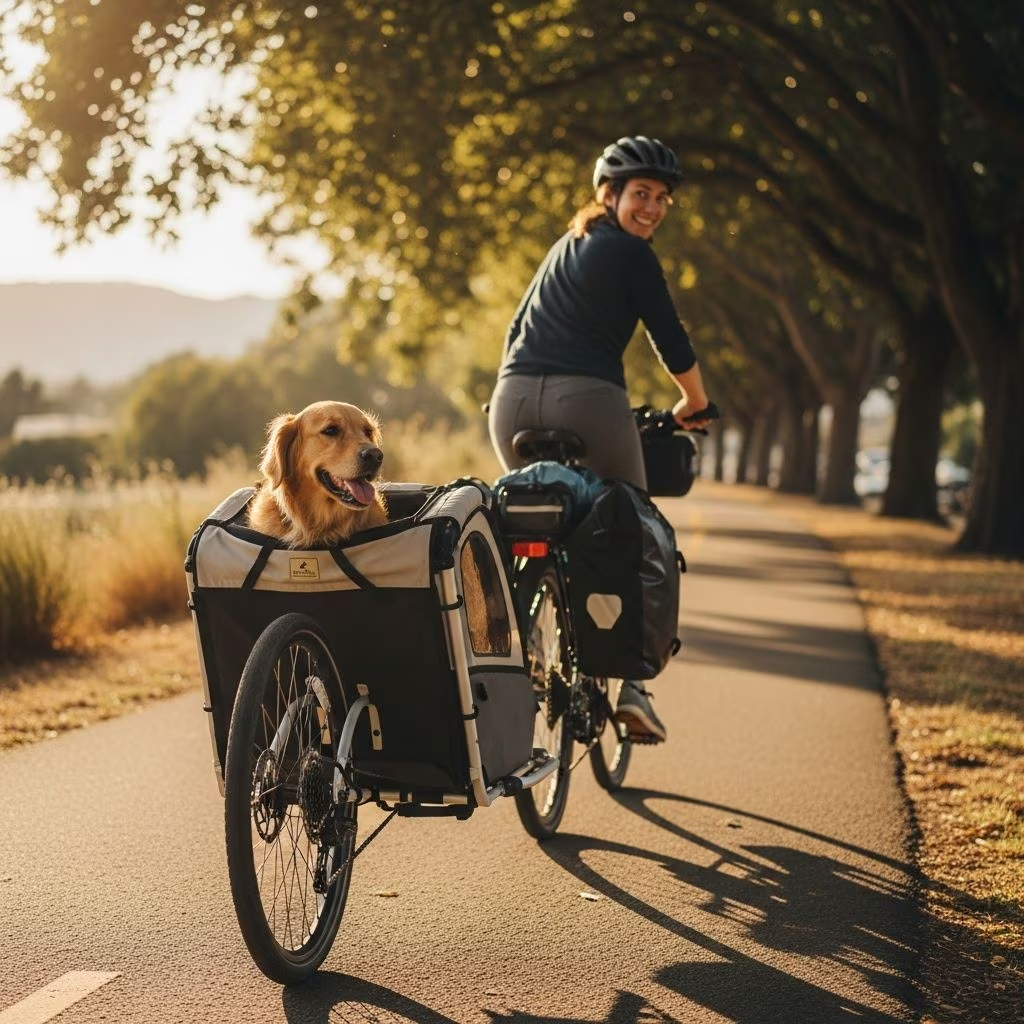
How to Take Your Dog on a Bike Ride Safely
You may think that dogs and bicycles shouldn’t mix, but going on a bike ride with your pup can be fun for both of you—as long as you know how to do it safely. If you have a small dog, you’ll want to take them in a bike trailer or basket; if your dog is bigger and in good shape, they may be able to run alongside your bike and burn some energy. Whether your furry friend rides in a carrier or runs beside you, biking together offers an excellent way to keep them physically active, mentally stimulated, and engaged while you get exercise. This comprehensive guide will walk you through everything you need to know to start biking with your dog confidently.
Getting Started: Bike Safety Fundamentals
Biking can be an incredibly fulfilling activity, but it doesn’t come without safety hazards for both you and your pup. While out riding, there are many potential distractions—cars, squirrels, other animals, and unpredictable obstacles—so preparation is essential. If you have a fearful, skittish, or reactive dog, you’ll need to work on their training before attempting to ride. Understanding the risks and taking preventative measures will ensure that both you and your canine companion enjoy the experience safely.
Before hitting the road, assess your dog’s physical condition and temperament. Not every dog is suited for running alongside a bicycle. Dogs with certain health conditions, very young puppies, senior dogs, or breeds prone to joint problems may not be ideal candidates for running alongside your bike. Additionally, dogs that haven’t been socialized or trained to respond to basic commands may find the experience overwhelming and dangerous.
Choosing the Right Equipment for Your Dog’s Size
The first step in preparing for bike rides with your dog is selecting the appropriate equipment based on your dog’s size and comfort level.
For Small Dogs: Baskets and Carriers
If you have a small dog, there are plenty of bike baskets available that attach to handlebars or the rear of the bike. These baskets provide a secure, comfortable spot for your pup to enjoy the ride while you pedal. Some baskets even offer added storage for poop bags, leashes, and water bowls—keeping everything you need within easy reach. When selecting a basket, ensure it has proper ventilation, secure attachment points, and a design that prevents your dog from jumping out during the ride.
Dog trailers are another excellent option for small to medium-sized dogs. These attach to the back of your bike and provide a secure, enclosed space where your pup can sit comfortably while you pedal. Trailers offer superior protection from the elements and provide a smooth ride even on bumpy terrain. They’re particularly useful if your dog enjoys a cozy space or if you’re concerned about them jumping out.
For Larger Dogs: Leash Attachments
For larger dogs in good physical condition, a hands-free leash attachment is essential. Don’t hit the road without a hands-free leash attachment that clamps onto the frame of the bike and lowers the risk of the leash getting tangled in pedals and gears. Quality leash attachments feature safety releases in case of emergency stops or unexpected situations. These attachments allow your dog to run alongside your bike safely, but they require a well-trained dog with good stamina and the ability to respond to commands reliably.
Preparing Your Dog for the Ride
Success with biking depends heavily on proper preparation and gradual acclimation. If your dog has never been near a moving bicycle before, jumping straight into a ride can be overwhelming and counterproductive.
Step-by-Step Introduction Process
Follow these essential steps to introduce your dog to biking safely:
- Stationary familiarization: Start by letting your dog inspect the bike while it’s stationary. Allow them to sniff, sit near it, and get comfortable around it. Use treats to reinforce positive associations with the bike itself.
- Walking alongside the bike: Once your dog seems at ease, walk the bike alongside them at a slow pace, rewarding them for staying calm with treats and praise. This reinforces that the bike is a positive experience.
- Introducing the leash attachment: If using a leash attachment, let your dog become accustomed to the hardware before any riding occurs. Attach it while stationary and reward calm behavior.
- Short, slow rides: After several sessions of walking with the bike, take short, slow rides in a quiet, controlled environment such as an empty parking lot or quiet residential street.
- Gradual progression: As your dog becomes more confident, gradually increase the duration and difficulty of rides before progressing to busier paths and longer distances.
Training Requirements
Basic obedience training is non-negotiable for safe biking. Commands like “stop,” “slow,” and “leave it” can prevent accidents and keep your dog under control if they get distracted by other animals, people, or environmental stimuli. If your pup tends to get overly excited, a structured training approach will help reinforce good behavior before and during rides. Assess your dog’s comfort level before every ride—if they seem hesitant, go back a step in the training process rather than pushing forward.
Safety Considerations and Legal Requirements
Beyond general training and equipment, safety gear requirements and legal regulations vary by location. Some regions have strict laws about keeping dogs secured with a harness rather than a collar when biking, especially if they are running alongside you. This is important because collars can cause injury during sudden stops or if the dog lunges.
Reflective gear or lights may also be legally required if you plan on riding during low-light hours. Investing in reflective vests for both you and your dog, as well as lights on your bike, significantly increases visibility to cars and other cyclists. If you’re traveling to a new location for an outdoor adventure, it’s a good idea to research regulations ahead of time to avoid any surprises. A little preparation ensures that you and your pup can enjoy a stress-free ride wherever you go.
Building Endurance and Confidence
Building your dog’s endurance for biking takes time and patience. Start with very short distances—perhaps a quarter mile—and gradually increase as your dog demonstrates comfort and fitness. Monitor your dog’s breathing, body language, and enthusiasm throughout each ride. Signs of fatigue, overheating, or anxiety should prompt you to slow down, take a break, or end the ride early.
If you’re using a dog carrier or trailer, make sure your dog gets breaks to stretch their legs so they don’t get stiff. Stop regularly for potty breaks and sniffs—these are essential not just for bathroom needs but also for mental stimulation and stress relief. Most importantly, don’t forget that your dog experiences the world differently than you do. What might feel like a pleasant ride to you could be overwhelming for your dog without proper breaks and positive reinforcement.
Making the Experience Fun and Sustainable
The key to making cycling with your dog a lasting habit is keeping it fresh, exciting, and stress-free for both of you. Just like humans, dogs thrive on variety—riding the same route every time can get boring for them and for you.
Adding Variety to Your Routes
- Switch things up by exploring different trails and neighborhoods
- Visit pet-friendly parks as destinations for your rides
- Plan rides to dog-friendly cafés where you can stop and relax
- Consider meeting up with fellow dog-loving cyclists for group rides
- Vary the time of day to provide different sensory experiences
Meeting up with other dog owners for group rides not only adds a fun twist to your routine, but it also helps reinforce positive behavior in different environments and provides socialization opportunities for your dog.
Using Positive Reinforcement
To keep cycling a positive experience, use encouragement and rewards consistently. Bring your dog’s favorite treats and end each ride with a fun play session or cuddle time—this helps them associate biking with good outcomes. Reward good behavior with snacks and praise during rides to reinforce positive associations. When your dog is happy and engaged, cycling becomes more than just exercise—it turns into a shared adventure that both of you will look forward to time and time again.
Monitoring Your Dog’s Health and Comfort
Pay close attention to your dog’s enthusiasm and comfort level throughout your biking journey. Their enjoyment should always be the priority. If your dog appears anxious in a bike carrier, try incorporating breaks where they can stretch and explore. Check their paws regularly for cuts or injuries from the road surface. Ensure they stay hydrated, especially on warm days, by bringing water and a portable bowl.
Watch for signs that your dog may have had enough: excessive panting, lagging behind, reluctance to continue, or signs of limping. These are clear indicators that it’s time to end the ride or take a substantial break. Remember that your dog’s health and happiness should never be compromised for your exercise goals.
Seasonal Considerations
Different seasons present different challenges for biking with your dog. During hot weather, ride during cooler parts of the day (early morning or evening), avoid hot pavement that can burn paw pads, and bring extra water. In cold weather, consider protective booties for your dog’s paws and limit exposure time to prevent frostbite. Wet conditions can be slippery and dangerous, so exercise extra caution or skip rides during heavy rain.
Frequently Asked Questions
Q: At what age can I start taking my dog on bike rides?
A: Most puppies shouldn’t run alongside bikes until they’re at least 12-18 months old, once their bones and joints are fully developed. Small dogs can ride in carriers much earlier. Always consult your veterinarian about your specific dog’s readiness.
Q: How long should bike rides be for my dog?
A: Start with very short rides of 5-10 minutes and gradually build up. Most healthy adult dogs can handle 30-60 minutes, but this varies by breed, age, fitness level, and whether they’re running or riding. Always prioritize your dog’s comfort over distance.
Q: What breeds are best suited for running alongside a bike?
A: Dogs with good stamina and moderate to large size work best for running alongside bikes. Vizslas, Weimaraners, Labrador Retrievers, and other active breeds excel at this. Avoid brachycephalic breeds (bulldogs, pugs) due to breathing difficulties.
Q: Can I bike with my dog in any weather?
A: Avoid extreme heat, cold, or wet conditions. Hot pavement can burn paw pads, and excessive heat can cause overheating. Cold weather and wet surfaces increase injury risk. Ride during appropriate conditions and monitor your dog closely.
Q: What should I do if my dog pulls or lunges during a ride?
A: Go back to basic training exercises. A front-clip harness can help control pulling. Never ride if your dog isn’t responsive to commands. Work with a professional trainer if needed before attempting more challenging rides.
Q: Is a harness or collar better for biking?
A: A properly fitted harness is always better than a collar for biking, as it distributes force more evenly and reduces injury risk. Collars can cause tracheal damage during sudden stops or when lunging. Check local regulations as some areas legally require harnesses.
References
- How to Take Your Dog on a Bike Ride — Kinship. https://www.kinship.com/dog-lifestyle/how-take-your-dog-bicycle-ride
- Cycling with Your Dog: Safety Tips for Beginners — Kvisp. https://kvisp.com/blogs/news/cycling-with-your-dog-safety-tips-for-beginners
- A Guide to Multi-Pet Bike Rides: Can You Carry More Than One Dog? — Kvisp. https://kvisp.com/blogs/news/a-guide-to-multi-pet-bike-rides-can-you-carry-more-than-one-dog



