

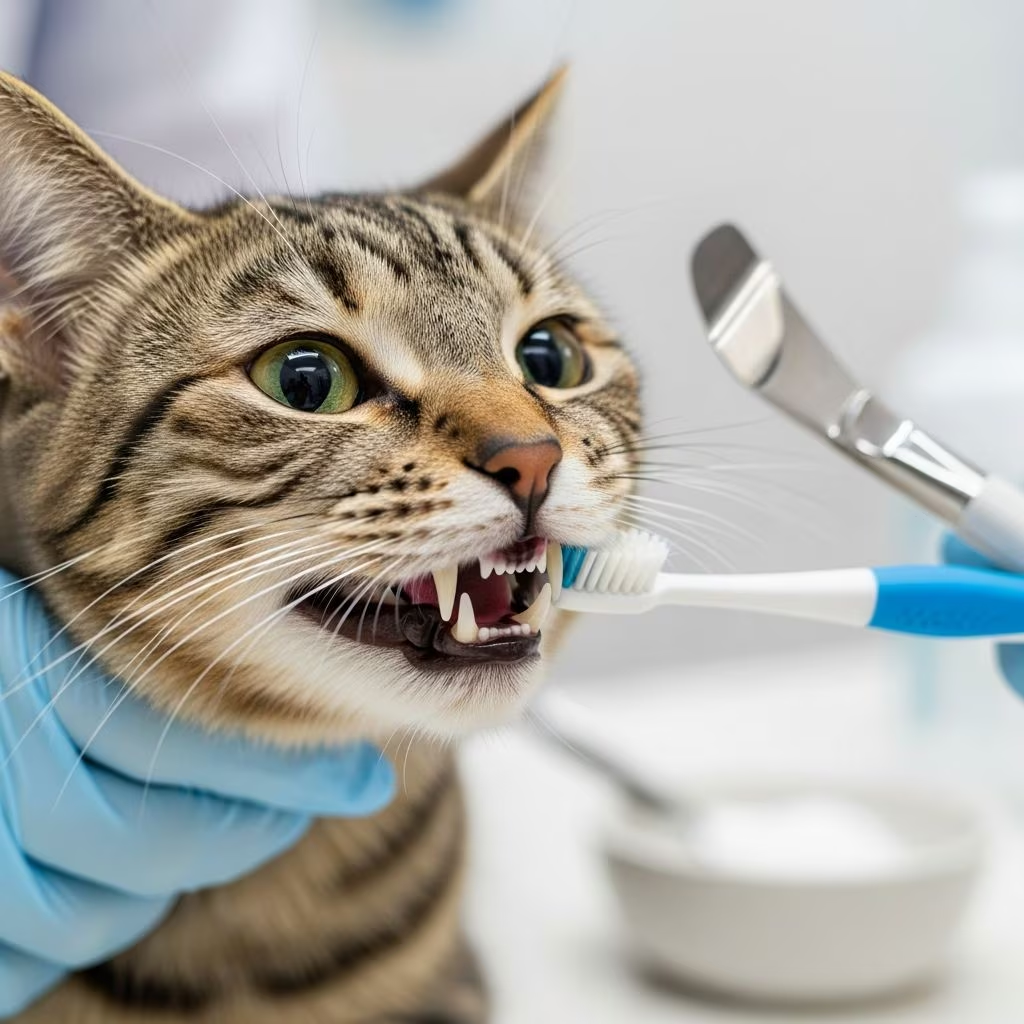
Proper dental care is crucial for your cat’s overall health, as poor oral hygiene can lead to painful conditions like gingivitis, periodontitis, and tooth resorption that affect eating, behavior, and even systemic health. Cats are prone to dental issues due to plaque buildup, and regular home care combined with professional veterinary cleanings can prevent these problems effectively.
Why Is Cat Dental Care Important?
Dental disease in cats often starts silently with plaque accumulation, progressing to tartar buildup, gum inflammation, and severe infections if untreated. By age 3, up to 70% of cats show signs of dental disease, which can cause chronic pain, tooth loss, and links to heart, liver, or kidney issues from bacterial spread. Maintaining clean teeth and healthy gums ensures your cat eats comfortably, remains active, and avoids costly treatments.
Neglecting dental care leads to conditions like feline odontoclastic resorptive lesions (FORLs), similar to cavities, causing intense pain. Early intervention through brushing and diet prevents these, improving quality of life. The American Veterinary Medical Association emphasizes annual vet checks for teeth and gums as part of routine pet health.
Signs of Dental Problems in Cats
Watch for these common indicators of dental issues:
- Bad breath (halitosis): Persistent foul odor from bacterial buildup.
- Drooling or pawing at mouth: Signs of pain or irritation.
- Red, swollen, or bleeding gums: Early gingivitis symptoms.
- Loose or missing teeth: Advanced periodontitis or resorption.
- Difficulty eating or weight loss: Cats may drop food or prefer soft foods.
- Excessive tartar (yellow/brown buildup): Visible on outer tooth surfaces.
Perform weekly mouth checks by gently lifting lips to inspect teeth and gums. If you spot these signs, consult your vet promptly to avoid progression.
How to Check Your Cat’s Teeth at Home
Regular home examinations help catch issues early. Gently restrain your cat, tilt the head back slightly, and use a flashlight to view:
- Outer surfaces for tartar.
- Gum color (should be pink, not red).
- Any fractures, discoloration, or mobility in teeth.
Start this routine with kittens to build tolerance. Note abnormalities like white spots on teeth (resorption) or pus pockets, and schedule a vet visit.
How to Brush Your Cat’s Teeth
Brushing is the gold standard for at-home dental care, ideally daily or at least 3-4 times weekly to remove plaque before it hardens.
Tools You’ll Need
- Cat-specific enzymatic toothpaste (poultry, beef, or malt-flavored; never human toothpaste due to toxic fluoride).
- Finger brush, dual-ended cat toothbrush, or gauze-wrapped finger.
- Treats like tuna water to make it positive.
Step-by-Step Brushing Guide
- Introduce gradually: Start by massaging gums with your finger dipped in tuna water to build comfort, especially from kittenhood.
- Position your cat: Cradle from behind, tilt head back gently, lift chin to open mouth.
- Apply toothpaste: Dab a pea-sized amount on the brush or finger.
- Brush technique: Focus on outer surfaces in circular motions from gumline to tip; back molars are key. Aim for 30 seconds per side.
- Reward immediately: Praise and treat to reinforce.
Avoid floss, as it risks ingestion and intestinal blockage. If brushing fails, use dental wipes or gels.
Other Ways to Keep Your Cat’s Teeth Clean
Beyond brushing, incorporate these methods:
- Dental diets: Prescription foods like Purina Veterinary Diets DH Dental Health Formula mechanically clean teeth via kibble texture.
- Dental treats: Greenies Feline or CET Chews reduce plaque through chewing action and enzymes.
- Water additives/oral rinses: Chlorhexidine-based products kill bacteria; add to drinking water.
- Gum massages: After brushing, gently rub gums to boost circulation and healing.
Combine for best results; no single method replaces brushing.
Professional Dental Cleanings for Cats
Vets recommend annual cleanings, more for seniors or those with disease history. Performed under general anesthesia for safety and thoroughness:
What to Expect
| Step | Description |
|---|---|
| Pre-anesthetic eval | Bloodwork and exam to ensure anesthesia safety. |
| Anesthesia | Monitored general anesthesia; pain/anxiety meds given. |
| Scaling | Ultrasonic and hand tools remove tartar above/below gumline. |
| Polishing | Smooths enamel to slow future buildup. |
| X-rays & exam | Detects hidden root issues, bone loss. |
| Extractions if needed | Removes irreparable teeth. |
| Recovery | Monitored wake-up; home care instructions. |
Post-cleaning, maintain with home routine; follow-ups ensure longevity.
Common Dental Diseases in Cats
- Stomatitis: Severe gum inflammation causing drooling, appetite loss; may require extractions.
- FORLs: Painful tooth erosion; progressive and common.
- Periodontal disease: Infection from tartar; leads to bone loss.
- Gingivitis: Reversible early inflammation from plaque.
Early detection via exams prevents escalation.
When to See the Vet for Dental Issues
Seek immediate care for bleeding, fractures, or eating refusal. Annual wellness exams include oral checks; seniors need more frequent monitoring.
Preventive Tips for Long-Term Oral Health
- Start dental routines young.
- Feed dental diets/treats daily.
- Schedule yearly cleanings.
- Monitor diet to avoid sugary foods.
Partner with your vet for tailored plans.
Frequently Asked Questions (FAQs)
Q: How often should I brush my cat’s teeth?
A: Ideally daily, but 3-4 times weekly is effective for plaque control.
Q: Can cats have human toothpaste?
A: No, fluoride is toxic; use only cat-formulated enzymatic paste.
Q: How often do cats need professional dental cleanings?
A: Annually for most; twice yearly for those with disease.
Q: What if my cat resists brushing?
A: Use treats, start slow with finger massage, or opt for wipes/diets.
Q: Is anesthesia safe for cat dental cleanings?
A: Yes, with pre-evals; it’s essential for thorough, pain-free work.
References
- Guide to cat dental care — RSPCA Pet Insurance. 2019-02-28. https://www.rspcapetinsurance.org.au/pet-care/cat-care/guide-to-cat-dental-care
- Dental Cleaning in Cats — VCA Animal Hospitals. https://vcahospitals.com/know-your-pet/dental-cleaning-in-cats
- Cat Dental Cleaning: What to Expect and Why It’s Vital — Houston Pet Dentals. https://houstonpetdentals.com/blog/cat-dental-cleaning-2/
- A Guide to At-Home Cat Dental Care — Montana Pet Dentist. https://montanapetdentist.com/a-guide-to-at-home-cat-dental-care/
- Pet dental care — American Veterinary Medical Association (AVMA). https://www.avma.org/resources-tools/pet-owners/petcare/pet-dental-care



