
How to Take Care of Budgie Eggs: Complete Guide
Master budgie egg care with expert tips on incubation, temperature, humidity, and hatching success.
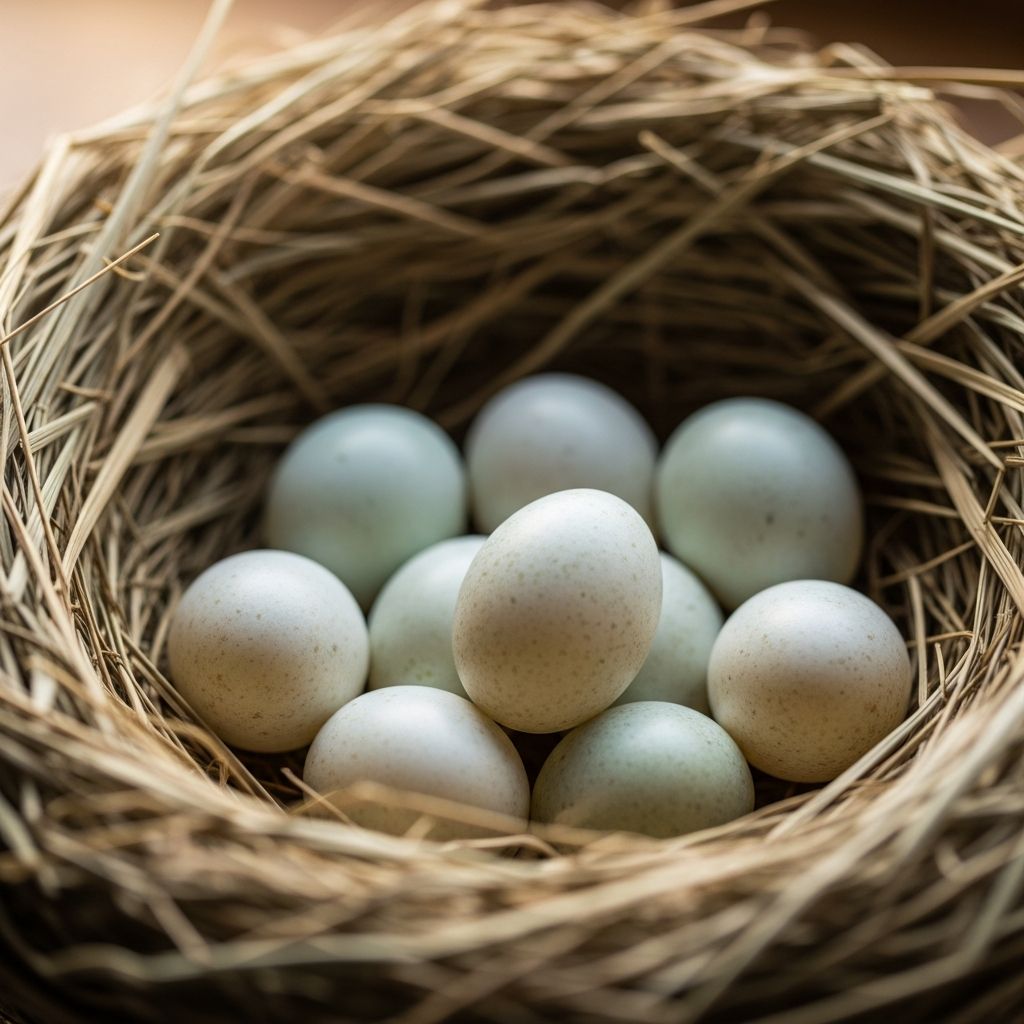
How to Take Care of Budgie Eggs: A Comprehensive Guide
Caring for budgie eggs is a rewarding experience that requires dedication, attention to detail, and proper knowledge. Whether your budgie pair has naturally laid eggs or you’re considering breeding, understanding the fundamentals of egg care is essential for ensuring healthy chicks. This guide covers everything you need to know about maintaining budgie eggs from laying through hatching.
Understanding the Budgie Egg Laying Process
Female budgies typically lay between four to eight eggs, with one egg appearing every two days. The egg-laying process is physically demanding and requires the female to receive proper nutrition and a healthy diet during the breeding season. During this time, provide your breeding pair with high-quality seed mixes, calcium-rich foods like cuttlebone, and fresh vegetables to support optimal egg production.
Once eggs are laid, the female will begin the incubation period. In some cases, both the male and female budgies may participate in egg care, though the female does the majority of the incubating. Ensure the breeding pair has a quiet, safe nesting environment free from stress and disturbances during this critical period.
Incubation Temperature and Duration
The incubation period for budgie eggs typically lasts between 18 to 21 days, depending on room temperature and humidity levels. Maintaining a consistent temperature is absolutely critical for successful development. The ideal incubation temperature is approximately 37.5°C (99.5°F). In warmer rooms with temperatures between 65 and 72 degrees Fahrenheit (18 to 22 degrees Celsius), embryos develop faster, but the brooding period never falls below 17 days.
Temperature fluctuations are one of the most common reasons for incubation failure, accounting for approximately 70% of hatching failures. Even slight deviations from the ideal temperature can cause developmental abnormalities, embryo death, or complete failure to develop. If you’re using natural incubation with parent birds, they instinctively maintain proper temperature. However, if artificial incubation becomes necessary, investing in a quality incubator with precise temperature controls and built-in alarms is essential.
Natural vs. Artificial Incubation Methods
There are two primary methods for incubating budgie eggs: natural incubation by parent birds and artificial incubation using an incubator.
Natural Incubation
Natural incubation occurs when parent budgies care for the eggs themselves. This method is ideal when parent birds are healthy, experienced, and committed to brooding. The advantages include parental bonding, natural behavioral development of chicks, and reduced equipment costs. However, natural incubation requires providing the parents with optimal nesting conditions, proper nutrition, minimal disturbance, and close monitoring to ensure they’re caring for the eggs properly.
Artificial Incubation
Artificial incubation is necessary when parent birds abandon eggs, are inexperienced, or unable to care for them. This method provides precise control over temperature, humidity, and ventilation. A quality incubator with temperature settings and a self-turning system significantly increases hatching success rates. However, artificial incubation requires constant monitoring, equipment investment, and careful attention to environmental parameters. Additionally, chicks raised artificially may lack some natural behavioral development that comes from parental interaction.
Managing Humidity Levels
Humidity control is the second most critical factor in successful egg incubation. Proper humidity prevents the embryo from sticking to the inner membrane of the eggshell and ensures optimal development. Maintain humidity levels between 50-55% for the first 18 days of incubation, then increase to 65% during the final hatching phase.
Use a hygrometer to accurately monitor humidity levels and adjust water sources in the incubator as needed. Warning signs of incorrect humidity include shells that are too hard (indicating low humidity) or too soft (indicating excessive moisture). Condensation inside the incubator also signals humidity problems that require immediate adjustment.
Essential Egg Care Procedures
Turning the Eggs
Turning eggs 2-3 times daily is essential for preventing the embryo from adhering to the inner shell membrane. This mimics the natural egg-turning behavior performed by mother birds. Turn eggs gently and carefully to avoid damaging the fragile developing embryo. Many quality incubators include automatic turning systems that eliminate the need for manual turning, though manual turning remains effective when done consistently.
Candling for Development Assessment
Candling involves holding an egg up to a bright light source to examine its interior development. Perform candling between days 5-7 of incubation to check for signs of healthy development. Look for blood vessels radiating from a central point, which indicate positive embryo development. Conduct candling in a dark room to maximize visibility. Eggs that appear completely clear with no signs of development are likely unfertilized and should be removed from the incubator. Candling also helps identify bacterial infections or other problems early.
Handling Guidelines
Minimize physical handling of budgie eggs throughout the incubation process. Excessive handling can damage the developing embryo and increase infection risk. When necessary, handle eggs gently and infrequently. During cleaning or nest box maintenance, carefully remove eggs, work quickly, and promptly return them to their incubation environment.
Pre-Hatching Preparation
As incubation nears completion around day 18-21, prepare for the hatching phase by increasing humidity to 65% and ceasing egg turning. This adjustment simulates the natural environment needed for successful hatching. Avoid unnecessary disturbance during this critical period, as the chick requires specific conditions to pip through the shell and emerge. An emerging chick can take several hours to fully emerge from the egg, which is perfectly natural. Resist the urge to intervene or assist unless the chick is clearly in danger, as inappropriate assistance can cause serious harm.
Addressing Common Egg Care Problems
Infertile or Non-Viable Eggs
Finding unfertilized or dead eggs during the breeding process is common. Never leave dead or infertile eggs in the nesting box, as they become sources of bacterial contamination that threaten healthy eggs and chicks. Remove problem eggs promptly and replace nesting materials weekly or as needed to maintain cleanliness.
Parental Abandonment
If parent birds abandon eggs, immediately switch to artificial incubation if possible. Ensure the incubator is ready with ideal conditions (37.5°C temperature and appropriate humidity) before transferring eggs. Any egg left unincubated for an extended period may not remain viable.
Bacterial Contamination
Cleanliness is crucial for preventing bacterial infections affecting eggs. Before placing eggs in an incubator, ensure it is thoroughly cleaned and all equipment functions correctly. Regular cleaning of nesting boxes and removal of soiled bedding materials prevents pathogenic growth.
Nutrition During Breeding Season
Budgies require enhanced nutrition during breeding season to support egg production and chick development. Provide breeding pairs with a diet rich in calcium and protein through high-quality seed mixes, cuttlebone, and nutritious vegetables. Daily access to fresh water is essential. Include daily servings of fine sliced greens and grated carrots sprinkled with seed. Remove uneaten fruits and vegetables after 1-2 hours to prevent mold growth, which poses significant health risks to budgies. Limit treats to once weekly while maintaining a balanced diet.
Post-Hatching Considerations
Once chicks hatch, provide parents with abundant fresh food including vegetables, fruits, quality seed mix, and egg and biscuit mix. During this high-energy period, the hen’s droppings may appear larger than usual with slightly different coloration due to increased protein and mineral intake. Chicks typically open their eyes around day six and experience rapid growth and development afterward. Continue providing optimal nutrition and minimal disturbance as parents care for developing chicks.
Rest Periods Between Breeding Cycles
Even if eggs do not hatch successfully, breeding pairs should be rested before laying eggs again. If eggs were not viable, rest the pair for at least one month before allowing another breeding cycle. Adequate rest periods help breeding birds recover physically and prepare for subsequent reproductive efforts.
Equipment and Setup Checklist
If using artificial incubation, ensure you have the following equipment prepared:
– A quality incubator with digital temperature controls and thermostat- A reliable thermometer for temperature monitoring- A hygrometer for humidity measurement- Egg turning system (automatic or manual)- Clean, disinfected nesting materials- Backup power supply in case of electrical outages- Detailed record-keeping system for tracking development
Frequently Asked Questions About Budgie Egg Care
Q: How long does it take for budgie eggs to hatch?
A: Budgie eggs typically hatch approximately 18 to 21 days after they are laid, depending on temperature and humidity conditions. The incubation period may be slightly shorter in warmer environments but never falls below 17 days.
Q: What temperature should I maintain for budgie eggs?
A: Maintain a constant temperature of approximately 37.5°C (99.5°F) for optimal development. Temperature fluctuations are the leading cause of incubation failure, so invest in a reliable incubator with precise temperature controls.
Q: How often should I turn budgie eggs?
A: Turn eggs 2-3 times daily throughout the incubation period to prevent the embryo from adhering to the shell membrane. Automatic turning systems in quality incubators eliminate manual labor while ensuring consistent care.
Q: When should I candle budgie eggs?
A: Begin candling between days 5-7 of incubation to check for signs of healthy development. Look for blood vessels and embryo shadows indicating viable development. Unfertilized eggs appear completely clear.
Q: What should I do if eggs aren’t hatching after 21 days?
A: Any egg unhatched after 23 days will not hatch and should be removed. Consult breeding records to identify any temperature, humidity, or handling issues that may have affected development.
Q: Can I handle budgie eggs during incubation?
A: Minimize handling throughout incubation. Handle eggs gently and only when necessary for cleaning or assessment. Excessive handling can damage the developing embryo and increase infection risk.
Q: What diet should breeding budgies eat?
A: Provide breeding budgies with high-quality seed mixes, cuttlebone for calcium, fresh vegetables, and nutritious greens. Ensure daily access to fresh water and limit treats to once weekly during breeding season.
Q: Should I help chicks out of their eggs?
A: No. Emerging chicks naturally take several hours to fully escape their shells. Resist the urge to assist unless the chick is clearly in danger. Inappropriate intervention can cause serious harm.
References
- Budgie Egg Hatching: 7 Essential Tips for Success (2025 Guide) — BudgieHub. 2025. https://budgiehub.com/budgie-egg-hatching-7-essential-tips-for-success-guide/
- Care of Baby Budgies in the Nest – Breeding Tips — Budgie Breeders Forum. https://forums.budgiebreeders.asn.au/topic/13358-care-of-baby-budgies-in-the-nest/
- From Egg to Bird: Baby Budgie Growth Stages Explained — YouTube. https://www.youtube.com/watch?v=H6OPyPjmSyQ
- Parakeet Eggs: Nesting and Breeding — Omlet. https://www.omlet.us/guide/parakeets/nesting_and_breeding/eggs/
Similar Articles








Read full bio of medha deb


