

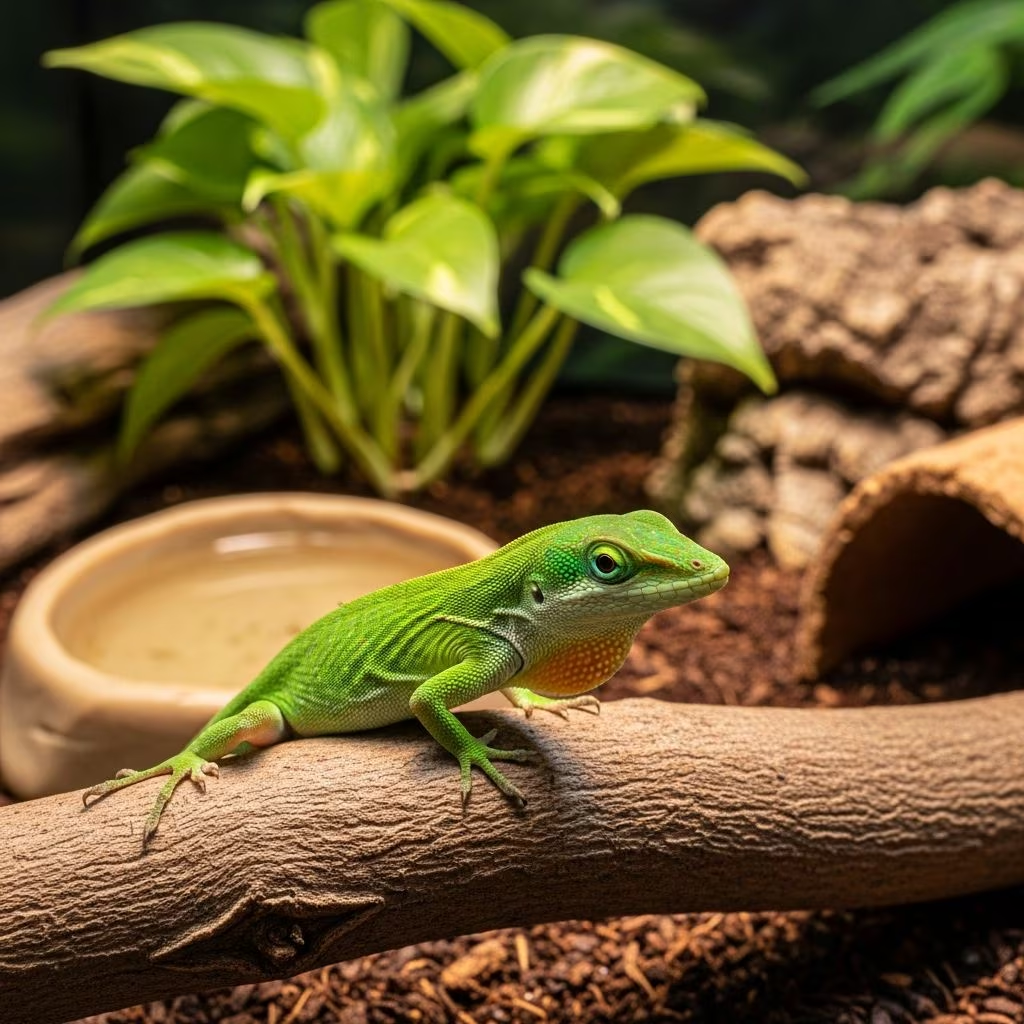
Bringing home a pet lizard can be an exciting and rewarding experience, but it also comes with significant responsibilities. Unlike mammals, lizards have unique biological and environmental needs that must be carefully met to ensure their health and longevity. Whether you’re considering a bearded dragon, leopard gecko, or any other lizard species, understanding the fundamentals of lizard care is essential for providing your scaly companion with the best possible life. This comprehensive guide covers everything you need to know about caring for a pet lizard, from setting up the perfect terrarium to understanding their dietary requirements and health maintenance.
Essential Lizard Supply Checklist
Before bringing your lizard home, it’s crucial to gather all the necessary supplies. Having everything prepared in advance ensures a smooth transition for your new pet and demonstrates your commitment to proper care. Here’s what you’ll need:
- Appropriately-sized terrarium for your lizard species
- Bedding and substrate materials
- Hiding or burrowing areas and enclosure décor
- Heat lamp(s) for maintaining proper temperature
- Dedicated basking spot with appropriate warmth
- UVB lighting to support calcium metabolism
- Water feature or water dish
- Reliable thermometer for temperature monitoring
- Humidity gauge for species requiring specific humidity levels
- Species-appropriate pet food
- Supplements as recommended by your veterinarian
- Shallow water dish for drinking and soaking
Creating the Perfect Lizard Habitat
The terrarium is the foundation of your lizard’s entire living environment. Selecting the right size and configuration is paramount to your pet’s well-being. Different lizard species have different spatial requirements, so research your specific species carefully.
Terrarium Size and Configuration
The general rule is that larger enclosures are better than smaller ones. Low, wide terrariums work well for most ground-dwelling lizards, while tall, narrow enclosures suit arboreal species like tree-dwelling dragons and monitors. Before purchasing your terrarium, determine the adult size of your lizard species to ensure adequate space for growth. An undersized enclosure can lead to stress, behavioral problems, and health issues.
Bedding and Substrate Selection
Choosing the right substrate is both an aesthetic and health decision. Several options are available, each with advantages and considerations:
- Sand – Visually appealing but can cause impaction if ingested
- Bark – Natural appearance with moderate impaction risk
- Reptile carpet – Safe, easy to clean, and eliminates ingestion risks
- Prepared soils – Natural feel but requires regular monitoring for mold
- Paper or paper towels – Hygienic but less aesthetically pleasing
One critical warning: if you use any particulate substrate like sand or bark, monitor your lizard closely to prevent ingestion. Ingested particles can accumulate in the intestines and stomach, causing dangerous obstructions that may require surgical intervention and can potentially be fatal. Regularly inspect your lizard for signs of impaction, including constipation, lethargy, or loss of appetite.
Substrate Maintenance and Replacement
Substrate maintenance varies depending on the material you choose. For prepared dirt, bark, or sand enclosures, spot cleaning involves removing soiled areas between full replacements. These materials should be completely replaced every three to six months, or more frequently if they appear damp or show signs of mold growth. Reptile carpet, paper, and paper towels require more frequent replacement—sometimes weekly or monthly—depending on how active your lizard is and how easily soiled materials can be removed. Always check for mold and fungal growth, as these can lead to skin infections, pneumonia, and other serious fungal-related health issues.
Temperature and Lighting Requirements
Proper temperature and lighting are absolutely fundamental to your lizard’s health. Lizards are ectothermic, meaning they rely on their environment to regulate body temperature. Without appropriate thermal and lighting conditions, your lizard cannot digest food properly, maintain immune function, or engage in normal behaviors.
Creating an Effective Basking Area
A basking spot serves as a warm refuge where your lizard can absorb heat and regulate body temperature. Create this area using additional heat lamps positioned to create a warm zone that’s noticeably warmer than the rest of the terrarium. Verify that your basking spot reaches the temperature appropriate for your specific lizard species, as requirements vary significantly among different species. This thermoregulatory behavior is essential for metabolic processes, digestion, and overall health.
Important safety note: Never use heat rocks under any circumstances. Heat rocks can cause severe burns to your lizard’s skin and belly, leading to painful injuries and potential infections. Stick to heat lamps and other safer heating options.
UVB Lighting and Day-Night Cycles
UVB lighting is essential for calcium metabolism and vitamin D3 synthesis. Most lizards require a light cycle that mimics their natural environment. A schedule of approximately 10 hours of light and 14 hours of darkness is appropriate for reptile enclosures. Full-spectrum fluorescent UVA/UVB tube lamps provide necessary light, while full-spectrum incandescent lamps provide both light and additional heat. Consult species-specific care guides to determine the exact lighting requirements for your particular lizard.
Hydration and Water Features
Proper hydration is essential for your lizard’s health. Different species have varying water requirements and preferences. Some lizards drink from standing water dishes, while others prefer water droplets from misting or flowing water features.
Water Dish Design and Placement
Provide a shallow water dish with sloped sides or position it near rocks and other cage features that allow your lizard safe access. Remember that not all lizards are strong swimmers, so design your water features with safety in mind. The dish should be shallow enough that your lizard can drink without risk of drowning, and it should be cleaned and refilled daily with fresh water.
Maintaining Water Quality
Water dishes must be cleaned regularly to prevent bacterial growth and contamination. Remove any uneaten food particles, debris, or waste from the water area. Use only water for cleaning water dishes—avoid chemical cleaners that could harm your lizard if residue remains.
Nutrition and Feeding
Proper nutrition is crucial for your lizard’s growth, immune function, and overall health. Feeding requirements vary dramatically among different lizard species. Some are primarily herbivorous, some are insectivorous, and some are omnivorous.
Species-Specific Dietary Needs
Before purchasing your lizard, research its specific dietary requirements. Bearded dragons, for example, require a combination of insects and vegetables, while leopard geckos primarily eat insects. Some lizards like iguanas are strictly herbivorous. Providing the wrong diet can lead to nutritional deficiencies, metabolic bone disease, obesity, and other serious health conditions.
Feeding Frequency and Portion Control
Young, growing lizards typically require more frequent feeding than adults. As your lizard matures, feeding frequency usually decreases. Remove any uneaten food from the terrarium after feeding sessions to prevent spoilage, mold growth, and to maintain a clean environment.
Supplements and Vitamins
Many lizards require calcium and vitamin supplements to prevent nutritional deficiencies. Work with a reptile veterinarian to determine the appropriate supplement regimen for your specific lizard species. Over-supplementation can be just as harmful as under-supplementation, so follow professional recommendations carefully.
Terrarium Cleaning and Maintenance
Maintaining a clean terrarium is non-negotiable for your lizard’s health. Lizards produce waste regularly within their enclosure, requiring consistent cleaning routines.
Cleaning Schedule
At minimum, lizard terrariums should be cleaned thoroughly at least once per week. However, some species may require more frequent attention. Daily spot cleaning of visible waste helps maintain a sanitary environment and prevents the buildup of harmful bacteria and parasites.
Safe Cleaning Practices
When cleaning your terrarium, use only water and avoid spray-type chemical cleaners. Lizards are highly sensitive to many cleaning products, and chemical residues can be toxic to your pet. If you must use cleaning products, ensure all cage accessories, substrate, and surfaces are rinsed thoroughly with water to remove any traces. Never expose your lizard to wet cleaning solutions or harsh fumes.
Handling Your Lizard Safely
Proper handling techniques are essential for both your safety and your lizard’s well-being. Incorrect handling can cause stress, injury, or escape, while proper technique builds trust and allows for health monitoring.
Hygiene During Handling
Always wash your hands thoroughly before handling your lizard. This prevents the transfer of bacteria and germs to your pet. Equally important: wash your hands immediately after handling your lizard. While lizards are generally clean animals, they can carry bacteria such as salmonella on their skin. This bacteria can be transmitted to humans through contact, so maintaining excellent hygiene is crucial for both you and your household.
Gentle and Proper Handling Technique
Always pick up your lizard gently and support their entire body weight. Never grab or pick up your lizard by a single leg or the tail. Tails are often used as escape mechanisms and can drop off as a defense strategy, resulting in permanent loss. Supporting the entire body prevents injury and reduces stress. Avoid excessive handling, especially during shedding periods or when your lizard appears stressed.
Understanding Lizard Shedding
Shedding is a natural and necessary process as lizards grow. During shedding cycles, old skin is replaced with new skin underneath. This process can indicate growth and health but requires monitoring.
Managing the Shedding Process
Remove shed skin from the vivarium promptly to maintain cleanliness and prevent mold growth. Check your lizard’s feet carefully during and after shedding, as old skin can sometimes remain stuck between toes and on the feet. Gently remove any stuck pieces of skin to prevent circulation problems or infection. If your lizard has difficulty shedding or seems stuck with pieces of old skin, consult a reptile veterinarian, as this could indicate environmental humidity problems or other health issues.
Finding a Reptile Veterinarian
Establishing a relationship with a reptile-specialized veterinarian is one of the most important decisions you can make as a lizard owner. Not all veterinarians have expertise in reptile medicine, so seek out clinics with dedicated reptile care specialists. Regular wellness exams, even when your lizard appears healthy, can catch problems early. Keep detailed notes on your lizard’s feeding patterns, shedding cycles, general health observations, and any unusual behavior to share with your veterinarian during visits.
Monitoring Your Lizard’s Health
Daily observation is your first line of defense against health problems. Familiarize yourself with your lizard’s normal behavior, appetite, activity level, and appearance. Report any significant changes to your veterinarian promptly. Signs of potential problems include loss of appetite, lethargy, unusual coloration, difficulty shedding, limping, or behavioral changes.
Frequently Asked Questions About Lizard Care
Q: How often should I handle my lizard?
A: Handling frequency depends on your species and individual temperament. Some lizards tolerate handling well with regular, gentle interaction, while others prefer minimal handling. Start slowly and observe your lizard’s response. Stressed lizards may stop eating or show signs of illness.
Q: Can I keep multiple lizards together?
A: This depends entirely on your species. Many lizards are solitary and territorial, and housing them together can cause severe stress or aggression. Seek veterinary advice before attempting to house multiple lizards in the same enclosure.
Q: What temperature should my lizard’s basking spot be?
A: Temperature requirements vary by species. Research your specific lizard’s needs or consult a reptile veterinarian for exact basking spot temperatures, as they can range from 75°F to over 100°F depending on the species.
Q: How long do pet lizards typically live?
A: Lifespan varies significantly by species. Some lizards live 5-10 years, while others can live 15-20+ years with proper care. Research your species’ expected lifespan before commitment.
Q: What should I do if my lizard stops eating?
A: Loss of appetite can indicate illness, stress, or environmental problems. Check that temperatures, lighting, and humidity are appropriate, then contact your reptile veterinarian if the problem persists.
References
- Pet Lizards 101: How To Take Care of a Lizard — Chewy. 2024. https://www.chewy.com/education/reptile-and-amphibian/gecko/how-to-take-care-of-a-lizard
- Lizard Care Sheets — ReptiFiles. 2024. https://reptifiles.com/lizard-care-sheets/
- A Guide to Pet Lizard Care — PetPost. 2024. https://www.petpost.com.au/blogs/reptile/a-guide-to-pet-lizard-care
- Guide to Reptile Care — Brookhaven Animal Hospital. 2022-12-06. https://www.brookhavenanimalhosp.com/site/blog/2022/12/06/guide-to-reptile-care



