

How to Take Care of a Hermit Crab
Hermit crabs are fascinating and low-maintenance pets, but they require specific care to thrive in captivity. This guide covers everything you need to know about setting up a proper habitat, feeding your hermit crab, understanding molting, and maintaining their health. Whether you’re a first-time owner or looking to improve your current setup, these tips will help ensure your hermit crab lives a long and happy life.
Choosing the Right Habitat
The habitat is the foundation of hermit crab care. A well-designed enclosure provides the right environment for your crab to grow, molt, and stay healthy.
Enclosure Size
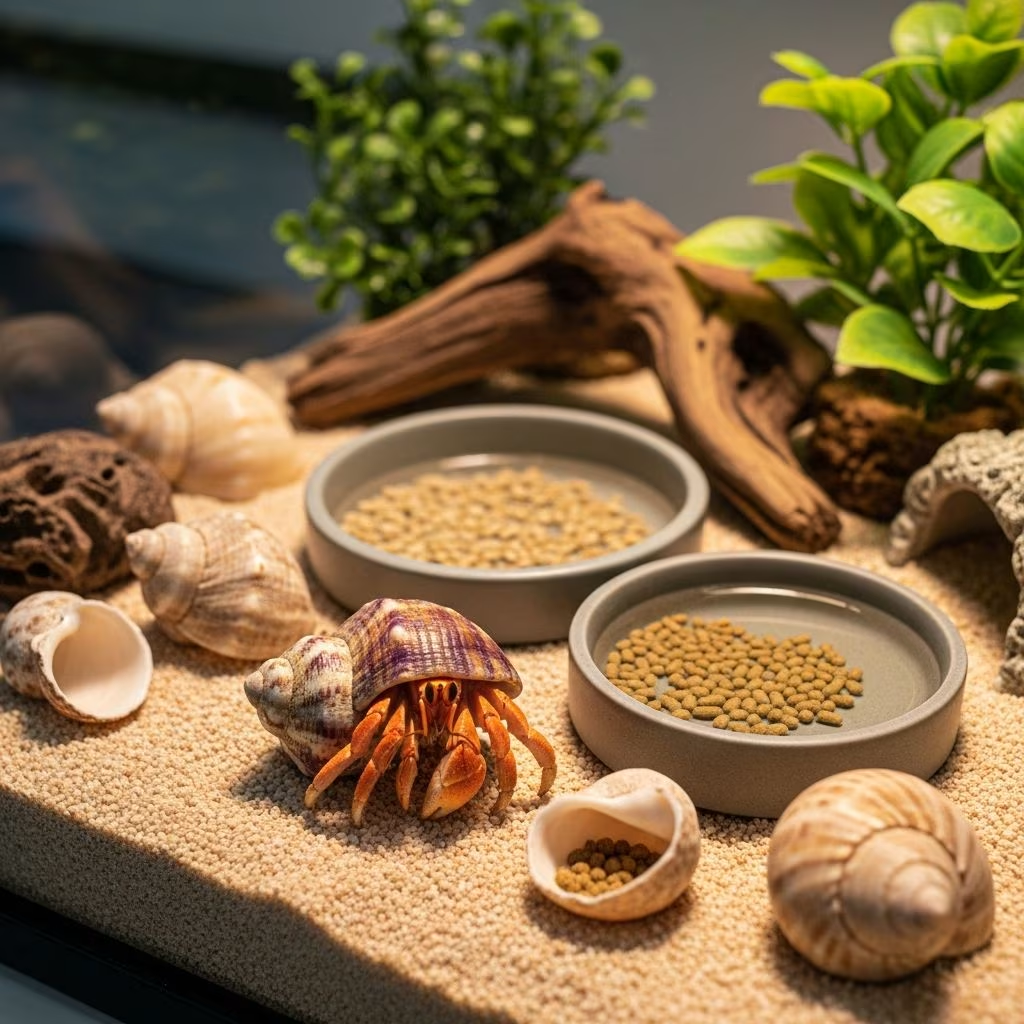
Hermit crabs need plenty of space to move around and burrow. A 10-gallon aquarium is suitable for one or two small crabs, but larger enclosures are better for groups or larger species. The tank should be tall enough to allow for deep substrate, as hermit crabs need to bury themselves during molting.
Substrate
The substrate is crucial for burrowing and molting. Use a mix of clean, fine sand and coconut fiber in a 5:1 ratio. The substrate should be at least 6 inches deep to allow for proper burrowing. Avoid wood shavings, especially pine and cedar, as they can irritate your crab’s skin and respiratory tract.
Humidity and Temperature
Hermit crabs require a humidity level of 70-90% and a temperature between 70-80°F (21-27°C). Use a hygrometer and thermometer to monitor these levels. Mist the enclosure daily with dechlorinated water to maintain humidity. If the humidity is too low, your crab may suffocate; if it’s too high, mold can develop.
Water Bowls
Provide two water bowls: one with fresh, dechlorinated water and one with saltwater. The saltwater should be mixed using a marine salt mix, not table salt. The bowls should be deep enough for the crab to submerge but not so deep that they can drown. Place a natural sea sponge in each bowl to help the crab climb in and out easily.
Decorations and Hiding Places
Hermit crabs enjoy climbing and hiding. Add driftwood, rocks, and artificial plants to the enclosure. Provide at least one hiding place for each crab, such as a cocohut or cave. Silk or plastic plants can also be used for cover.
Feeding Your Hermit Crab
Hermit crabs are omnivores and require a varied diet to stay healthy.
Diet
Offer a mix of natural fruits, vegetables, insects, meat, and seafood. Fruits and vegetables should be washed in purified, distilled, or bottled water before feeding. Vegetables high in carotene, such as carrots and untreated marigold flower petals, help maintain the crab’s exoskeleton color.
Feeding Schedule
Hermit crabs mostly feed at night, so offer food in the evenings and remove any leftovers in the morning to prevent mold growth. Change the food daily to ensure freshness.
Calcium Source
Provide a calcium source, such as cuttlebone, crushed coral, or eggshell, to support shell health and molting.
Understanding Molting
Molting is a natural process where hermit crabs shed their exoskeleton to grow. This can take weeks or even months.
Molting Signs
Before molting, your crab may become less active, eat less, and spend more time buried in the substrate. They may also appear pale or translucent.
Molting Care
Never disturb a molting crab. Digging it up can be fatal. Ensure the substrate is deep enough for the crab to bury itself completely. After molting, the crab will eat its old exoskeleton for nutrients.
Health and Maintenance
Regular maintenance is essential for keeping your hermit crab healthy.
Cleaning the Habitat
Spot-clean the habitat daily by removing waste, uneaten food, and molted exoskeletons. Clean the enclosure thoroughly at least once a week. Move the crab to a secure environment, remove all decorations and substrate, and scrub the tank with a pet-safe terrarium cleaner or a 3% bleach solution. Rinse thoroughly and allow everything to dry before returning the crab.
Water Maintenance
Change the water bowls when dirty or at least every third day. Rinse and disinfect sponges weekly to prevent fungal and bacterial growth.
Substrate Maintenance
Monitor the substrate for dryness and spray with dechlorinated water as needed. The substrate should be moist enough to hold its shape but not too wet. Replace the substrate if it becomes over-saturated or contaminated.
Handling and Safety
Hermit crabs should be handled gently and over a soft surface to prevent injury if they’re accidentally dropped. Children should always be supervised when handling hermit crabs.
Common Health Issues
Hermit crabs can suffer from mites, dehydration, and shell problems. Regularly check for signs of illness and consult a veterinarian if you notice any issues.
Mite Infestation
If you notice mites, vacuum the habitat, wipe it down, and rinse with plain water. Let it dry in the sun and replace the bedding. Boil all accessories, water dishes, and extra shells for at least 20 minutes. Clean each crab in a bowl of room temperature, dechlorinated water. If the infestation persists, use a mite-specific medication from a vet or exotic pet supply store.
FAQs
How often should I clean my hermit crab’s habitat?
Spot-clean daily and do a thorough cleaning at least once a week.
What should I feed my hermit crab?
Offer a varied diet of fruits, vegetables, insects, meat, and seafood. Provide a calcium source for shell health.
How deep should the substrate be?
The substrate should be at least 6 inches deep to allow for proper burrowing and molting.
How do I know if my hermit crab is molting?
Signs of molting include reduced activity, less eating, and spending more time buried in the substrate.
Can hermit crabs live with other crabs?
Yes, but keep only crabs of similar size together to prevent dominance issues.
References
References
- Basic Hermit Crab Care — Hermit Crab Association. 2023. https://www.hermitcrabassociation.com/pages/BasicHermitCrabCare.pdf
- Hermit Crab Care Sheet — PetMD. 2023. https://www.petmd.com/exotic/hermit-crab-care-sheet
- Care Guide: Land Hermit Crabs — Carolina Biological Supply. 2023. https://www.carolina.com/teacher-resources/Interactive/care-guide-hermit-crabs/tr10508.tr



