

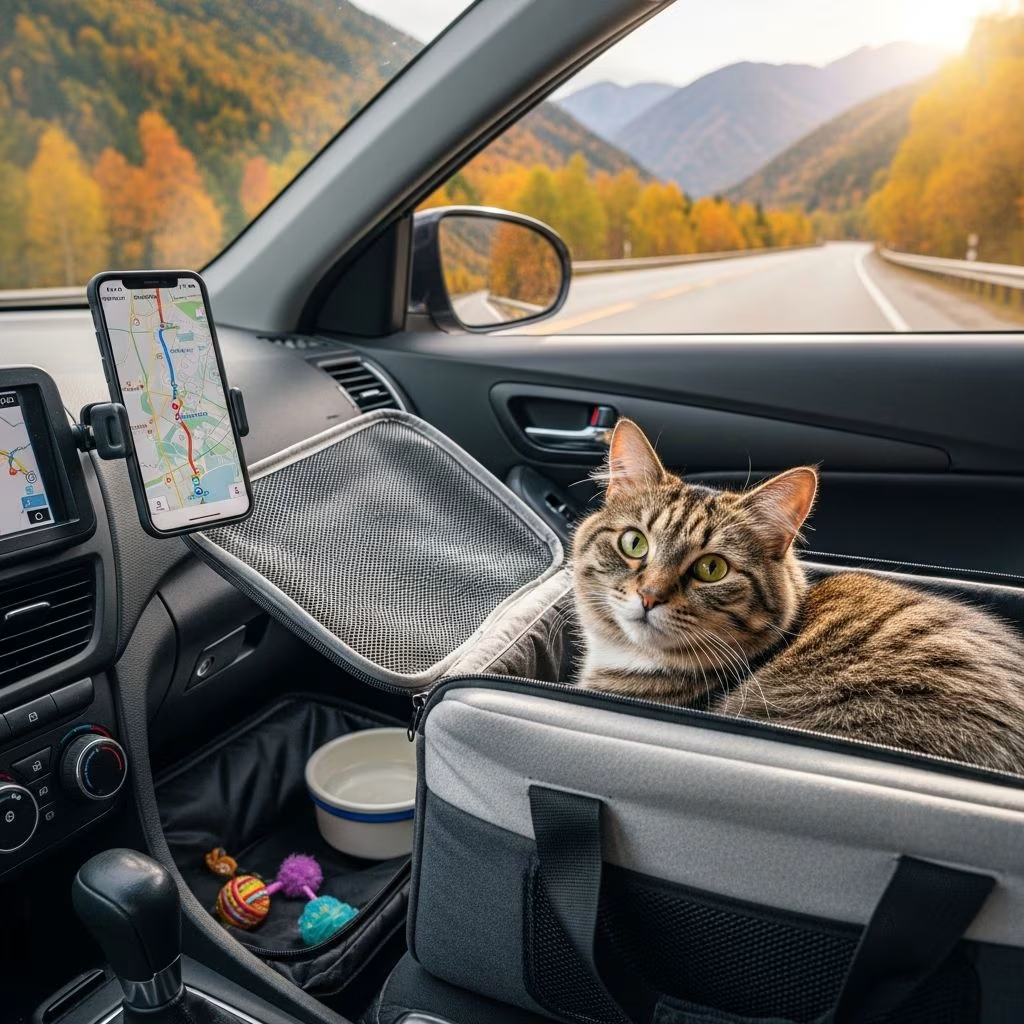
Traveling by car with a cat might seem daunting, but with proper preparation, it can be a rewarding experience for both you and your feline companion. Cats are creatures of habit who dislike change, so creating a familiar and secure environment is key to minimizing stress during long drives. This guide covers everything from pre-trip vet checks to on-the-road strategies and packing essentials, drawing on proven tips to ensure safe and enjoyable journeys.
Is It Safe to Take a Cat on a Road Trip?
Yes, taking a cat on a road trip is safe when you follow best practices for containment, hydration, and stress reduction. Secure your cat in a sturdy carrier buckled into the backseat to protect against sudden stops or accidents—hard plastic models are ideal as they prevent tangling with pedals. Cats can hold their bladder remarkably well, but long trips require accessible litter options to avoid accidents. Always consult your vet beforehand, especially for anxious cats, to discuss medication if needed.
Minimize stops to reduce exposure to new environments that could overwhelm your cat. Pack familiar items like blankets or toys to provide comfort and replicate home scents, helping your pet feel secure amid the motion and unfamiliar sights. With these measures, road trips become feasible even for nervous felines.
Preparation Steps Before Your Road Trip
Start preparing weeks in advance to acclimate your cat to travel conditions. Schedule a vet visit to ensure vaccinations are current, obtain health certificates if crossing state lines, and discuss anti-anxiety options like pheromone sprays or medications. Gradually introduce your cat to the carrier by leaving it out with treats and toys inside, encouraging positive associations.
- Vet check-up: Confirm fitness for travel and get necessary records.
- Carrier familiarization: Leave it open at home for days prior.
- Leash training: Practice short walks if your cat will exit the car.
- Diet adjustment: Withhold food the night before to prevent car sickness, but provide water.
Test short drives to gauge your cat’s reaction—some adapt quickly, while others may need more time or sedation. Secure identification with a collar and tag featuring your contact info, and consider a microchip or GPS tracker for extra safety.
Packing List for a Road Trip with Your Cat
A well-packed car ensures your cat’s needs are met without last-minute scrambles. Prioritize familiar items to maintain routine and comfort. Use covered litter boxes to contain smells and spills, and pack food in airtight containers to preserve freshness.
| Category | Essentials | Tips |
|---|---|---|
| Containment | Cat carrier (hard plastic, buckled in), harness & leash, collar with ID tag | Leave carrier out pre-trip; use backpack carrier for breaks |
| Comfort | Familiar blanket/bed, toys, scratching post | Create a ‘safe space’ in the carrier with home-scented items |
| Food & Water | Food (kibble/wet in portions), collapsible bowls, treats, bottled water | Feed minimally en route; use mats under bowls |
| Litter & Hygiene | Portable litter box (covered), litter, scoop, waste bags, wipes, pee pads | Fill with clean litter; clean frequently |
| Health | Medications, first aid kit, vet records | Talk to vet about anxiety aids |
Don’t forget extras like a towel for quick cleanups and a travel scratching post to prevent furniture damage at stops. Pack redundantly—extra harnesses and leashes guard against losses.
Tips for Driving with a Cat
Once on the road, prioritize consistency to keep your cat calm. Aim for direct routes with few stops—pack human meals and fuel up beforehand to limit interruptions.
- Minimize stops: Cats stress less in motion; stop only for essentials every 2-3 hours.
- One long drive vs. multiples: A single 12-hour trip is often better than two 6-hour ones, avoiding overnight disruptions.
- Safe space setup: Designate a carrier or backseat area with blankets for hiding.
- Free roam option: Allow supervised roaming if your cat is calm, but keep carrier ready.
- Climate control: Keep the car cool (68-75°F) and ventilated; never leave cat unattended.
Play soft music or white noise to drown out road sounds. Offer water breaks during stops, but withhold full meals until settled. If crating, ensure the carrier allows standing and turning.
Handling Stops and Bathroom Breaks
Plan stops at pet-friendly areas. Use a harness and leash for secure outdoor time—never let your cat roam freely. Set up the litter box accessibly in the car; covered models prevent spills.
During breaks:
- Secure cat in carrier before opening doors.
- Provide water and quick litter access.
- Use pee pads if litter isn’t feasible.
- Reward calm behavior with treats.
For multi-day trips, choose pet-friendly hotels with quiet rooms. Set up a contained area immediately upon arrival.
Arriving at Your Destination
Upon reaching your stop, recreate home: Unpack the litter box, bed, and food first. Allow your cat to explore a single room before expanding access. Provide a quiet retreat spot away from activity.
- Feed a full meal post-arrival.
- Monitor for stress signs like hiding or not eating.
- Use pheromone diffusers if available.
- Give treats and playtime to rebuild routine.
For extended stays, introduce scratching posts to protect furnishings. Gradual exposure prevents overwhelm.
Common Challenges and Solutions
Cats may meow excessively, vomit, or eliminate outside the box due to stress. Counter with pre-trip fasting, anxiety meds, and familiar scents. Motion sickness improves with small, frequent water sips.
- Meowing: Ignore attention-seeking; use calming music.
- Vomiting: Vet-approved meds; ginger treats.
- Escapes: Double-check harnesses and doors.
Multiple cats require separate carriers to prevent fights.
Frequently Asked Questions (FAQs)
Can cats travel long distances by car?
Yes, with preparation like carriers and litter, cats handle long drives well—opt for fewer stops.
What if my cat hates the carrier?
Acclimate gradually with treats; consult vet for meds.
How often should I stop for litter breaks?
Every 2-3 hours, or as needed—cats hold well but need access.
Should I let my cat roam free in the car?
Only if calm and supervised; carrier is safest.
What to do if my cat gets carsick?
Fast beforehand, use meds, and ensure ventilation.
References
- 11 Proven Tips for Taking a Cat on a Road Trip — Two Outliers. 2023. https://twooutliers.com/taking-a-cat-on-a-road-trip/
- Cat Travel Checklist for Vacationing with Your Cat — Hill’s Pet Nutrition. 2024. https://www.hillspet.com/cat-care/routine-care/cat-travel-checklist
- The Ultimate Checklist of What to Pack When Traveling with Your Cat — Your Cat Backpack. 2023. https://yourcatbackpack.com/blogs/cat-backpack-tips-and-advice/the-ultimate-checklist-of-what-to-pack-when-traveling-with-your-cat
- KittyCatGO Packing Checklist for Traveling Cats — KittyCatGO. 2022-12. https://kittycatchronicles.com/home/traveling-with-a-cat-sophies-packing-list/
- Traveling with a Cat: Sophie’s Packing List — Kitty Cat Chronicles. 2023. https://kittycatchronicles.com/home/traveling-with-a-cat-sophies-packing-list/



