

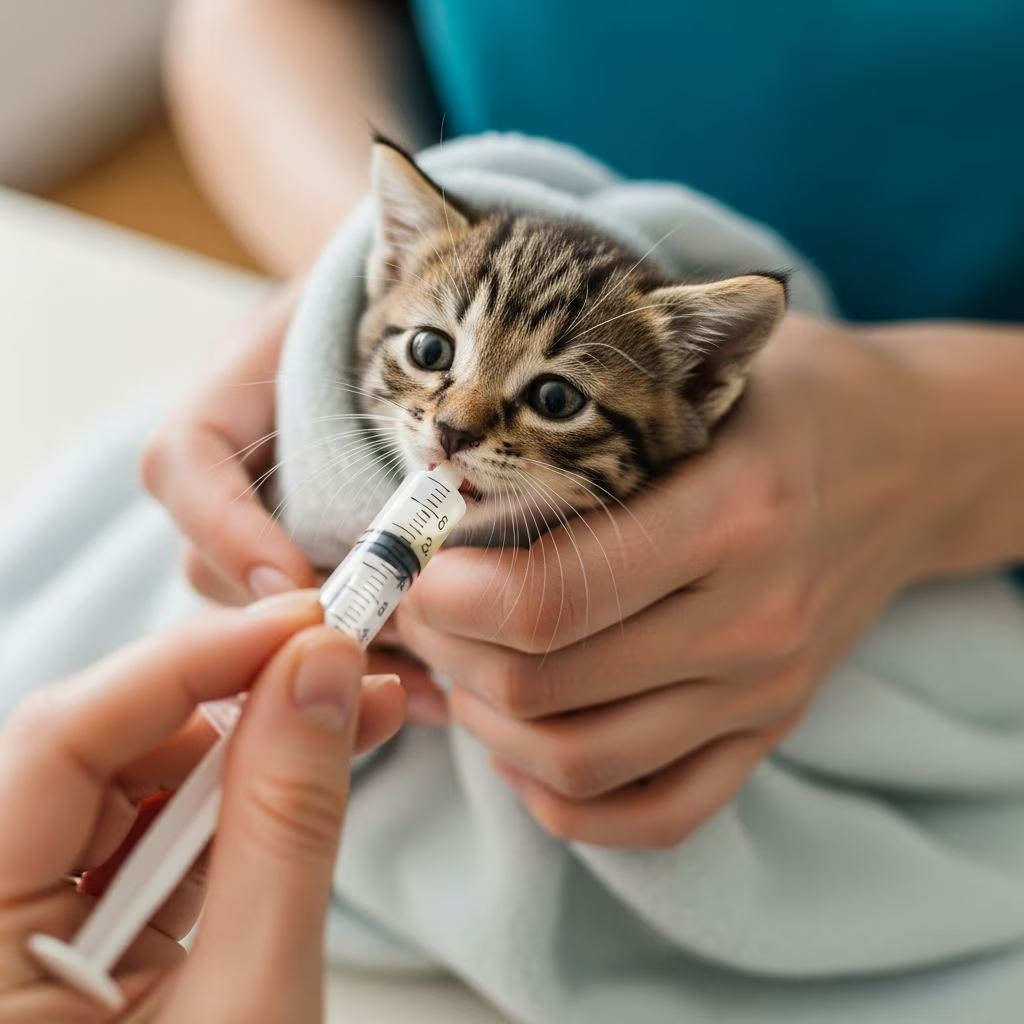
Syringe feeding is an essential skill for anyone caring for orphaned kittens, nursing mothers who reject their offspring, or young cats recovering from illness or injury. While the thought of syringe feeding might seem daunting to new kitten caregivers, the process is manageable when you understand the proper technique and follow veterinary guidelines. This comprehensive guide walks you through each step of the syringe feeding process, helping you provide your kitten with the nutrition they need while minimizing health risks.
Why Kittens Need Syringe Feeding
Kittens may require syringe feeding for several reasons. Mother cats occasionally reject their litters, leaving the kittens without maternal nutrition. Additionally, young kittens who become ill may lose their appetite or be unable to nurse effectively, necessitating assisted feeding during recovery. Orphaned kittens without access to their mother must be fed by hand using either bottle feeding or syringe feeding methods. Understanding when and why to syringe feed is crucial for providing appropriate care to vulnerable kittens.
Understanding Syringe Types and Sizes
You can syringe feed a kitten using either a specialized feeding syringe or a regular syringe without the needle. Many veterinarians provide appropriate syringes when they recommend syringe feeding, but having various sizes on hand ensures you’re prepared for different kitten ages.
Syringe sizing by kitten age:
- Newborn kittens: Use 3cc syringes for the most precise control
- 2-week-old kittens: Upgrade to 6cc syringes as feeding volumes increase
- 3-week-old kittens: Transition to 12cc syringes for larger feeding amounts
- Older kittens: You can use smaller syringes and simply increase the number of applications needed
The appropriate syringe size depends on your kitten’s age and mouth size. Selecting the right size ensures easier food aspiration and better control during the feeding process.
The 5 Steps to Syringe Feed Your Kitten
Step 1: Mix Food and Water
The foundation of successful syringe feeding begins with properly prepared food. Your kitten’s age determines which feeding option is appropriate.
For newborn and very young kittens: Use a kitten milk replacement formula designed specifically for orphaned or rejected kittens. These formulas replicate mother’s milk and contain essential nutrients for growth. When preparing formula, mix it fresh for each feeding session rather than preparing large batches in advance. Fresh formula prevents bacterial growth and ensures optimal nutrition.
For older kittens: Use wet food from your kitten’s regular diet. The food must be mixed with water to achieve the proper consistency for syringe feeding. You have several options:
- Use pureed wet food mixed with water until it reaches a smooth, pourable consistency
- Soak dry kitten food in water and puree it thoroughly until smooth and clump-free
- Mix prepared kitten gruel (a combination of formula and wet food) for intermediate-age kittens
The critical factor is consistency. Food that is too thick will not flow through the syringe, while food that is too thin may not provide adequate nutrition. The ideal consistency allows the food to flow smoothly when drawn into the syringe but remains substantial enough to nourish your kitten effectively.
Temperature matters: Warm the food to slightly above lukewarm temperature—approximately body temperature—by microwaving for just a few seconds at a time. Never overheat the formula, as excessive heat destroys nutrients and can burn your kitten’s mouth.
Step 2: Fill the Syringe
Once your food is properly prepared and warmed, filling the syringe is straightforward. Simply place the syringe tip into your prepared food and slowly pull the plunger to draw the food into the barrel. This creates suction that fills the syringe with the mixture.
If you encounter resistance when pulling the plunger—indicating the food is too thick—add more water gradually until the food flows smoothly into the syringe. This prevents forcing the syringe, which can cause discomfort and reduce your control during feeding.
Fill only what you need for the current feeding session. Do not overfill the syringe, as this makes controlling the flow rate more difficult and increases the risk of your kitten aspirating too much food too quickly. It’s better to use multiple syringes than to overfill a single large syringe.
Step 3: Insert the Syringe Into the Kitten’s Mouth
Proper syringe placement is fundamental to safe feeding. Correct positioning prevents aspiration and ensures the food reaches the kitten’s cheeks and tongue where it can be safely swallowed.
Preparing your kitten for feeding:
- Wrap the kitten gently in a soft towel, leaving only their head exposed. This restraint keeps them calm, secure, and prevents excessive movement during feeding
- Position the kitten so their head is held upright or slightly elevated
- Keep your kitten as calm as possible; a stressed kitten is more likely to aspirate food
Correct syringe insertion technique:
- Insert from the side of the mouth: Never place the syringe directly in front of the kitten’s mouth, as this creates a choking hazard and may cause the kitten to inhale food
- Aim toward the cheek: Point the syringe tip toward the inside of the kitten’s cheek, not toward the back of the throat. This directs food to the side and back of the tongue where it can be safely controlled
- Maintain gentle contact: Hold the syringe steady but without force. The goal is to position the food in the correct location, not to force it deep into the mouth
- Avoid the throat: Never point the syringe directly at the back of the throat, as this creates significant aspiration risk and can cause serious respiratory complications
If you notice your kitten trying to chew the syringe, withdraw it slightly but maintain your feeding position. Continue holding the syringe in the correct location until the kitten is ready to swallow.
Step 4: Squeeze the Syringe Gently
The manner in which you deliver the food is as important as the food itself. Squeezing the syringe too quickly is one of the most common causes of aspiration and feeding-related complications.
Proper squeezing technique:
- Start slowly: Begin by expressing just a drop of food or formula into the kitten’s mouth
- Watch for swallowing: Wait for the kitten to begin swallowing before adding more food
- Follow their pace: Once the kitten starts swallowing, continue squeezing very slowly and gently, synchronizing with the kitten’s swallowing reflex
- Take frequent breaks: After approximately 10 seconds or less of feeding, pause to allow the kitten’s mouth to empty and their swallowing reflex to catch up
- Resume feeding: Wait until the kitten stops swallowing, then resume squeezing the syringe in short, controlled intervals
Monitoring for fullness: You’ll know your kitten has received an adequate amount of food when they appear satisfied and their swallowing slows. Base the total feeding amount on your veterinarian’s recommendations, which typically depend on the kitten’s age, weight, and overall health status.
Daily weighing: Weigh your kitten daily to ensure the feeding amount is appropriate for their growth. Consistent weight gain indicates successful feeding, while weight loss or stagnation suggests adjustments may be needed. Work closely with your veterinarian to optimize feeding amounts as your kitten grows.
Step 5: Monitor for Signs of Distress
Throughout the syringe feeding process, watch carefully for signs that your kitten is struggling or aspirating food. These warning signs require immediate action to prevent serious complications.
Signs of choking or aspiration:
- Coughing or gagging during or immediately after feeding
- Excessive drooling from the mouth
- The kitten pawing at their mouth or face
- Sudden difficulty breathing or unusual respiratory sounds
- Vomiting shortly after feeding
- Signs of distress such as thrashing or panic
If you observe any of these signs, stop feeding immediately and consult your veterinarian. Aspiration pneumonia—a serious lung infection that occurs when food enters the airway—is a significant risk with improper syringe feeding technique. Quick recognition and response to distress signs can prevent this condition from developing.
Common Feeding Amounts and Schedules
Feeding frequency and portion size vary based on kitten age and health status. Newborn kittens require more frequent feedings because they have limited ability to regulate blood sugar levels.
For kittens receiving syringe feedings three times daily, aim to provide 3 to 4 full 12cc syringes per feeding session. However, monitor your kitten carefully to ensure they don’t vomit shortly after eating. If vomiting occurs, reduce the feeding amount to half of what you provided at the previous session and retry feeding in 30 minutes to an hour.
Some caregivers use 10-12ml syringes and provide two full syringes every 3-4 hours, which distributes food throughout the day in smaller amounts. This approach may be gentler on developing digestive systems and more closely mimics natural nursing patterns.
Younger kittens and those with health challenges may need more frequent feedings with smaller amounts. Always follow your veterinarian’s specific recommendations for your individual kitten.
Essential Safety Precautions and Troubleshooting
Food consistency: Ensure the food has a smooth, consistent texture without chunks or clumps. Lumpy food can cause choking and is difficult to draw into the syringe. Puree thoroughly and strain if necessary to remove any debris.
Staying calm: Kittens sense tension and anxiety in their caregivers. Approach syringe feeding with a calm, patient demeanor. Stress increases the risk of aspiration and feeding-related complications.
Preventing aspiration pneumonia: This serious condition develops when food enters the airway instead of the esophagus. Prevention requires:
- Always inserting the syringe from the side of the mouth
- Never pointing the syringe toward the back of the throat
- Squeezing extremely slowly and allowing adequate time between portions
- Never forcing more food than the kitten can handle
- Stopping immediately if any signs of distress appear
Time sensitivity for ill kittens: If your kitten isn’t eating on their own, begin syringe feeding within 36 hours. Failure to feed within 48 hours puts kittens at risk of hepatic lipidosis (fatty liver disease), a potentially fatal condition. Work with your veterinarian to establish a feeding schedule if your kitten stops eating.
Fresh formula preparation: Never prepare large batches of formula to use over extended periods. Mix fresh formula for every one to two feedings to prevent bacterial contamination and ensure optimal nutritional content. Improper storage and reuse of formula increases the risk of gastrointestinal infections.
Frequently Asked Questions
Q: What’s the difference between syringe feeding and bottle feeding?
A: Bottle feeding allows kittens to suckle naturally and control the feeding pace, more closely mimicking nursing. Syringe feeding gives caregivers greater control over portion sizes and feeding rate, making it ideal for weak or ill kittens. Some kittens refuse bottle feeding but accept syringe feeding, and vice versa.
Q: Can I use a regular syringe for feeding?
A: Yes, regular syringes without needles work effectively for syringe feeding. Many veterinarians recommend this approach. Ensure the syringe is clean and sanitized before use. Specialized feeding syringes are also available and may be more comfortable for extended feeding sessions.
Q: How do I know if my kitten is getting enough food?
A: Daily weighing is the best indicator of adequate nutrition. Your kitten should show consistent weight gain appropriate for their age. Consult your veterinarian about target weights and feeding amounts for your specific kitten’s age and breed.
Q: What should I do if my kitten vomits after feeding?
A: Vomiting shortly after feeding indicates you may have fed too quickly or in too-large portions. Reduce the feeding amount to half of the previous session and try again in 30 minutes to an hour. If vomiting continues, consult your veterinarian to rule out underlying medical issues.
Q: When can I transition from syringe feeding to regular food?
A: The transition depends on your kitten’s age and health. Healthy kittens typically begin eating wet food on their own around 3-4 weeks of age. Transition gradually by offering food alongside syringe feedings until your kitten eats independently. Work with your veterinarian to determine the appropriate timing for your kitten.
Q: Is syringe feeding stressful for kittens?
A: Properly performed syringe feeding shouldn’t be overly stressful. Wrapping your kitten in a soft towel creates a secure feeling, and calm, patient handling helps reduce anxiety. Many kittens adapt well to syringe feeding, especially if done gently and consistently.
Conclusion
Syringe feeding is a valuable skill that allows caregivers to provide essential nutrition to orphaned, rejected, or ill kittens. By following these five evidence-based steps—mixing appropriate food, filling the syringe correctly, inserting it from the side of the mouth, squeezing gently and slowly, and monitoring for distress—you can safely nourish your kitten while minimizing complications like aspiration pneumonia. Remember that every kitten is unique; some adapt quickly to syringe feeding while others require patience and practice. Work closely with your veterinarian throughout the process to ensure your kitten receives appropriate nutrition amounts and feeding schedules. With proper technique and consistent care, syringe feeding can successfully bridge the gap until your kitten is ready to eat independently.
References
- How to Syringe Feed a Kitten: 5 Vet-Approved Steps & Safety Guide — Catster. 2024. https://www.catster.com/cat-health-care/how-to-syringe-feed-a-kitten/
- Syringe (Assisted) Feeding — Southern Counties Rescue. 2018. https://southerncountiesrescue.org/wp-content/uploads/2018/05/Syringe-feeding.pdf
- Neonatal Kitten Program – Feeding Your Kittens — Austin Pets Alive. https://sites.google.com/austinpetsalive.org/neonatal-foster-kitten/neonatal-kitten-care/feeding-your-kittens
- Syringe Feeding — IBDKitties. https://www.ibdkitties.net/syringe-feeding/
- Caring for Kittens from Birth to Eight Weeks — University of Wisconsin School of Veterinary Medicine, Shelter Medicine. https://sheltermedicine.wisc.edu/library/guidebooks/guide-to-raising-underage-kittens/caring-for-kittens-from-birth-to-eight-weeks
- Kitten Bottle Feeding and Stomach Capacity Chart — Maddie’s Fund. https://www.maddiesfund.org/assets/documents/institute/kitten%20bottle%20feeding%20and%20stomach%20capacity%20chart.pdf
- Weaning Kitten Care Four to Eight Weeks Old — Best Friends Animal Society. https://bestfriends.org/sites/default/files/inline-files/Weaning%20Kittens.pdf



